






Counterfeit Bust Uncovered
A significant operation in Delhi has led to the apprehension of individuals involved in producing and distributing a large quantity of counterfeit products.
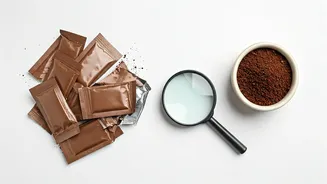
Authorities dismantled two illicit manufacturing hubs, confiscating over 1 lakh fake sachets of an antacid brand and an astounding 50,000 imitation coffee packets. This recent crackdown underscores a persistent challenge within India's food industry: the proliferation of fake and adulterated items that pose serious health risks to unsuspecting consumers. The scale of the seized materials, including filling machinery and packaging supplies, suggests a well-established operation geared towards widespread distribution. Investigations are ongoing, with the apprehended individuals assisting authorities in understanding the full scope of this illicit trade.
The Realities of Fake Coffee
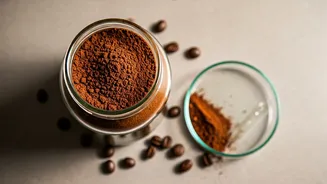
The issue of counterfeit coffee is a global concern, but it has a notable impact on the Indian market. High consumer demand coupled with fluctuating prices creates a lucrative environment for those who seek to profit by introducing cheaper, often harmful, substitutes. While international markets might see coffee adulterated with ingredients like soybeans or corn, and in some alarming cases, dangerous substances, the Indian scenario frequently involves the addition of clay and chicory powder. Chicory, derived from the root of a flowering plant, shares a roasted, somewhat nutty flavour profile with coffee, making it a plausible, albeit deceptive, additive. This practice not only misleads consumers but also impacts the integrity of the coffee market and potentially the economy, with counterfeit products contributing to significant financial losses.
Simple Coffee Purity Tests
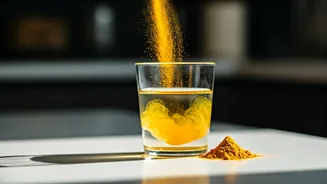
To combat the prevalence of adulterated coffee, the Food Safety and Standards Authority of India (FSSAI) has championed accessible methods for consumers to perform simple checks at home. These tests are designed to detect common adulterants like clay and chicory powder without requiring specialized equipment. The first test, focusing on clay detection, involves adding half a teaspoon of coffee powder to a glass of water and allowing it to settle for approximately five minutes. If sediment remains at the bottom, it indicates the presence of adulterants such as clay. The second test, aimed at identifying chicory powder, also uses a glass of water and half a teaspoon of coffee powder left to sit for five minutes. Genuine coffee will typically float on the surface and begin to dissolve gradually, whereas coffee adulterated with chicory might show faster dissolution and a different surface behaviour.
Consumer Vigilance is Key
Beyond these specific tests, FSSAI emphasizes the importance of overall consumer awareness and attentiveness when purchasing packaged food items. It is crucial for shoppers to meticulously examine product packaging for essential details such as expiry dates and valid licensing numbers before making a purchase. Furthermore, consumers are encouraged to trust their senses; any unusual taste or texture in a product should be treated as a red flag. Reporting such discrepancies to the nearest food safety authorities or designated food officers is vital for prompt action and investigation. Similarly, for products like antacids, any peculiar smell or altered taste warrants immediate reporting to consumer forums and relevant authorities to ensure public safety and maintain product integrity.