







Initial Body Reactions
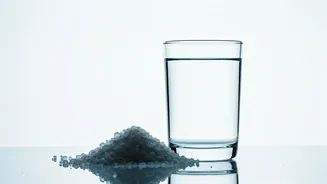
When salt water is ingested on an empty stomach, the body undergoes several immediate responses. The sodium concentration in the blood increases, prompting
the kidneys to work harder to filter and reabsorb water. This can lead to increased thirst, as the body strives to maintain fluid balance. The digestive system might also react, potentially causing nausea or stomach discomfort, especially if the salt concentration is high. Over time, the body adjusts to this influx, but the initial phase can be quite challenging.
Electrolyte Imbalance Risk
One of the key risks of prolonged salt water consumption on an empty stomach is the potential for electrolyte imbalance. Electrolytes, such as sodium, potassium, and chloride, are crucial for nerve and muscle function, as well as maintaining fluid balance. Consuming too much salt can disrupt this balance, leading to symptoms like muscle cramps, weakness, and, in severe cases, more serious cardiac issues. The body's ability to regulate these electrolytes is finite, and excessive salt intake can overwhelm these mechanisms.
Impact on Digestion
The digestive system may also experience several changes. The high salt content can draw water into the intestines, potentially causing diarrhea. Furthermore, consistent salt intake could irritate the stomach lining, leading to gastritis or other digestive issues. While some proponents suggest salt water can aid in detoxification, the harsh reality is that it can disrupt the natural processes of digestion and nutrient absorption. The gut microbiome, essential for overall health, could also be negatively affected.
Kidney Function Concerns
The kidneys play a crucial role in filtering excess salt from the bloodstream. When you drink salt water regularly, the kidneys have to work overtime, which increases the risk of kidney damage over the long term. Initially, the kidneys might cope with the increased workload, but prolonged stress can impair their function. Moreover, excessive salt intake can elevate blood pressure, putting additional strain on both the kidneys and the cardiovascular system. Anyone with existing kidney problems should avoid this practice entirely.
Hydration Paradox
Contrary to the belief that salt water hydrates, it can actually have the opposite effect. Salt pulls water out of the cells, causing dehydration rather than hydration. The body struggles to absorb the water due to the high salt concentration, which can lead to increased urination and further fluid loss. Effective hydration requires a balance of electrolytes and water, and consuming excessive salt disrupts this balance. Staying properly hydrated is vital for overall health.
Nutrient Absorption Interference
Drinking salt water on an empty stomach may also interfere with the body's ability to absorb essential nutrients. The excessive salt can compete with other minerals for absorption in the intestines, potentially leading to deficiencies. For instance, high sodium levels can hinder the absorption of calcium, which is vital for bone health. A well-balanced diet is essential, and excessive salt intake can disrupt this balance, leading to various health issues.
Blood Pressure Effects
Consistent salt water intake can significantly elevate blood pressure. High sodium levels cause the body to retain water, increasing the volume of blood in the vessels and putting extra pressure on the arterial walls. This can increase the risk of hypertension, which, if left untreated, can lead to serious cardiovascular conditions like heart disease and stroke. Monitoring blood pressure and limiting salt intake are fundamental for maintaining cardiovascular health.
Potential Short-Term Effects
Short-term effects of drinking salt water on an empty stomach can include nausea, bloating, and stomach discomfort. The high salt concentration can irritate the digestive tract, resulting in these unpleasant symptoms. Additionally, the body's rapid fluid shifts can lead to headaches and feelings of fatigue. While some people may initially experience a temporary feeling of detoxification, these short-term effects outweigh any perceived benefits.
Long-Term Considerations
Long-term consumption of salt water on an empty stomach introduces greater health risks. Prolonged high sodium intake can damage the kidneys, leading to chronic kidney disease. The consistent strain on the cardiovascular system can contribute to heart disease. Disruption of electrolyte balance and nutrient absorption can result in numerous health complications. Therefore, it is important to carefully evaluate any potential health benefit against the possible negative impacts of such a practice.
Seeking Professional Advice
Before trying something like drinking salt water on an empty stomach, it is always a good idea to seek advice from a medical expert or a qualified healthcare professional. They can evaluate individual health conditions, offer tailored recommendations, and assess potential risks. They can help avoid any negative impacts and suggest safer alternatives to promote health and well-being. Proper health advice should be prioritized over unverified health trends.