




When Eid Arrives
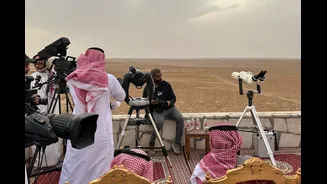
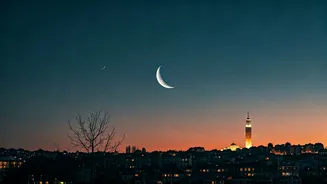
The observance of Eid-ul-Fitr in 2026, marking the end of the holy month of Ramadan, is anticipated to fall on either March 20th or March 21st. This fluctuation
in dates is an intrinsic characteristic of the Islamic Hijri calendar, which operates on lunar cycles and is approximately 10 to 11 days shorter than the Gregorian calendar. Consequently, major Islamic festivals like Ramadan and Eid advance each year. For instance, while Eid might be in March in 2026, it will naturally occur earlier in the subsequent years, potentially in February. A critical factor influencing the precise date is the sighting of the Shawwal crescent moon. Geographical variations play a significant role, with some countries, such as Saudi Arabia, often observing the moon a day earlier than others, including India, Pakistan, and Bangladesh, who might celebrate on the following day due to their distinct geographical positions. This reliance on actual moon sighting, rather than purely astronomical calculation, underscores a long-standing prophetic tradition and adds a communal, spiritual dimension as communities await official pronouncements from religious authorities.
Meaning and Significance
Eid-ul-Fitr, a name that beautifully encapsulates its essence, translates to "Festival of Breaking the Fast." 'Eid' signifies a festival or celebration, while 'Fitr' refers to the act of breaking one's fast. In many parts of South Asia, it's affectionately known as 'Meethi Eid,' or the 'Sweet Festival,' a testament to the delightful array of traditional desserts prepared, with sheer khurma—a rich milk-based vermicelli dish—alongside dates and other sweet delicacies taking center stage. At its core, Eid-ul-Fitr is a profound expression of gratitude to the Almighty for the strength and resilience shown throughout the month of Ramadan, and for the myriad blessings bestowed upon individuals. It serves as a poignant reminder of the virtues cultivated during the 30 days of fasting: the development of patience, the practice of humility, and a deepened sense of compassion for those less fortunate. Ramadan itself is a transformative period of self-discipline, observed through abstaining from food and drink from dawn to dusk, fostering spiritual growth through prayer, contemplation, and acts of kindness. Eid, therefore, is the culmination—a reward and a renewal, offering an opportunity to carry forward these invaluable lessons into daily life and to reconnect with one's faith, family, and community amidst the demands of modern living.
Celebrating Eid
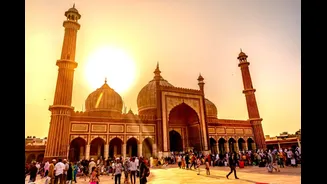
The celebration of Eid-ul-Fitr is a vibrant tapestry woven with family reunions, joyous feasting, and heartfelt bonding. Homes are adorned with festive decorations, and kitchens bustle with the preparation of abundant meals. In India, the days leading up to Eid are marked by lively bazaars, where shoppers enthusiastically procure new clothes, gifts, and culinary ingredients to imbue the festivities with an air of opulence. While traditional dishes vary regionally, meat-based delicacies and an assortment of sweets are invariably central to the celebratory spread. A particularly cherished aspect for younger generations is 'Eidi,' the practice of elders bestowing gifts or money upon children as a token of blessing and affection. The day's observances commence with the special congregational prayer known as Salat al-Eid, offered either in mosques or in open grounds. A significant pre-prayer obligation is the donation of Zakat al-Fitr (Zakah), a charitable act ensuring that those facing financial hardship can also partake in the joy of the festival. It is customary to rise early, don new attire, wear perfumes, and attend these prayers. The day is filled with warm greetings exchanged with the phrase "Eid Mubarak," signifying "Blessed Eid," fostering a spirit of universal joy and togetherness.
Historical Roots
The origins of Eid-ul-Fitr trace back to the 7th century, during the time of Prophet Muhammad. Islamic tradition recounts that the Prophet introduced this festival after observing the local inhabitants of Medina engaging in certain celebratory practices. He subsequently established Eid-ul-Fitr and Eid-ul-Adha as two paramount Islamic festivals, emphasizing their foundation in gratitude and devotion rather than mere revelry. The festival is intrinsically linked to the conclusion of Ramadan, a month that commemorates the very first revelation of the Quran to Prophet Muhammad. Therefore, Eid-ul-Fitr transcends being simply a cultural event; it represents a profoundly spiritual juncture, symbolizing the successful completion of a rigorous month characterized by discipline, self-restraint, and devotion. This historical grounding imbues the festival with a deep sense of religious significance, connecting contemporary celebrations to the foundational moments of Islamic history and practice.
Global Observance and Local Flair
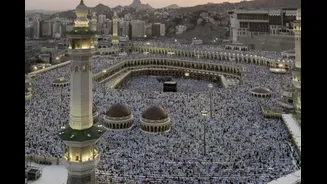
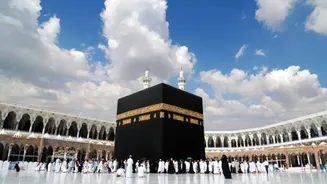
Muslims worldwide observe Eid-ul-Fitr, cementing its status as one of the most widely celebrated religious festivals globally. While the core rituals remain consistent, the cultural expressions of the festival exhibit remarkable diversity across different countries. In the Middle East, large-scale communal prayers and public festivities are a hallmark of the celebrations. Southeast Asia distinguishes itself with colorful traditions and unique local cuisines that define its Eid celebrations. In Western countries, gatherings often take place in community centers and mosques, reflecting the multicultural fabric of the global Muslim population. Despite these varied customs, the underlying spirit of Eid remains universally recognized: a profound sense of thankfulness, abundant joy, and a deep appreciation for togetherness. This shared essence underscores the unifying power of the festival, transcending geographical and cultural boundaries.