





Fat: More Than Storage
For a long time, adipose tissue, commonly known as fat, was viewed as a mere passive reservoir for excess calories. However, recent scientific insights
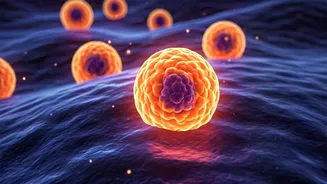
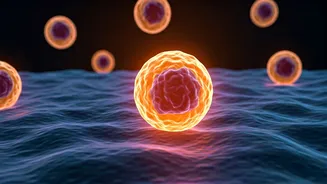
reveal this perspective to be fundamentally incomplete. While white fat, the predominant type in adults, does indeed store energy as triglycerides, it also performs crucial functions. It acts as a significant endocrine organ, secreting hormones like leptin that help regulate appetite and adiponectin, which plays a role in managing insulin sensitivity and blood sugar levels. Furthermore, white fat provides essential cushioning for internal organs, acts as an insulator to prevent heat loss, and serves as a metabolic buffer, safely housing surplus lipids that could otherwise accumulate in the liver or muscles. When white adipose cells expand in a healthy, adaptable manner, they contribute to bodily well-being. Conversely, when they become inflamed or dysfunctional, they can lead to issues such as insulin resistance, fatty liver disease, and an increased risk of cardiovascular problems. Obesity develops from both the enlargement of these cells and an increase in their overall number. Therefore, fat itself isn't inherently detrimental; its health implications are contingent upon the size of the adipose cells and their functional capacity. In some instances, increasing the generation of new fat cells can offer a protective benefit.
Brown Fat: The Calorie Furnace
In contrast to white fat, a distinct type known as brown adipose tissue is specifically designed for energy expenditure. These brown fat cells are densely packed with mitochondria, the powerhouses of cells, and possess a unique protein called UCP1. This protein enables them to convert chemical energy directly into heat, effectively dissipating calories rather than storing them. In infants, brown fat is vital for maintaining body temperature, and for years, it was believed to diminish significantly in adulthood. However, advanced imaging techniques in the late 2000s revealed that many adults retain significant amounts of brown fat, particularly in areas like the neck and upper chest. Exposure to cold temperatures naturally prompts the brain to activate these brown fat cells, stimulating them to generate heat. This process of thermogenesis leads to increased energy expenditure and, consequently, higher calorie burning. The potential to harness this thermogenic capacity for obesity treatment is a significant area of research. However, a critical challenge lies in the body's regulatory mechanisms; when energy expenditure rises, the body often attempts to compensate by increasing appetite. Studies in animals and observations in humans have indicated that cold exposure not only activates brown fat but also stimulates hunger. The brain senses the elevated energy demand and signals for greater food intake. From an evolutionary standpoint, this response is logical, as our ancestors in cold environments required more fuel for survival. A system that didn't replenish calories burned for warmth would have been detrimental. This intricate feedback loop is a powerful factor contributing to the difficulty in sustaining weight loss and highlights why simply increasing energy expenditure might not be sufficient on its own. However, when combined with medications that suppress appetite, such as GLP-1 drugs, promoting energy expenditure through avenues like brown fat activation could lead to significantly more potent weight loss therapies.
Beige Fat: Adapting Cells
Adding further layers to the complex role of fat in weight management are beige fat cells. These cells emerge within white fat depots under specific environmental cues, such as exposure to cold or certain hormonal signals, and acquire some of the heat-generating capabilities characteristic of brown fat. This phenomenon, often referred to as 'browning,' underscores a crucial revelation: fat is not a static entity. It exhibits remarkable metabolic plasticity, demonstrating the capacity to generate new adipocytes with diverse properties. This inherent flexibility opens up intriguing therapeutic possibilities, moving beyond simply reducing fat mass to potentially reprogramming it into a more metabolically active form. Researchers are actively exploring methods to safely augment the heat-producing capacity of fat cells, aiming to boost energy expenditure without solely relying on environmental cold. Brown and beige fat are particularly attractive targets due to their specialized nature for heat production, making them a prime focus for developing therapies to combat metabolic disorders. It's important to note that fat isn't the sole contributor to energy consumption or heat generation in the body, especially in cold conditions. Skeletal muscle accounts for a substantial portion of daily energy expenditure, particularly during physical activity. The liver also continuously performs numerous metabolic processes, and even seemingly minor activities, such as repeated cycles of molecule synthesis and breakdown, consume energy and generate heat. The future of weight management may involve a strategic, multi-tissue approach to carefully enhance energy flux. The primary hurdle in developing such interventions is achieving this without triggering compensatory hunger signals or unintended adverse effects. Any intervention that significantly elevates metabolic demand runs the risk of being interpreted by the brain as a survival threat. Therefore, a balanced strategy that addresses both energy intake and expenditure is paramount for achieving sustainable metabolic improvements.
A Two-Pronged Strategy
The remarkable success of GLP-1 receptor agonist medications has conclusively demonstrated that manipulating appetite pathways can effectively overcome some of the body's natural resistance to weight loss. The next wave of therapeutic advancements is poised to build upon this foundational understanding. One promising avenue involves integrating medications that regulate appetite with interventions designed to enhance energy expenditure. By addressing both sides of the energy balance equation—intake and output—it may become feasible to achieve more robust and lasting metabolic improvements. Equally vital is the need to reframe the public perception surrounding fat. Instead of viewing it solely as an adversary to be eradicated, we must recognize it as a dynamic, multifaceted organ that plays critical roles in protection, communication, adaptation, and, under the right conditions, energy expenditure. Embracing this complexity moves us away from overly simplistic notions of weight regulation. It also illuminates a future where therapeutic interventions are not exclusively focused on restricting caloric intake but rather on strategically activating and utilizing the body's innate metabolic machinery. The era of sophisticated appetite control has firmly begun, and it is highly probable that the era of precision energy expenditure enhancement will follow closely, ushering in a new paradigm in metabolic health.