



Shaving: A Superficial Fix
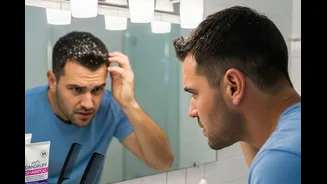
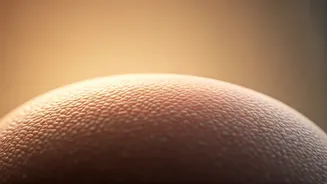
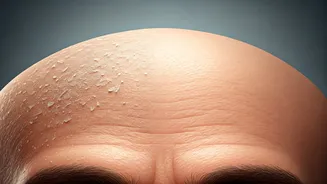
The idea that shaving your head can eradicate dandruff is a widespread misconception that lacks scientific backing. While removing hair might make flakes
less noticeable or easier to wash away, this effect is purely cosmetic. Dandruff originates from the scalp itself, not the hair, and shaving doesn't address the biological processes causing the flaking. Dermatologists explain that the underlying condition remains active beneath the skin even after hair removal. This means any perceived improvement is temporary, and the root cause of dandruff is left untreated, leading to its eventual reappearance. The flakes are a symptom of scalp issues, and simply removing the visible hair doesn't tackle the source of the problem.
Root Causes of Flakes
Dandruff emerges when your scalp exhibits a reaction to the natural oils and yeast present, triggering irritation and an accelerated shedding of skin cells. Several elements can amplify this condition, including shifts in weather, personal stress levels, inherent genetic predispositions, and the general sensitivity of your skin. As experts clarify, the act of shaving does not diminish the activity of oil glands, nor does it inhibit the proliferation of yeast, nor does it soothe the inflammation. Consequently, dandruff often resurfaces even after a complete head shave, highlighting the ineffectiveness of hair removal as a cure.
Potential for Worsening
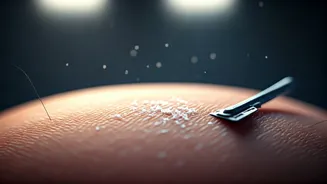
Contrary to popular belief, shaving might inadvertently exacerbate dandruff. Exposing the scalp directly to environmental factors like intense sunlight, airborne pollutants, and even harsh grooming products can lead to adverse reactions. Furthermore, minor nicks or irritation from shaving can compromise the scalp's natural protective barrier. This weakening can result in increased dryness, persistent itching, and noticeable redness. When this vital barrier is impaired, it becomes significantly more challenging for the scalp to maintain a healthy equilibrium of its natural microorganisms, a crucial factor in preventing flaking and discomfort.
Effective Long-Term Solutions
Instead of resorting to drastic measures like shaving, dermatologists emphasize the importance of consistent and appropriate care. The most effective strategy for managing dandruff in the long run involves the regular use of medicated anti-dandruff shampoos. These specialized formulations are designed to effectively control yeast overgrowth, reduce scalp inflammation, and alleviate flaking. It's crucial to continue using these shampoos even if your hair is very short or completely shaved. Allowing the shampoo to sit on the scalp for a short duration before rinsing significantly boosts its effectiveness. Additional advice includes avoiding over-washing with harsh soaps, shielding the scalp from direct sun exposure, and actively managing stress levels.