






Clean Fuel Investment Needs
The WEF has emphasized that the world is significantly behind in its investment in clean fuels. Current efforts require an investment four times greater
than what is currently allocated to meet existing climate objectives. This highlights a substantial funding gap that must be addressed to ensure sustainable energy transitions. The necessity for clean fuel investment is evident from current climate projections that reveal the inadequacy of existing resource allocation, urging governments and private sectors to align financial strategies with environmental sustainability goals. This call for increased investments is critical because it will support advancements in green technology and promote the adoption of clean energy on a wider scale, crucial for lessening the impact of climate change.
AI's Capital Reallocation Impact
Cathy Li from the WEF points out that the investment of $600 billion in Artificial Intelligence represents the fastest large-scale capital reallocation in recent times. This unprecedented shift signifies a fundamental change in how resources are being distributed globally. This rapid reallocation emphasizes the transformative power of AI technologies, which have caused massive influxes of funding in a short time. This influx of capital has the potential to reshape industries, create new economic opportunities, and drive innovation. However, it also raises important questions about the distribution of wealth, the availability of funding to other essential sectors, and the necessity to adapt to a digital economic landscape.
Geopolitical Tensions at Davos
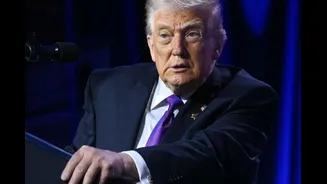
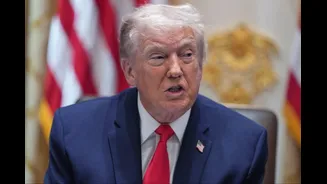
The WEF President mentioned that Trump's Greenland tariff initiative set the stage for difficult dialogues at Davos. Such diplomatic maneuvers reflect the complex interaction of economic and political elements in international relations. Trade wars and geopolitical friction, influenced by decisions like these, can bring volatility to the market and require businesses and policymakers to adjust to sudden shifts in the global environment. The Davos forum is thus expected to become an important platform for addressing complex concerns and promoting cooperation in the face of escalating conflicts.
Silver's Market Surge
The price of silver on the MCX reached a record of ₹3 lakh per kg, driven by increasing geopolitical uncertainties. This climb suggests that investors are turning to safe-haven assets amidst economic and political instability. The rise in silver prices also reflects the effect of global tensions, which leads to increased interest in precious metals. Such fluctuations provide crucial insights into how geopolitical risks affect financial markets and investor decision-making.
AI & Wealth Disparities
There are concerns that AI is making the global wealth gap worse. This development calls attention to the importance of inclusive AI policies that prevent economic disparity. The increasing dominance of AI in various industries raises questions about how the wealth it generates is distributed. Policymakers and industry leaders must explore methods to ensure that technological advancements benefit all members of society, not just a privileged few.
Global Health Shortfalls
Global health faces a $200 billion funding deficit, worsened by the reduced commitment of the US. This funding gap calls for innovative financing solutions to sustain and enhance global health initiatives. AI is seen as a potential lifeline in this difficult setting, possibly helping to make healthcare resources more efficient and accessible. The combination of monetary constraints and technological advancements shows the need for novel strategies to guarantee global health security and provide healthcare solutions during difficult times.