





The Penny Tile Phenomenon
For over 150 years, penny tiles have been a go-to choice in home design, appearing in everything from vintage apartment vestibules and rustic farmhouse
bathrooms to practical kitchen backsplashes. These charming, small, circular tiles, typically measuring no more than an inch in diameter, gained their name from their resemblance to a US penny. They are most commonly found in porcelain, often in a classic white with dark grout combination that evokes a retro feel, but also come in black with white grout, as well as ceramic and glass varieties. Modern installations usually involve these small mosaics being pre-assembled onto 12" x 12" mesh sheets, simplifying the installation process. Their enduring appeal stems from their perceived durability and a timeless style that has seen them integrated into a wide array of spaces, from high-traffic restaurant bar areas to functional mudrooms. Despite their long history and widespread use, the practicality and aesthetic longevity of penny tiles are now being re-evaluated by design professionals.
Grout Woes & Foot Feels
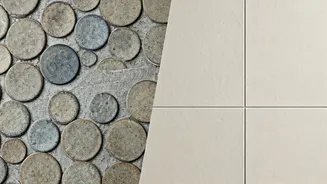
While the classic look of penny tiles is undeniable, design experts are highlighting significant practical drawbacks that make them less desirable for contemporary interiors. The primary concern revolves around the sheer volume of grout lines inherent in this small mosaic pattern. With a standard 12" x 12" sheet of penny tile, there are an estimated three times more grout joints compared to a large-format tile. This abundance of grout not only makes installation more labor-intensive but also creates a cleaning challenge. Grout, especially when porous, is susceptible to absorbing moisture, which can lead to staining over time, particularly in wet environments like bathrooms and entryways. Furthermore, the textured surface of penny tile floors can feel uneven and not entirely smooth underfoot, a sensation that many find less comfortable for bare feet. Even using darker grout to camouflage stains doesn't fully mask the inevitable wear and tear that can make the tile appear prematurely aged or poorly maintained.
Sleek Alternatives Emerge
In response to the challenges posed by penny tiles, interior designers are championing large-format tiles as the superior alternative for a modern, streamlined aesthetic. These larger tiles, such as a 12" x 24" format, significantly reduce the number of grout lines, creating a more seamless and cohesive appearance. This not only contributes to a clean, monolithic look that designers deem timeless and intentional rather than trendy, but also simplifies maintenance. When installed with minimal grout lines, as narrow as 1/16" of an inch, the surface area prone to collecting dirt is drastically decreased, extending the time between deep cleans and helping the tile maintain its pristine look for longer. Designers also emphasize selecting matte finishes, which offer enhanced slip resistance, making them ideal for moisture-prone areas like bathrooms, mudrooms, and entryways. This combination of larger size, fewer grout lines, and a practical matte surface provides a sophisticated, clean, and easily maintainable finish that aligns with current design preferences.