
The Foundation: Heating Milk
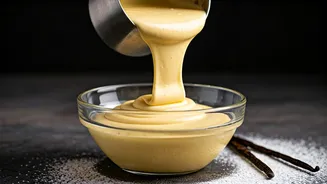
The journey to perfect pastry cream begins with gently heating the milk. This crucial first step involves combining milk with sugar and vanilla, allowing
the sugar to fully dissolve and the vanilla to release its aromatic essence. It's imperative to maintain a temperature just below a full boil, as vigorous boiling can lead to scorching and a compromised flavor profile. This careful heating ensures the base for our custard is smooth and infused with delicate vanilla notes, setting the stage for the subsequent steps.
Crafting the Yolk Mixture
Simultaneously, a separate mixture is prepared by whisking together egg yolks, sugar, cornstarch, and a pinch of salt in a large bowl. This thorough whisking ensures that the cornstarch is evenly distributed, preventing any lumps from forming. The sugar not only sweetens but also aids in creating a smooth emulsion with the yolks and starch. This step is fundamental for achieving a consistently thickened custard without any grainy texture, laying the groundwork for a velvety final product.
The Art of Tempering
Tempering the egg yolks with the hot milk is a critical technique to prevent the eggs from scrambling. This involves gradually introducing a small amount of the hot milk into the egg mixture while whisking continuously. This slow process gently raises the temperature of the yolks. Once partially warmed, the tempered egg mixture can be more safely combined with the remaining hot milk, ensuring a smooth integration without the risk of cooked egg bits.
Cooking to Perfection
The combined mixture is then returned to the saucepan and cooked over medium heat, with constant whisking, until it thickens significantly and large bubbles appear. Continuing to cook for an additional 1 to 2 minutes is vital to ensure the cornstarch is fully gelatinized, achieving a stable texture. The target temperature range is between 190°F and 200°F (88°C to 93°C), which guarantees the starch sets properly. Continuous whisking is key to prevent scorching on the bottom of the pan.
Ingredient Science Explained
The science behind a stable pastry cream lies in managing enzyme activity and starch gelatinization. Egg yolks contain alpha-amylase, an enzyme that can break down starch over time, leading to a thinner custard. Heating the cream to at least 176°F (80°C) effectively deactivates this enzyme. Cooking the starch to the recommended 190-200°F ensures its full swelling, creating a robust network that provides structure. A touch of salt can assist in deactivating the enzyme, while sugar acts as a stabilizer, ensuring the pastry cream remains thick and consistent even after cooling.
Achieving Silky Smoothness
For an exceptionally smooth finish, the hot pastry cream is passed through a fine-mesh sieve. This optional but recommended step effectively removes any tiny lumps or bits of vanilla bean, ensuring a consistently creamy texture. While straining might slightly reduce firmness, the difference is negligible once the cream is stirred before use. This final filtering step guarantees a luxurious mouthfeel and a professional polish to the custard.
Enrichment and Flavor Infusion
Once strained, unsalted butter and vanilla extract are whisked into the warm pastry cream off the heat. This addition enriches the custard, adding a luxurious mouthfeel and enhancing the overall flavor profile. Incorporating the butter at this stage prevents it from separating and ensures a glossy, smooth finish. The vanilla extract provides a potent burst of flavor, complementing the subtle sweetness of the custard.
Rapid Cooling and Storage
To halt the cooking process and ensure a stable set, the pastry cream is rapidly cooled. Placing the bowl over an ice bath helps to quickly lower its temperature. Critically, plastic wrap is pressed directly onto the surface of the cream to prevent a skin from forming as it cools. After initial cooling, it should be chilled in the refrigerator for at least 2 hours, allowing the starch network to fully set and thicken.
Versatile Culinary Uses
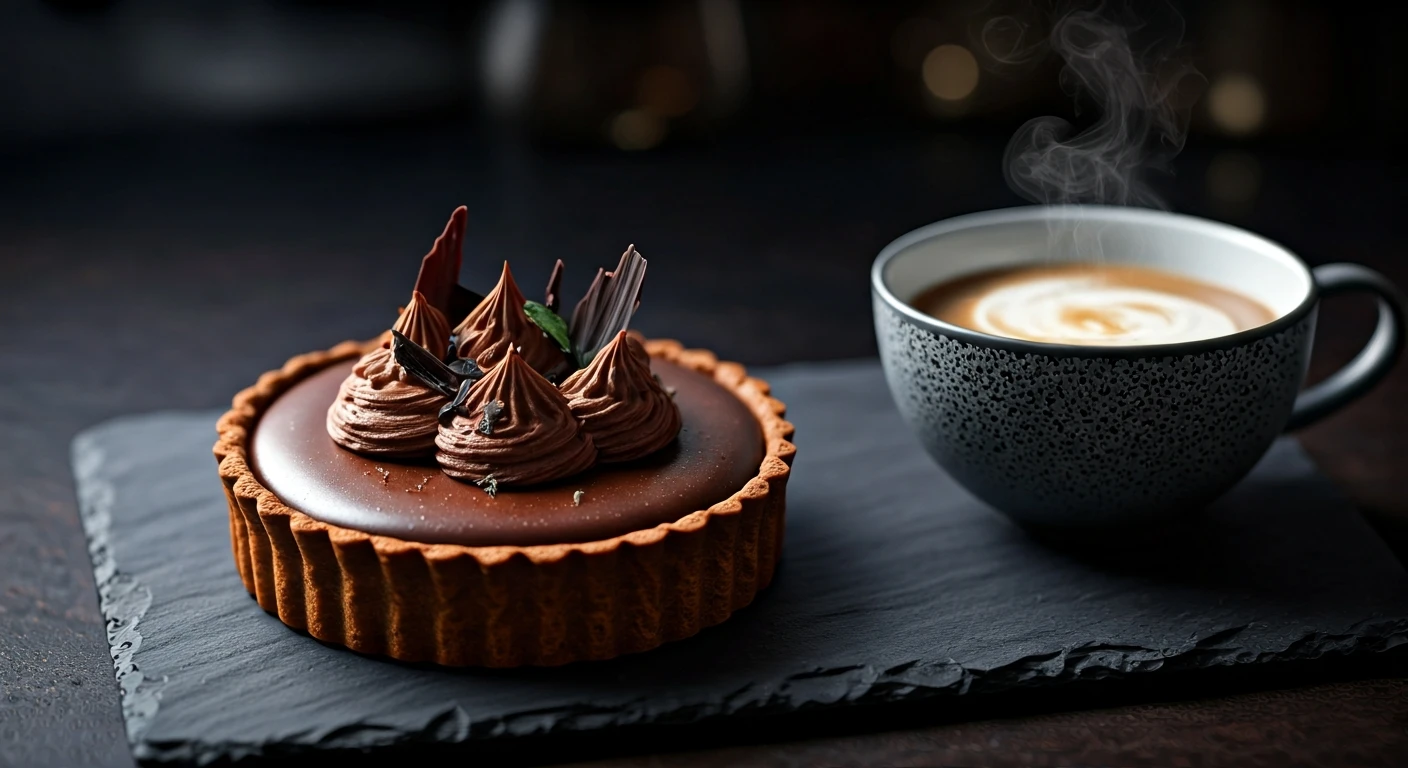
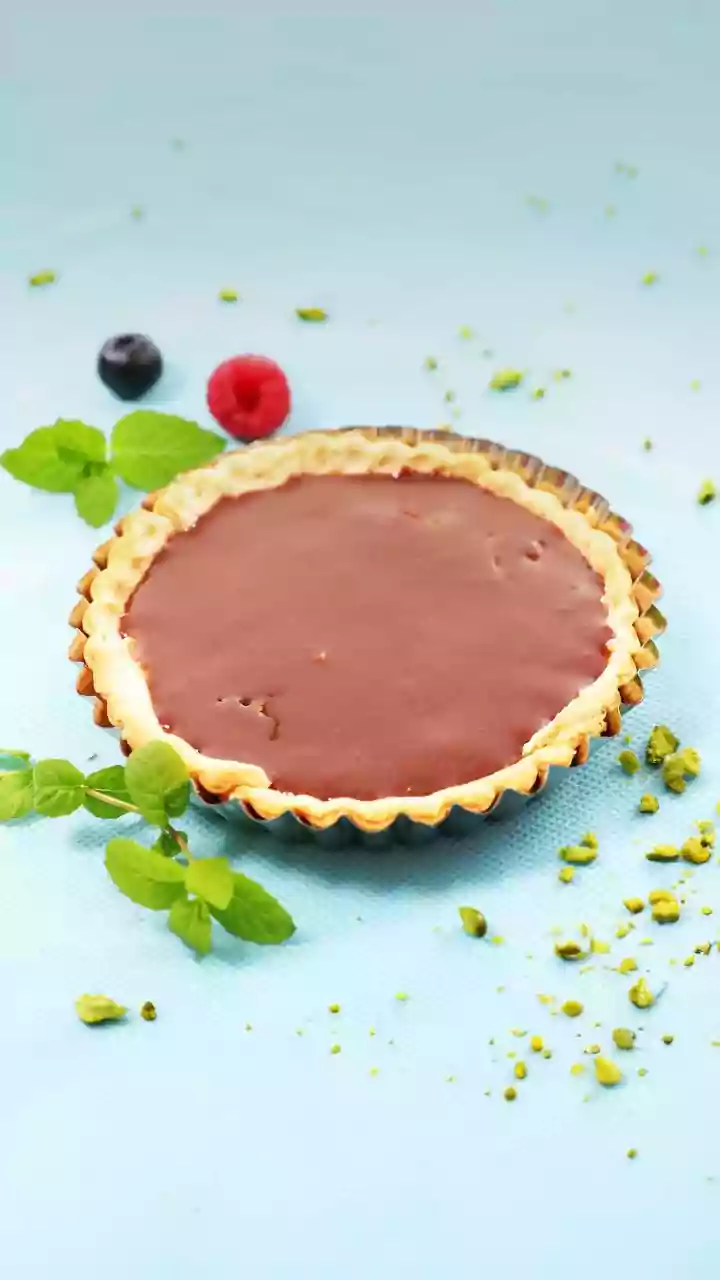
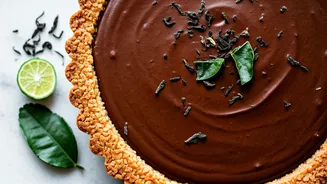
Once chilled and thickened, pastry cream becomes a versatile filling for a myriad of desserts. It is ideal for tarts, éclairs, cream puffs, and layered cakes. For different flavor profiles and textures, it can be combined with other ingredients. Mixing it with lemon curd creates a tangy lemon pastry cream, while incorporating softened butter yields crème mousseline. Adding whipped cream results in crème légère, and stabilized whipped cream creates a lighter diplomat cream, showcasing its adaptability in pastry making.