


Journey Through Cape Breton
The Cabot Trail, a celebrated 185-mile loop on Cape Breton Island in Nova Scotia, offers an unparalleled scenic driving experience. This route is deeply
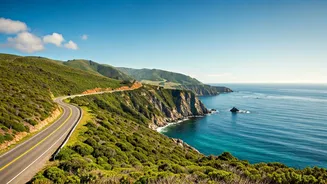
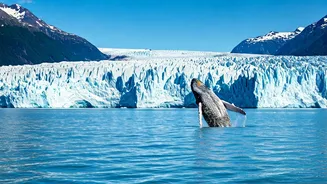
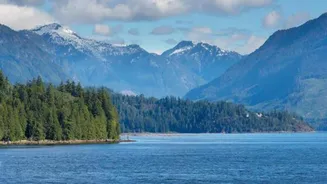
intertwined with the island's extensive history, having been inhabited for millennia by the Mi’kmaq First Nation before European settlers, notably the French and later the British, arrived. The region's identity is a vibrant fusion of Indigenous, Acadian, and Scottish influences, stemming from significant Scottish immigration in the late 18th and early 19th centuries. Established in 1932, the Cabot Trail was designed to connect these diverse communities and highlight the island's natural splendor. A significant portion, one-third of the trail, meanders through the magnificent Cape Breton Highlands National Park, a sanctuary of rugged terrain, abundant wildlife like moose, and numerous hiking trails. Along the drive, numerous lookouts provide spectacular vantage points of dramatic cliffs and the expansive ocean, with occasional opportunities to spot whales.
Explore Natural Wonders
The Cabot Trail is a hiker's paradise, offering access to some of the most picturesque coastal landscapes along the Atlantic. Cape Breton Highlands National Park alone features 26 distinct trails, with the Skyline Trail being a premier choice. This five-mile loop is famous for its viewing decks that provide chances to see whales in the Gulf of St. Lawrence. Visitors should be mindful of wildlife, as this area is home to bears and moose, and always follow park safety guidelines. Another excellent option within the park is the Franey Trail, which offers views of seals, whales, and eagles. A short detour from the northern end of the Cabot Trail leads to Meat Cove. While the hike is under 2.5 miles, it presents a challenging ascent but rewards trekkers with panoramic views of rugged cliffs, verdant valleys, and the vast ocean. Near Baddeck, Mary Ann Falls beckons with a gentle, one-mile trail leading to a striking 50-foot waterfall, perfect for a less strenuous natural excursion.
Tee Off with Views
For golf enthusiasts, the Cabot Trail presents a selection of seven courses, each offering spectacular scenery, making even a visit to the clubhouse for a drink a rewarding experience. Cabot Cliffs and Cabot Links, situated a short distance from the Margarees area, have earned widespread acclaim for their exceptional design and breathtaking views. If time is limited, The Nest provides an engaging 11-hole, par-3 experience perched above Cabot Cliffs. Within the national park, Highland Links, established in 1941, is recognized as one of Canada's finest golf courses. A true hidden gem is the Inverness Golf Club, a community-managed course nestled against a forest backdrop with captivating views of the Gulf of St. Lawrence, offering a more tranquil golfing atmosphere.
Immerse in History
Delve into the rich history of the region through various engaging experiences. In Baddeck, the Alexander Graham Bell National Historic Site offers an in-depth look at the inventor's diverse contributions beyond the telephone, including his pioneering work in aviation and hydrofoils, often available via guided tours. A detour towards Sydney, Nova Scotia, reveals the island's Indigenous and settler past. The Membertou Heritage Park provides an authentic Mi’kmaq-led guided tour, offering insights into the culture of the island's original inhabitants. Further exploration can lead to the Fortress of Louisbourg National Historic Site, a remarkable reconstruction of a French colonial town that stands as North America's largest historical site. This immersive experience highlights the convergence of Mi’kmaq, European, and African histories in the region.
Experience Local Cultures
The Cabot Trail is a vibrant showcase of Mi’kmaq, Gaelic, and Acadian heritage, offering numerous avenues for cultural immersion. The Membertou Heritage Park provides guided experiences focused on Mi’kmaq traditions, including medicinal plant walks and kayak tours on the scenic Bras d’Or Lake. In Iona, a brief drive from the trail, the Gaelic College serves as a living history museum set within a historic village. Here, visitors can learn basic Gaelic phrases and engage with traditional singing. The charming fishing village of Chéticamp on the west coast is a hub for Acadian culture; Les Trois Pignons is a dedicated center where one can explore Acadian heritage and even trace family roots at its genealogy center.
Meet Artisans and Makers
Discover the thriving local craft scene and find unique souvenirs by exploring the Cabot Trail Artists' Studio Tour. In St. Anns, MacLeod’s Kilt Shop offers the chance to see kilts crafted by master artisans. Englishtown hosts The Little Red Gallery, shared with The Lobster Shack in a converted church, showcasing a diverse range of Cape Breton artists' work; their hand-painted chocolates are artistic creations in themselves. Gallery 202 in Chéticamp is another excellent stop to admire the creations of local artists while enjoying a locally roasted coffee, providing a sensory and artistic treat for visitors.
Planning Your Visit
While the Cabot Trail is only 185 miles, a single afternoon drive would not do justice to the richness of the region. It is highly recommended to allocate two to three days for a comprehensive exploration, utilizing one or two towns as convenient bases. The trail forms a roughly circular route. For optimal scenic enjoyment, particularly if capturing coastal views is a priority, starting on the east side and proceeding counterclockwise is advisable. This orientation ensures that the ocean remains on your side for the duration of the drive, offering easier access to numerous lookouts and turn-off points to savor the breathtaking vistas.
Best Times to Visit
Cape Breton welcomes visitors year-round, with the period from May to October considered the prime season. The summer months are the busiest, offering a wealth of activities and attractions. Early autumn presents another ideal time to visit, renowned for its spectacular fall foliage as the landscape transforms with vibrant colors. Winter offers opportunities for snow-based recreation like skiing, snowmobiling, and snowshoeing, though fewer accommodations and dining options are available. Spring is particularly suited for hiking as nature awakens, waterfalls flow robustly, and the trails are less crowded, providing a more serene experience.
Local Stays and Tastes
The charming town of Baddeck, situated on the shores of Bras d’Or Lake, often serves as the beginning or end point for the Cabot Trail. Accommodation options include The Lakes resort, offering lake views and activities like kayaking. Local delights include Big Spruce Brewing, Atlantic Canada's sole on-farm organic craft brewery, and Baddeck Coffee Roasters for your caffeine fix. For seafood lovers, The Lobster Galley, open seasonally, is the place for fresh, locally harvested lobster, crab, and mussels. Ingonish, the gateway to Cape Breton Highlands National Park, provides access to coastal hikes and the historic Keltic Lodge, offering various seasonal activities. For dining, The Coastal offers craft beers and casual lunches, while The Lobster Deck is famed for its classic lobster rolls. The recently opened Cape Smokey Lodge & Villas (2025) provides luxury stays. Chéticamp, a west coast fishing village steeped in Acadian culture, offers picturesque stays at LaPointe Chalets. Culinary experiences range from the traditional baked goods at Au Coin du Feu bakery to the elevated pub fare with ocean views at The Doryman, and the intimate Acadian tasting menu at Table Doucet. The Margarees region, known for salmon fishing, features luxury cottages at The Meadow and farm-to-table dining at The Red Barn, with The Dancing Goat Cafe serving hearty breakfast and lunch options.