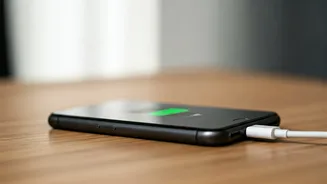








The 100% Myth
Charging a phone to 100% has become a standard practice for many, driven by the desire to maximize usage time. However, this habit may not be as beneficial
as it seems. Modern lithium-ion batteries, which power most smartphones, have a specific design that doesn't necessarily benefit from being constantly charged to full capacity. In fact, keeping the battery at 100% for extended periods can accelerate its degradation process. Battery health is often measured in terms of charge cycles; each time a battery goes from 0% to 100% (or a combination of partial cycles that equals 100%), it counts as a cycle. Constant topping off to 100% places extra stress on the battery, which contributes to quicker wear and tear. Therefore, while convenient, consistently charging to the max might shorten the battery's lifespan over time. The key is understanding how these batteries work to optimize charging habits for prolonged device health.
Con: Battery Degradation
One significant disadvantage of frequently charging to 100% is accelerated battery degradation. Lithium-ion batteries function best within a specific charge range, usually between 20% and 80%. When the battery is at 100%, it experiences higher internal stress due to the increased voltage. This stress leads to a phenomenon known as 'thermal runaway', where the battery generates more heat, which hastens the chemical breakdown of the battery's components. Over time, this degradation causes the battery to hold less charge, meaning the phone's run time decreases. Consistent full charging forces the battery to undergo more of these stress cycles, thus shortening its usable life. Ultimately, this can mean a shorter lifespan for the device before needing a replacement or repair, a considerable disadvantage for consumers looking for longevity from their electronics. It's often recommended to avoid leaving your phone plugged in at 100% for prolonged periods to mitigate this effect.
Con: Heat Generation
Another notable downside is the increased heat generated during 100% charging, especially when the phone is left plugged in after reaching full charge. Heat is a major enemy of lithium-ion batteries. When a phone is charging, especially quickly, the battery generates heat as a natural byproduct of the charging process. If the battery is constantly kept at 100% while connected to a charger, this heat can build up and lead to accelerated battery degradation. Extreme heat exposure can damage the battery's internal structure and reduce its capacity permanently. This thermal stress is why it's generally advised to avoid charging your phone in hot environments, like direct sunlight or enclosed spaces, and to unplug it once fully charged. Prolonged exposure to high temperatures diminishes a battery's performance and lifespan significantly. Regularly monitoring the phone's temperature during charging can also help ensure the device isn't overheating and causing potential damage.
Con: Reduced Battery Lifespan
The cumulative effects of stress from consistent 100% charging and heat exposure translate directly into a shortened battery lifespan. Lithium-ion batteries have a limited number of charge cycles. Each cycle of charging (from any percentage up to 100% and back) contributes to the battery's overall wear and tear. Constant charging to full capacity pushes the battery to its limits more often, diminishing the number of charge cycles it can handle over time. Overcharging also reduces the battery's ability to hold a charge efficiently. A battery experiencing degradation from constant 100% charging will show a significant drop in its ability to hold a charge, and the phone may need to be recharged more often. This directly impacts the usability and longevity of the phone. Consequently, those who frequently charge to 100% can expect to see their battery performance decline faster compared to users who adhere to charging practices that promote optimal battery health.
Con: Inconvenience
Although it may seem counterintuitive, frequently charging to 100% can sometimes create an inconvenience. The practice demands more frequent monitoring and intervention. To ensure the phone isn't kept plugged in after reaching 100%, users must keep a close eye on the charging status. This contrasts with the convenience of lower charging thresholds, where users might only need to charge the device overnight or when it is needed. The necessity of regular checks can be particularly bothersome for busy individuals. This inconvenience is especially noticeable when considering the possible need for multiple charging cycles daily to keep the phone at maximum capacity. This routine can become tedious and might make it less user-friendly overall compared to charging habits that allow for more flexible usage patterns, without the constant attention to battery status.
Pro: Maximum Usage
One significant advantage of charging to 100% is the assurance of maximum usage time. When the phone is fully charged, users can be confident that they can utilize all features and functionalities, from streaming video to running graphically demanding apps, without any immediate battery anxiety. For those who frequently travel or work in environments without easy access to charging outlets, maximizing the charge can be essential to maintain productivity and connectivity. This complete charge offers peace of mind, knowing the phone will last throughout the day or for a certain period. Moreover, for users planning to engage in activities like gaming or extensive video calls, full charging ensures continuous performance, without interruption. This becomes a practical advantage for users focused on getting the most out of their device at all times.
Pro: Peace of Mind
Charging to 100% can offer a degree of psychological comfort. Knowing the battery is at its peak capacity can alleviate any worry about sudden power depletion, especially in emergency situations or when away from a power source for extended periods. This 'peace of mind' is particularly important for individuals who rely on their phones for critical communication, such as professionals or those in urgent circumstances. Moreover, it prevents the constant need to monitor battery levels. This reduces any stress or anxiety related to battery life, and increases the overall user experience. This sense of confidence in the device’s capabilities can provide a significant benefit for users who value reliability and are often engaged in demanding daily activities requiring a fully charged device.