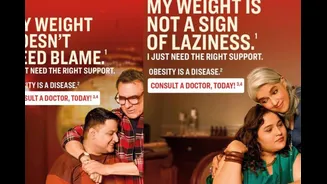








Regulator's Strict Stance
The Central Drugs Standard Control Organization (CDSCO) has issued a significant advisory, targeting pharmaceutical firms involved in the promotion of
prescription medicines, particularly those for obesity and metabolic conditions. The directive explicitly prohibits any form of direct or indirect public promotion, including surrogate advertisements. This measure is specifically aimed at GLP-1 receptor agonists, a class of drugs utilized for diabetes management and weight reduction. The regulator has made it clear that such promotional activities, if undertaken, will lead to regulatory action under the Drugs and Cosmetics Act, 1940, and the associated Drugs Rules, 1945. Manufacturers and importers are mandated to ensure that the entire lifecycle of their drug products—from production and sale to distribution and promotion—strictly adheres to their officially approved uses, labelling requirements, and all statutory provisions. The CDSCO has become aware of certain companies potentially engaging in promotional efforts linked to GLP-1 receptor agonists, which could manifest as disease awareness campaigns, digital outreach, or other communication strategies that subtly promote these prescription drugs to the general populace.
Understanding GLP-1 Drugs
GLP-1 receptor agonists are a sophisticated class of medications designed to mimic a naturally occurring hormone within the human body. This hormone plays a crucial role in regulating blood sugar levels, and its synthetic counterparts help in this regard. Beyond glucose control, these drugs also significantly slow down the digestive process, a mechanism that contributes to a feeling of fullness and reduced appetite. These combined effects make them valuable therapeutic options, often prescribed by medical professionals for individuals managing type-2 diabetes. Furthermore, their impact on appetite and metabolism has led to their use in medically supervised weight-loss programs. It's essential to recognize that these are potent prescription medications, and their use should always be guided by a qualified healthcare provider who will determine if they are appropriate for a patient's specific condition and align with the drug's approved therapeutic indications.
Prohibited Promotional Tactics
The CDSCO has strongly cautioned against any advertising that promotes prescription-only medicines directly to the public. Such promotions are deemed misleading if they make exaggerated claims about therapeutic benefits, guarantee specific weight-loss results, or create an artificial demand for these drug therapies. A significant concern highlighted is the tendency of some campaigns to downplay the vital role of lifestyle interventions, such as adopting a balanced diet, engaging in regular physical activity, and making behavioural changes, which are fundamental to managing obesity effectively. The organization emphasizes that obesity is a complex chronic metabolic condition requiring a holistic management approach that prioritizes lifestyle adjustments. Pharmaceutical treatments, even when medically necessary, should not be presented in a way that undermines broader public health initiatives focused on healthy eating, exercise, and preventive care. Promotional activities masquerading as 'awareness campaigns' but functioning as surrogate advertisements for prescription medications will be subject to serious scrutiny and classified as irrational or misleading marketing practices.
Compliance and Safety Measures
All manufacturers, importers, and holders of marketing authorizations are now under strict directives to ensure absolute compliance with regulatory provisions. This includes ensuring that prescribing information and patient-facing documents clearly state the details of authorized medical personnel and their office codes. Crucially, these documents must also feature a dedicated contact number and a mechanism for consumers to submit complaints or track queries, ensuring transparency and accountability. The CDSCO has also mandated that advertisements, encompassing all forms of surrogate promotions across print, electronic, digital, and social media platforms, are strictly forbidden when they target the public with prescription drugs. Furthermore, companies are required to submit comprehensive Risk Management Plans. These plans are vital for ensuring ongoing safety monitoring of their products and implementing appropriate measures to mitigate any identified risks. Adherence to these directives is considered paramount in safeguarding public interest and health.