
The Science of Sweetness
The magic behind a superior sweet tart crust lies in understanding how its ingredients work together. Using cold, unsalted butter is paramount; when it's
incorporated into the flour, it creates small pockets that melt during baking. This process limits the development of gluten, resulting in a crust that's wonderfully tender and shortbread-like, rather than tough. Chilling the dough is another critical step. It allows the butter to firm up and the gluten strands to relax, significantly reducing the chances of the crust shrinking during baking. Blind baking, a technique involving pre-baking the crust before adding the filling, is essential for achieving a crisp texture. This process allows moisture to escape, preventing a soggy bottom, and helps maintain a flat, even surface, especially when using pie weights to hold the shape.
Foundation of Flavor
A Pâte Sucrée, or sweet tart crust, serves as the quintessential base for a vast array of desserts. Its delicate sweetness and crisp, buttery texture make it the perfect counterpart to vibrant fruit toppings, smooth vanilla pastry cream, or rich chocolate ganache. Unlike the flakier texture of standard pie crust, this dough bakes into something more akin to a refined cookie, offering a sturdy yet tender structure. The simplicity of its ingredients and the precision in its preparation are key to its success. By controlling gluten development through cold butter and proper chilling, and managing moisture through techniques like blind baking, this recipe guarantees a crust that not only tastes divine but also holds its form beautifully in both full-sized and mini tart pans, making it a versatile go-to.
Essential Ingredients
Crafting a flawless sweet tart crust relies on a few fundamental components. All-purpose flour provides the necessary structure, its moderate protein content ensuring stability without toughening the dough. Powdered sugar is crucial for sweetness and contributes to a finer, more tender crumb than granulated sugar, lending that desirable shortbread-like quality. A touch of salt is indispensable; it enhances all the flavors and strikes a delightful balance with the sweetness. Cold unsalted butter is the star, its fat content creating those tender pockets that yield a crisp, melt-in-your-mouth texture. An egg is incorporated not just for binding but also to add richness and contribute to the overall structure once baked. Lastly, vanilla extract offers a subtle aromatic depth that complements a wide range of fillings.
Creative Ingredient Swaps
This sweet tart crust recipe offers delightful flexibility, allowing for personalized flavor profiles and textural variations. For a slightly different mouthfeel, you can substitute granulated sugar for powdered sugar; while it may result in a less delicate crumb, it offers a pleasant crunch. To introduce a nutty nuance and a softer texture, consider replacing up to a quarter cup of the all-purpose flour with almond flour. For those with dietary needs, gluten-free flour blends are an excellent alternative. When it comes to flavoring, the possibilities are extensive; swap vanilla extract for almond extract for a more pronounced nutty aroma, or incorporate citrus zest, such as lemon or orange, to impart a bright, refreshing note that pairs beautifully with fruit-based tarts. If using salted butter, simply omit the added salt in the recipe for a balanced flavor.
Step-by-Step Assembly
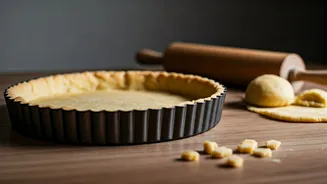
Creating your perfect tart crust begins with combining the dry ingredients—flour, powdered sugar, and salt—in a food processor for even distribution. Next, cold, unsalted butter is cut into the flour mixture until it resembles coarse sand, a key step to minimize gluten. Then, a whisked mixture of egg and vanilla extract is added, pulsed just until a dough forms, being careful not to overmix. The dough is shaped into a disk, wrapped, and chilled for at least an hour to firm the butter and relax gluten. Once slightly softened, it's rolled to about 1/8-inch thickness and gently eased into a tart pan, trimming any excess. The formed shell is then frozen for 30 minutes to prevent shrinkage. It's then prepared for blind baking by lining with parchment and filling with pie weights, baking at 375°F (191°C) for 15 minutes, followed by an additional 5-10 minutes depending on whether a partially or fully baked crust is desired.
Cooling and Application
Once baked, the tart crust needs to cool completely on a wire rack. This cooling period is crucial; as the butter solidifies and starches set, the crust firms up and achieves its final crispness. Allowing air to circulate beneath the pan prevents steam from accumulating and softening the bottom. This versatile Pâte Sucrée is then ready to be filled. It serves as an ideal base for fresh fruit tarts, elegant custard-filled creations, or decadent chocolate ganache desserts. Whether you opt for a partially baked crust for fillings that will continue to cook in the oven, or a fully baked shell for no-bake delights, this crust provides a reliable and delicious foundation. Furthermore, baked tart shells can be stored at room temperature for up to 3 days, refrigerated for 5 days, or frozen for up to a month, making advance preparation simple.
Troubleshooting Tips
Ensuring a flawless tart crust often involves understanding common pitfalls. If your crust shrinks excessively, it’s likely due to insufficient chilling or overdeveloped gluten; always ensure the dough is well-chilled before and after shaping. For mini tarts, rolling the dough slightly thinner, around 1/16 to 1/8 inch, helps maintain its delicate, cookie-like character. Blind baking is essential to prevent bubbling and ensure a flat, crisp base; if you don't have pie weights, dried beans or rice are effective substitutes. An egg wash, applied after removing pie weights, can create a shiny finish and a moisture barrier for certain fillings, although it’s not always necessary for no-bake options. If you need to prevent a soggy bottom with very moist fillings, consider a thin layer of melted chocolate brushed onto the cooled crust.