





The Early Onset
The perception of hair loss has shifted dramatically; once a concern for later decades, it now significantly impacts individuals in their twenties and
thirties. This early onset manifests subtly, often starting with more hair on pillows or a noticeably thinner ponytail, before becoming a more apparent concern. While many initially attribute these changes to temporary factors like stress or seasonal shifts, a persistent reduction in hair density signals a deeper issue. This growing global concern is so pronounced that it has even prompted discussions about national health insurance coverage for treatments, highlighting that hair loss is no longer just a cosmetic issue but a significant factor affecting confidence and emotional well-being for many young adults.
Modern Triggers Unveiled
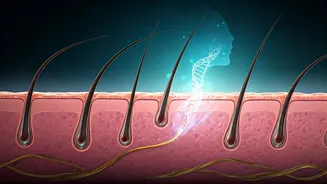
While genetics remain a primary contributor to hair loss, particularly through Androgenetic Alopecia (pattern hair loss), modern lifestyles are accelerating its appearance and severity. This inherited condition involves a sensitivity to DHT, a hormone that gradually diminishes hair follicles, leading to receding hairlines or thinning crowns in men and widened partings in women. However, the interconnectedness of daily life significantly amplifies these genetic predispositions. Chronic stress is a major culprit, pushing hair follicles into a resting phase prematurely and causing Telogen Effluvium, a condition where hair fall often begins months after the stressful event, making the connection difficult to trace. Furthermore, insufficient sleep, excessive screen time, demanding work schedules, emotional exhaustion, and irregular dietary habits all disrupt hormonal balance and compromise scalp health. For women, undiagnosed hormonal imbalances from conditions like PCOS or thyroid disorders are also common, often only identified through medical testing. Nutritional deficiencies, including low iron (ferritin), Vitamin D, insufficient protein, and the impact of fad diets, further weaken hair growth, a trend increasingly observed in young urban populations juggling demanding lives.
Evolving Treatment Landscape
The field of hair restoration has witnessed remarkable advancements, offering a broader and more sophisticated range of solutions than previously available. Conventional treatments like Minoxidil, in both topical and oral forms, continue to be a mainstay for improving blood flow to the scalp and potentially slowing thinning while encouraging new growth. For individuals experiencing hair loss linked to hormonal factors, prescription DHT blockers, used under strict medical guidance, may also be prescribed. The most significant evolution, however, lies in regenerative therapies. GFC (Growth Factor Concentrate) therapy is emerging as a powerful alternative to traditional Platelet-Rich Plasma (PRP), utilizing a more concentrated extract of growth factors from the patient's own blood to deliver potent stimulation to hair follicles, often resulting in enhanced density and reduced shedding. Regenera Activa offers a distinct approach by processing a small scalp tissue sample to isolate regenerative cells and growth factors, which are then injected into thinning areas, frequently requiring only a single treatment session. Exosome therapy is another groundbreaking development, leveraging tiny biological messengers to signal dormant follicles, reduce inflammation, and boost scalp circulation, with both human- and plant-derived exosomes showing promise, though careful selection of high-quality formulations from qualified professionals is paramount.
Innovative and Gentle Approaches
Beyond advanced regenerative techniques, the evolving landscape of hair loss solutions includes options designed for those who prefer non-invasive methods. Low-Level Laser Therapy (LLLT) employs red or near-infrared light to stimulate hair follicles, with some studies indicating efficacy comparable to topical Minoxidil for certain individuals. Tricopat technology offers another needle-free modality, combining scalp stimulation through acoustic waves and iontophoresis to facilitate the penetration of growth factors without injections, making it an appealing option for those hesitant about procedures. Additionally, hair peptides are gaining traction, with serums containing ingredients like GHK-Cu, Biotinoyl Tripeptide-1, and Acetyl Tetrapeptide-3 working by delivering crucial biological signals that fortify hair follicles and mitigate shedding. These peptides are highly compatible with other treatments and can be easily integrated into daily hair care routines. Looking ahead, promising research into topical molecules like PP405, which directly targets dormant follicle stem cells, and FDA-approved JAK inhibitors for autoimmune conditions like Alopecia Areata, signal a bright future for more targeted and effective hair loss interventions.
The Unshakeable Foundation
Despite the remarkable progress in hair loss treatments, it is critical to acknowledge that no therapy can achieve its full potential without addressing fundamental aspects of overall health. The body's ability to support robust hair growth is intrinsically linked to its internal environment. A lifestyle consistently marked by high stress, inadequate nutrition, and chronic fatigue significantly hampers hair follicle vitality. Ensuring the body receives adequate protein, maintaining optimal iron (ferritin) levels, correcting Vitamin D deficiencies, staying hydrated, engaging in regular exercise, and prioritizing sufficient sleep are not merely optional wellness habits; they are the bedrock upon which hair restoration is built. Effectively managing cortisol levels is equally vital. When the body perceives constant stress, it prioritizes survival functions over non-essential processes like hair growth. Therefore, a holistic approach that nourishes the body from within is indispensable for sustainable and successful hair regrowth, complementing any advanced treatments undertaken.
Early Action, Better Results
A crucial element in successfully managing hair loss, particularly when it begins at a younger age, is timely intervention. Delaying action can significantly impact the potential for recovery. While thinning hair follicles possess a remarkable capacity for regeneration and strengthening with prompt treatment, those that have remained dormant for extended periods become considerably more challenging to revive. This underscores the immense importance of early diagnosis and seeking professional guidance. While hair loss may be starting at younger ages today, the scientific understanding and therapeutic options available have simultaneously advanced, becoming more precise, personalized, and effective than ever before. By understanding the multifaceted causes and leveraging the latest advancements in conjunction with foundational health practices, individuals can significantly improve their outcomes and regain confidence.