





Collagen: Key to Health
Collagen, a crucial protein, is essential for maintaining the structure and elasticity of the skin, joints, and connective tissues. As people age, the body's
natural collagen production declines, leading to wrinkles, joint pain, and other age-related issues. The nutritionist stresses the importance of supporting this essential protein through diet, as it promotes youthful skin and robust overall health. Consuming specific foods can provide the necessary building blocks for collagen synthesis, supporting the body's natural processes. This approach suggests a proactive way to combat the effects of aging, promoting internal wellness that reflects externally. The nutritional approach emphasizes long-term benefits and natural methods.
Vitamin C: Vital Nutrient
Vitamin C plays a pivotal role in collagen production, acting as a key component for the body’s ability to generate this critical protein. This vitamin is a powerful antioxidant and is abundant in various fruits and vegetables. The nutritionist particularly recommends incorporating citrus fruits, berries, and leafy greens to boost Vitamin C intake. Foods rich in Vitamin C help to protect the body against the damage caused by free radicals, supporting the synthesis of collagen, and maintaining the skin's firmness and elasticity. Regular consumption of these foods not only promotes collagen production but also supports overall health and immunity, enhancing the body’s natural defense systems. This emphasizes the importance of a balanced diet rich in essential nutrients.
Amino Acids: Building Blocks
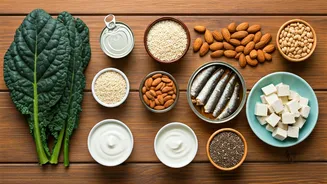
Collagen production relies heavily on amino acids, which are the fundamental building blocks of proteins. The nutritionist highlights the importance of incorporating foods that are rich in proline, glycine, and lysine, which are the main amino acids in collagen. Good sources include lean meats, fish, eggs, and dairy products. Consuming these amino acids ensures the availability of the essential elements needed for the body to build and maintain its collagen stores. Including these food sources into one’s diet offers crucial components to support skin health, enhance joint function, and promote overall structural integrity. A focus on protein-rich foods helps the body internally rebuild, which combats signs of aging and maintains body’s ability to self-repair.
Bone Broth: Traditional Power
Bone broth is a traditional remedy, revered for its high collagen content and its beneficial effect on overall health. This broth is made by simmering animal bones, which releases collagen and other essential nutrients into the liquid. The nutritionist suggests bone broth as a valuable supplement to support collagen synthesis. Bone broth provides a concentrated source of the amino acids and other compounds the body needs to build collagen, as well as several benefits that extend beyond skin and joint health. The consumption of bone broth can thus be a beneficial part of a daily routine, offering several health advantages including enhanced digestive function and stronger immune support.
Healthy Fats: Important Role
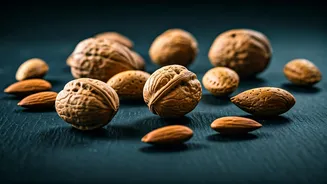
Healthy fats are essential for maintaining the overall health of the body and play an important role in the absorption of nutrients. Incorporating sources of omega-3 fatty acids, such as those found in fish, avocados, and nuts, can further boost the body’s ability to create and support collagen production. The nutritionist advises that these fats reduce inflammation and keep the body working at its optimal level. By focusing on incorporating these beneficial fats, people support the overall wellness and skin health, and further contribute to effective collagen synthesis. This nutritional advice combines dietary changes that can lead to better health.