





Ventilation is Key
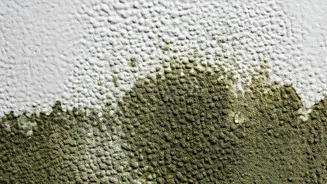
Mould finds its favourite home in bathrooms where moisture lingers and air struggles to circulate freely. The most effective defence against this persistent
problem lies in a well-thought-out ventilation system. By actively managing humidity levels, you can create an environment that is inhospitable to mould growth, ensuring your bathroom not only looks cleaner but also smells fresher. This proactive approach to air quality is paramount for maintaining a healthy and pleasant atmosphere within your home. Ignoring ventilation can lead to significant issues down the line, impacting both the aesthetics and structural integrity of your bathroom.
Harnessing Exhaust Power
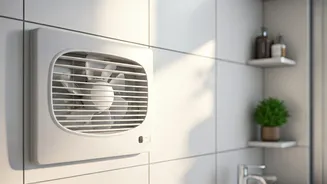
A robust exhaust fan is your primary weapon in the fight against bathroom dampness. Installing a high-powered unit designed to efficiently extract humid air is crucial. For maximum impact, position this fan strategically close to the primary sources of moisture, such as the shower enclosure. This ensures that the steamy air is whisked away as quickly as it is generated, preventing it from settling on surfaces and contributing to mould formation. The continuous removal of moist air is a direct countermeasure to the conditions mould needs to thrive, making it an indispensable feature in any mould-proof bathroom design.
Natural Airflow Dynamics
Don't underestimate the power of nature in keeping your bathroom dry and mould-free. Incorporating windows into your bathroom design offers a dual benefit: they allow for natural airflow and let in sunlight, both of which are potent mould deterrents. When windows are strategically placed to create cross-ventilation – meaning openings on opposite sides of the room – air can move freely in and out. This continuous circulation dramatically speeds up the drying process after showers and baths, leaving surfaces less hospitable to mould spores. Sunlight also plays a role by providing UV exposure that can inhibit mould growth.
Strategic Material Selection
Beyond ventilation, the very materials you choose for your bathroom surfaces can make a substantial difference in preventing mould. Opt for paints, tiles, and other finishes that are inherently resistant to moisture. These specialized materials are designed to repel water and reduce the likelihood of dampness accumulating on walls and floors. By selecting products that actively keep surfaces drier, you create an environment that is less conducive to mould formation, adding another layer of defence to your mould-proof strategy. This thoughtful material selection contributes to a more durable and low-maintenance bathroom.
Design for Dryness
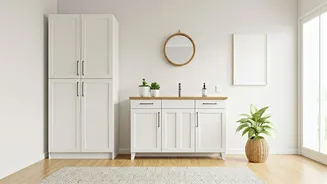
Consider the layout of your bathroom to inherently promote dryness and ease of maintenance. A smart design choice is to separate areas where water is used, such as keeping the shower and sink distinct. This prevents water from spreading across the entire bathroom floor after use. By containing water to specific zones, it becomes significantly easier to dry the space effectively. This not only aids in the immediate drying process but also makes regular cleaning and upkeep simpler, further reducing the opportunities for mould to establish itself. A well-planned layout is a cornerstone of a functional and hygienic bathroom.
Daily Maintenance Habits
Even with the best design, consistent habits are key to maintaining a mould-free bathroom. Make it a practice to keep windows open whenever the bathroom is not in use, allowing for passive air exchange. Crucially, always run the exhaust fan after every shower or bath. This ensures that any residual moisture is efficiently removed, circulating fresh air and minimizing dampness. These simple, regular actions form the final, vital line of defence against mould, complementing your ventilation systems and material choices for a consistently clean and healthy bathroom environment.