




The Rise of Pet Power
In the ever-evolving landscape of modern romance, particularly within the swipe-heavy culture of dating apps, a new phenomenon known as 'petfishing' has
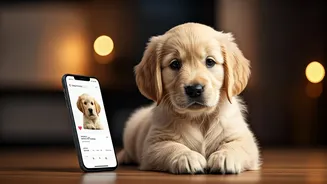
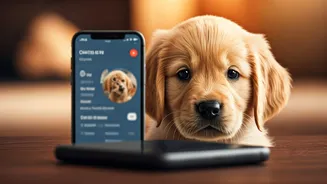
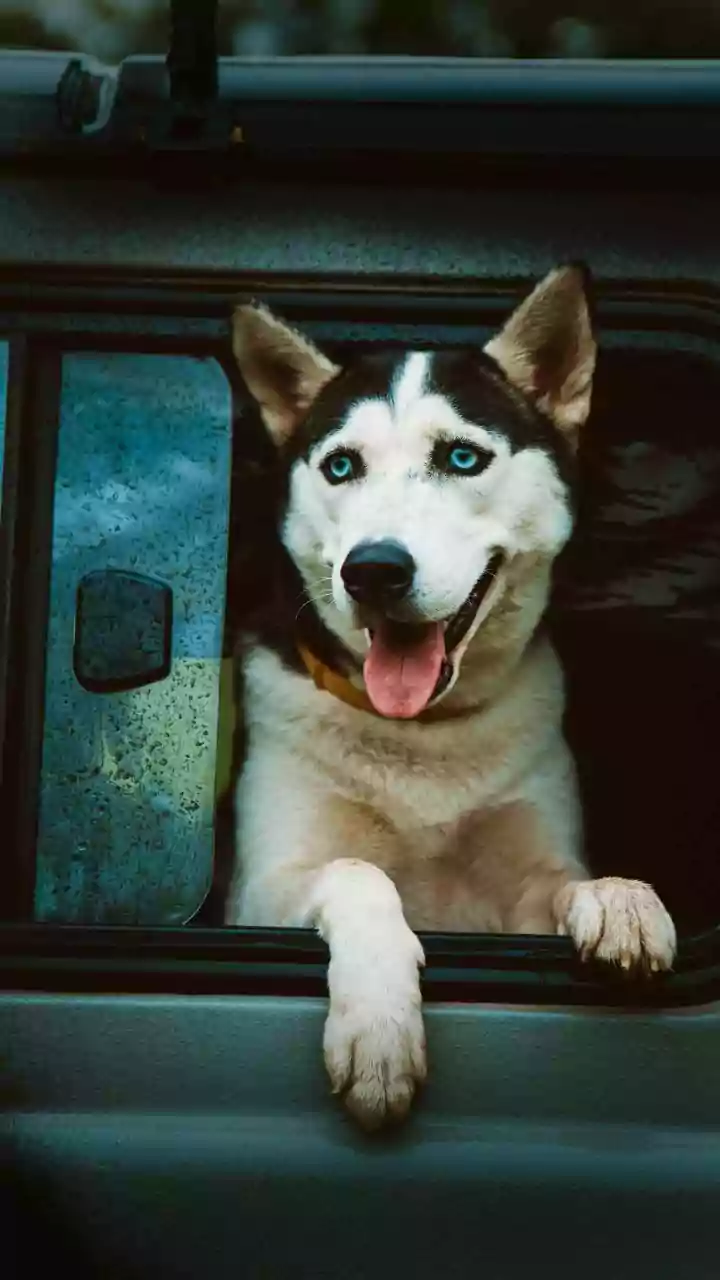
emerged, capturing the attention and affection of many. This tactic involves singles strategically featuring images of themselves with pets on their dating profiles, aiming to project an image of cuteness, approachability, and lovability. The presence of a charming canine companion or a cuddly cat can instantly make a profile more appealing, often leading to more engagement. A recent survey highlighted that a significant portion of Indian singles have either used or considered using pet photos on their profiles, underscoring its popularity. Psychologically, this works due to the 'halo effect,' where the perceived positive traits associated with pet ownership—such as kindness, responsibility, and emotional depth—are transferred to the individual. Moreover, pets serve as excellent conversation starters, easily bridging the gap from a simple 'hello' to more meaningful interactions, thus increasing the likelihood of garnering likes, responses, and actual dates.
From Screen to Scene
The influence of petfishing extends beyond the digital realm, shaping how real-life dates unfold. Data indicates a shift in how Indian daters approach initial meetings, with a notable percentage opting for activities that incorporate pets. While many still prefer traditional coffee chats, a substantial group now chooses more relaxed, pet-friendly outings like dog walks. These casual settings offer a natural way to ease any potential awkwardness, transforming silences into engaging anecdotes centered around their furry companions. The shared love for animals, or even just the presence of a pet, can act as a powerful social lubricant, fostering a more comfortable and authentic connection between potential partners. It provides a low-pressure environment to gauge compatibility and build rapport, making the transition from online profile to offline reality smoother and more enjoyable.
When Cute Turns Caution
While petfishing might seem like an innocent and effective way to enhance a dating profile, it can quickly become problematic when authenticity is compromised. The core issue arises when the pet featured is not actually owned by the person, leading to a sense of deception or betrayal once the truth is revealed. Daters who are genuinely seeking partners who share their love for animals can feel misled or disappointed when the anticipated pet presence is absent in real life. This can be particularly frustrating for individuals with pet allergies or those who have specific preferences regarding animal companionship, turning what was initially perceived as a 'green flag' into a significant dealbreaker. In the already complex world of online dating, relying on fabricated elements like borrowed pets can undermine trust and hinder the development of genuine connections, emphasizing the long-term value of honesty and transparency.
The Petfishing Verdict
Petfishing undeniably offers a charming strategy to boost visibility and attractiveness in the competitive dating arena. Given the widespread affection for pets in countries like India, where a significant number of households own dogs or cats, it's a natural avenue for connection. However, the key lies in genuine intention. If someone isn't a true animal enthusiast, borrowing a pet solely for profile enhancement is ill-advised. Prospective daters are encouraged to pause and critically assess profiles featuring pets, discerning whether the display of animal affection is authentic or merely a calculated tactic. Ultimately, while petfishing can be a playful dating hack, its success and ethical standing hinge on the underlying truthfulness of the portrayal.