






A Bold Visual Cue
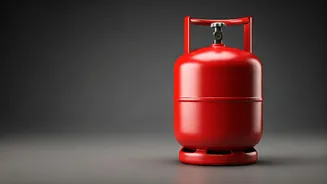
In the heart of millions of Indian homes, the LPG cylinder stands as an indispensable tool for daily culinary preparations. Its most striking attribute
is undoubtedly its vivid red exterior, a choice that transcends mere aesthetics. This bold coloration is fundamental to the cylinder's functionality, serving multiple vital purposes that directly contribute to safety and ease of use. The standardized red ensures that these containers are easily distinguishable, significantly mitigating the likelihood of mishaps and ensuring they are managed with the necessary caution. It's a prime example of how visual cues can play an instrumental role in managing potentially hazardous materials, emphasizing that appearance truly does hold practical significance in this context.
Safety First Signal
The prominent red coating on an LPG cylinder is far more than a simple paint job; it's a powerful, universally understood symbol indicating the presence of highly flammable gas. This immediate visual alert acts as a constant reminder to everyone interacting with the cylinder to exercise caution and remain vigilant about the inherent risks. This colour-coding strategy offers a straightforward yet remarkably effective method for ensuring that substances posing a danger are instantly recognizable, thereby placing safety at the forefront of handling procedures. By employing such a distinctive hue, the potential for accidents is substantially reduced, fostering a safer environment for domestic use.
Enhanced Visibility & Identification
Cylinders containing gases, including LPG, are intentionally coated in bright, attention-grabbing colours like red to enhance both their visibility and overall safety profile. These striking shades enable individuals involved in their handling, transportation, and final usage to quickly ascertain the type of gas contained within. Moreover, these vivid colours ensure that the cylinders are easily spotted, even in environments with limited lighting or cluttered storage areas. This heightened visibility is crucial for preventing accidental bumps, falls, or mishandling, thereby averting potential hazards before they can even occur and contributing to a more secure operational chain.
Safe Handling Practices
Adhering to stringent safety protocols when using LPG cylinders is paramount. It is essential to always keep the cylinder in an upright position to prevent leaks and ensure stable operation. Regular inspection for any signs of damage or gas leakage is also a critical step in safe usage. Furthermore, maintaining good ventilation within the kitchen area is indispensable for dispersing any potential gas accumulation. Cylinders should be kept at a safe distance from direct heat sources, such as stoves or open flames, to avoid ignition. Crucially, the regulator must be switched off when the cylinder is not in active use, further minimizing any residual risk.