






The Muscle Loss Risk
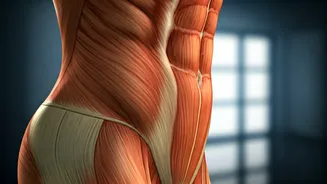
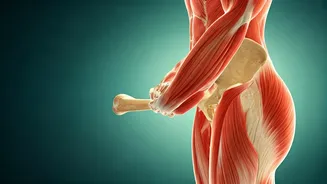
While GLP-1 medications are effective for weight loss, a common concern is the potential loss of lean muscle alongside fat. This isn't ideal because muscle is vital
for a healthy metabolism, physical strength, and long-term well-being. When calorie intake decreases, the body might break down muscle tissue faster than it can rebuild it, especially if protein intake is insufficient. Rapid weight reduction can exacerbate this, potentially leading to sarcopenia, a condition characterized by skeletal muscle loss. This can increase risks of falls, fractures, reduced mobility, and diminished overall quality of life. Therefore, it's essential to be mindful of not just the numbers on the scale but also the composition of the weight lost, ensuring muscle preservation remains a priority throughout the weight loss process.
Resistance Training's Crucial Role
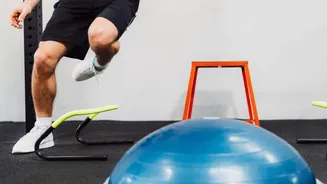
Incorporating resistance training, or strength training, is a highly effective strategy for safeguarding lean muscle mass while on GLP-1 medications. Aiming for at least two dedicated resistance sessions per week can significantly help in preserving muscle tissue. This form of exercise not only supports muscle integrity but also contributes to enhanced bone health, an area where long-term GLP-1 effects are still being researched. Furthermore, maintaining muscle mass is intrinsically linked to a robust metabolism; muscle tissue is metabolically active and burns more calories at rest than fat. By boosting your resting metabolic rate, consistent strength training aids in managing weight and maintaining metabolic function over time. This proactive approach through strength training is key to counteracting potential muscle loss and promoting a healthier, more resilient body.
Protein: The Muscle Building Block
Complementing resistance training, adequate protein intake is absolutely fundamental for muscle maintenance and growth, particularly during periods of calorie restriction and weight loss. Protein supplies the essential amino acids that act as the building blocks for muscle repair and synthesis. When you engage in strength training, protein plays a vital role in optimizing recovery by mending muscle fibers damaged during exercise, thereby helping to preserve or even increase lean muscle mass. Moreover, recent research indicates that dietary protein intake stimulates muscle protein synthesis and helps preserve skeletal muscle, effectively reducing lean mass depletion. Ensuring you consume sufficient protein is therefore a powerful strategy to support your muscles' ability to recover and stay robust while you are working towards your weight loss goals with GLP-1 medications.
Sustainable Habits for Success
Achieving long-term success on GLP-1 medications involves more than just diet and exercise; it requires the adoption of small, consistent habits that support overall well-being. Prioritizing protein intake at every meal, consistently engaging in physical activity including resistance training, and ensuring adequate sleep are all integral components. Building a sustainable routine that incorporates these elements can significantly contribute to protecting your lean muscle mass and fostering a stronger, healthier physique. The focus should shift from solely chasing scale victories to building a resilient and robust body for the future. By integrating these manageable lifestyle changes, you can ensure that your GLP-1 journey leads to sustainable health improvements, empowering you to maintain muscle and vitality.