







Initial Steps
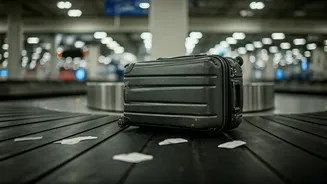
The aftermath of flight issues often includes the frustrating experience of missing luggage. Initially, passengers must immediately report their missing bags
to the airline's designated service desk upon arrival at their destination. Airlines typically provide a Property Irregularity Report (PIR) to document the missing luggage, which is a crucial step for initiating the recovery process. Keep the PIR number in a secure place. This will serve as your reference number to track your luggage and communicate with the airline. The airline should then begin tracing the luggage, utilizing baggage tracking systems to pinpoint the bag's last known location. During this phase, it's essential to retain all travel documents, including boarding passes and baggage claim tags, as these will be vital for any claim procedures. Make sure you keep copies of these important documents and any communications with the airline.
Tracking Your Luggage
Once you have filed your report, the airline is expected to actively trace your lost luggage. They employ sophisticated baggage tracking systems to locate the last scan point of your bag. You will be provided with a reference number that you can use to check on the progress. Many airlines also provide online tools or apps where you can track the status of your luggage in real time. Regularly check these resources. If the luggage is found, the airline will make arrangements to have it delivered to you, often at no additional cost. However, be aware that the time it takes to find and return the luggage varies, depending on factors such as the airline's efficiency and the complexity of the circumstances. Regular follow-ups with the airline are important to make sure that the search continues. Keep a record of all communications and make sure to have all your contact information up-to-date, so the airline can reach you promptly.
Passenger Rights
In the unfortunate event of lost luggage, travelers have certain rights that are legally protected. These rights are generally outlined under international air travel agreements and may vary slightly depending on the specific flight route and airline policies. Airlines are usually responsible for providing compensation to cover any expenses due to the loss of luggage. This compensation often includes reimbursement for essential items like toiletries and clothing. It is important to know the extent of the airline's liability, usually limited by weight and the content's value of the missing luggage. Always review the airline's policy, and be ready to provide receipts for any necessary purchases. In some cases, if the luggage is never found, the airline may be liable to provide further compensation, often based on the value of the contents. If you find yourself in a dispute with an airline, you can explore several avenues, including contacting consumer protection agencies. Remember your rights as a traveler.
Proactive Prevention Tips
Taking proactive steps can significantly reduce the chances of lost luggage and mitigate the inconvenience it brings. One key tip is to always attach clear identification tags to your luggage, including your name, contact information, and address. Consider adding a unique identifier, like a brightly colored ribbon or tag, to help quickly identify your bags at the baggage claim. When packing, always place essential items, such as medications, important documents, and valuable electronics, in your carry-on luggage. Also, create a detailed inventory of items packed in your checked luggage, which can be useful when filing a claim. Before you check your luggage, take photos of the contents. Choosing direct flights, when possible, reduces the risk of bags being mishandled during transfers. Arriving early to the airport gives you more time to deal with any issues. By being aware and taking precautions, you can reduce the challenges of potential baggage issues.
Filing a Claim
If your luggage remains missing or is damaged, filing a formal claim with the airline is essential to start the compensation process. This should be done as soon as possible, ideally within the time frame specified by the airline or international regulations. Typically, this time frame is within a few days or weeks of the incident. The airline's website or customer service channels will provide instructions on how to file a claim. Be prepared to provide the Property Irregularity Report (PIR) number, your baggage claim tags, and a detailed inventory of the lost items. Include receipts for items you purchased to replace your lost luggage. The airline will then evaluate your claim. Remember, compensation amounts can vary based on several factors, including the airline's liability, the value of the missing items, and the applicable laws. While you await a decision on your claim, continue to communicate with the airline and keep all records of your communications and purchases. Patience and thorough documentation are key to a successful claim process.