







The Post-Dinner Fruit Dilemma
Many individuals naturally reach for fruit after a meal, seeking a sweet and seemingly healthy alternative to heavier desserts. While fruits are undeniably
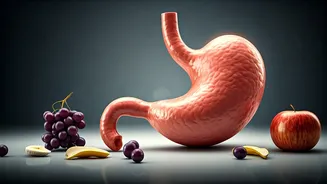
packed with essential nutrients and are generally considered easily digestible, with most passing through the stomach in a mere 20 to 40 minutes, the timing of their consumption can significantly alter their impact on your digestive system. The primary concern arises when fruits are consumed immediately following a substantial dinner. At this point, your body is already engaged in processing the fats and carbohydrates from your evening meal, and introducing easily fermentable sugars and fiber from fruits can disrupt this process, potentially leading to a cascade of digestive discomfort for some.
Why Late-Night Fruits Can Backfire
When fruits are eaten right after a heavy meal, their typical rapid transit time through the stomach can be impeded. This delay means they remain in your digestive tract longer than usual, as your body prioritizes breaking down the more complex components of your dinner. This prolonged presence allows the natural sugars and fiber in fruits to begin fermenting. This fermentation process, in turn, can generate gas within the gut, leading to common symptoms like bloating, an uncomfortable feeling of excessive fullness, and general digestive unease. Furthermore, the high fiber content, while beneficial at other times, can feel overwhelming to a system already working overtime late at night, potentially causing stomach tightness, frequent burping, cramping, and even impacting sleep quality due to the ongoing digestive burden.
Fruits to Approach Cautiously
It's crucial to understand that not all fruits will necessarily trigger these issues for everyone, but certain varieties are more prone to causing digestive upset when consumed post-dinner due to their specific nutritional makeup. Fruits like apples, pears, mangoes, and watermelon are particularly noted for their higher levels of fructose. This natural sugar can be challenging for many individuals to digest efficiently. When the body struggles to break down fructose, it lingers in the gut, drawing extra water into the intestines and providing a feast for gut bacteria, which then ferment it. This can exacerbate feelings of bloating, gas, and heaviness, making these fruits less ideal choices for late-night snacking if you're prone to digestive sensitivity.
Who Should Be Extra Mindful
Individuals who commonly experience digestive sensitivities, such as those with Irritable Bowel Syndrome (IBS) or generally delicate gut systems, are particularly advised to be cautious about consuming fructose-rich fruits after dinner. The high fructose content in certain fruits can easily act as a trigger for their symptoms, leading to predictable discomfort. This can manifest as significant bloating, sharp abdominal cramps, and unpredictable changes in bowel habits. Understanding your own body's reactions is paramount, as what one person tolerates well may cause considerable distress for another, especially when it comes to timing and food choices around meal periods.
Optimal Fruit Timing Strategies
Instead of directly following a meal, a gastroenterologist recommends adopting a more strategic approach to fruit consumption for enhanced digestive comfort. Consuming fruits as a mid-morning snack or as an afternoon pick-me-up can be significantly more beneficial. This allows your digestive system ample time to process the fruit's sugars and fiber without competing with a recent, heavy meal. While general guidelines exist, individual digestive tolerance varies greatly. Therefore, it's essential for each person to pay close attention to how their body responds to different fruits and various eating schedules. This personal observation will help in fine-tuning the best times for fruit intake, ensuring you can enjoy their health benefits without the downside of digestive discomfort.