





Embrace Wabi-Sabi
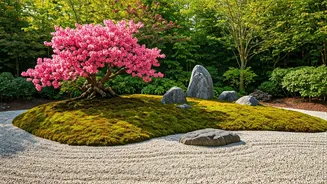
Wabi-Sabi champions the beauty of imperfection and the acceptance of transience. This philosophy encourages appreciating the natural cycles of life and embracing
the beauty found in things that are incomplete, impermanent, and modest. Instead of chasing perfection, Wabi-Sabi encourages us to find contentment in the subtle elegance of the weathered, the worn, and the understated. This principle promotes a mindset of contentment and self-acceptance, encouraging people to reduce the pressure to achieve perfect appearances or outcomes. Applying this philosophy can involve appreciating the beauty of aging, accepting mistakes, and finding value in the unique qualities of things, reducing the tendency to pursue artificial perfection.
Find Purpose – Ikigai
Ikigai, or "a reason for being," is a core Japanese concept that emphasizes the importance of finding one's purpose in life. It emphasizes the importance of aligning your passions, skills, what the world needs, and what you can be paid for. Finding your Ikigai involves introspection, self-discovery, and ongoing exploration of your values, interests, and the contribution you wish to make to the world. It’s not just about a job or a career but the broader sense of purpose and meaning that drives you. Those who discover their Ikigai often experience higher levels of life satisfaction, a reduced risk of depression, and a greater sense of fulfillment, driving them to live a longer life.
Practice Kaizen Daily
Kaizen, meaning "continuous improvement," promotes the idea of making small, consistent steps towards positive change. Rather than overwhelming yourself with drastic overhauls, Kaizen encourages a gradual and sustainable approach to self-improvement and encourages the practice of breaking down large goals into small, manageable steps. This philosophy emphasizes a growth mindset and allows for a less intimidating approach to change by highlighting the importance of consistency over intensity. Applying Kaizen can translate into everything from personal habits to professional development, fostering a positive cycle of progress and self-efficacy. By focusing on small increments of improvement, you gradually build momentum, maintain motivation, and ultimately achieve significant long-term results.
Embrace Minimalism – Danshari
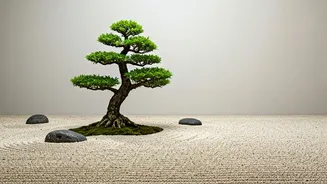
Danshari encourages a lifestyle of simplicity and decluttering to promote a clear mind and enhanced well-being. This philosophy involves removing unnecessary possessions, thoughts, and habits that clutter your life and distract you from what truly matters. Danshari's focus is on living a life centered around essentials rather than accumulating excess. By reducing the clutter in your environment, you create more space—literally and figuratively—for clarity, focus, and contentment. This process often extends beyond physical possessions to encompass mental habits and relationships, helping people to prioritize experiences over possessions and promote overall psychological wellness. Living a Danshari lifestyle supports a more sustainable and mindful way of living.
Cultivate Mindfulness – Zen
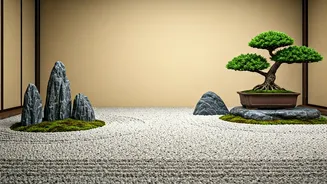
Zen principles emphasize the practice of present-moment awareness, allowing you to fully engage with experiences and minimize distraction. This practice is about cultivating a state of mental clarity and emotional stability through various techniques like meditation, mindfulness, and observing thoughts without judgment. Zen encourages you to slow down, pay attention to the details of your surroundings, and accept the present moment. By practicing mindfulness, you can reduce stress, enhance focus, and improve your ability to cope with life's challenges. Incorporating Zen principles into daily life involves activities like mindful eating, conscious breathing, and regular meditation, supporting an increased understanding of yourself and the world around you.
Seek Harmony – Wa
Wa, or harmony, is a core value in Japanese culture that emphasizes balance, cooperation, and respect in all aspects of life. It highlights the importance of fostering positive relationships, avoiding conflict, and working towards collective well-being. Wa applies to both internal harmony within yourself and the harmony you create with others and the environment around you. The practice of Wa encourages an approach to communication, conflict resolution, and decision-making that prioritizes the needs of the group and aims for consensus. To embrace Wa means striving for balance in life and relationships and appreciating the interconnectedness of all things.
Live With Gratitude
The principle of gratitude, a cornerstone of many Japanese philosophies, involves actively recognizing and appreciating the good things in your life. This practice centers on acknowledging the positive aspects of your experiences, relationships, and surroundings, fostering a sense of contentment and optimism. Cultivating gratitude goes beyond mere thankfulness, requiring you to regularly reflect on and express appreciation for the blessings you receive. Integrating gratitude into your daily routine—through journaling, meditation, or simply taking time to acknowledge what you appreciate—can significantly enhance your mental and emotional well-being. Practicing gratitude can transform your perspective, making you more resilient, and improving relationships.