





Cruise Ship Hantavirus Incident
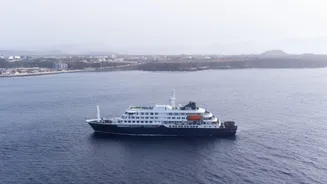
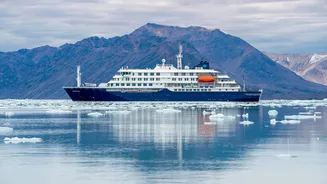
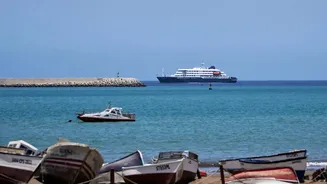
A luxury cruise ship, the Hondius, experienced a concerning outbreak of hantavirus, leading to several confirmed or suspected cases and tragically, multiple
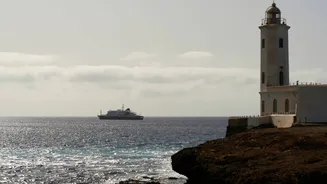
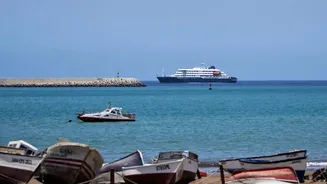
fatalities. A Dutch couple and a German national succumbed to the illness, while a British national required intensive care and was evacuated for treatment in South Africa. Three additional suspected cases were identified among individuals still aboard the vessel, with one exhibiting a mild fever. The ship, which began its voyage in Ushuaia, Argentina, in March and included destinations like the Antarctic peninsula, found itself isolated off Cape Verde, an island nation in the Atlantic. Passengers were not permitted to disembark due to the ongoing health situation. The World Health Organization (WHO) became involved to manage the crisis and assess the public health implications. Their initial assumption pointed to the first cases being infected off the ship, possibly through activities like birdwatching, before limited human-to-human transmission occurred among close contacts on board, such as cabin mates.
Understanding Hantavirus Transmission
The World Health Organization has underscored that direct human-to-human transmission of hantavirus is an uncommon occurrence. Typically, the virus is contracted through direct contact with infected rodents or their bodily fluids, such as urine, droppings, or saliva. However, in specific circumstances, particularly with the Andes strain of hantavirus, which is believed to be involved in this cruise ship incident, a limited spread among individuals in close proximity has been documented in past outbreaks. This intimate contact, like sharing living spaces or close personal interactions, can facilitate such transmission. The WHO's assessment indicated that people sharing cabins on the ship were at a higher risk for this rare form of spread. They are currently undertaking tests to confirm the specific strain of hantavirus responsible for the outbreak, with the Andes virus being the primary suspect due to its prevalence in South America and its known capability for limited human transmission.
Current Response and Risk Assessment
In response to the hantavirus outbreak, stringent protective measures were implemented on the cruise ship. Any individuals exhibiting symptoms, as well as those providing care to patients, were required to wear full personal protective equipment. The WHO ensured that additional supplies were readily available on board to facilitate these precautions. Disinfection protocols were also actively underway throughout the vessel. Notably, the WHO reported that there were no signs of rats on board, which are the typical carriers of the hantavirus. The immediate focus was on safely evacuating the two remaining sick passengers to the Netherlands. Subsequently, the ship was intended to continue its journey to the Canary Islands. Despite the serious nature of the cases and fatalities, the WHO reiterated its stance that the risk to the wider public remains very low, primarily because human-to-human transmission is rare and typically confined to very close contacts.
Voyage Details and Passenger Status
The luxury cruise, marketed as an Antarctic nature expedition, embarked from Ushuaia in southern Argentina in late March. The journey involved traversing the Antarctic peninsula and visiting remote islands like South Georgia and Tristan da Cunha. The price for berths ranged significantly, from 14,000 to 22,000 euros. Approximately 150 individuals, predominantly from Britain, the United States, and Spain, were on board. The first confirmed case, a Dutch man, passed away on April 11. His remains were kept on the ship until April 24, when they were disembarked in St Helena, accompanied by his wife. She began experiencing gastrointestinal symptoms during her disembarkation and her condition worsened during a flight to Johannesburg, where she tragically died on April 26. Contact tracing efforts were initiated for passengers on her flight. South African authorities confirmed the British patient's positive test for hantavirus, and the Netherlands verified the virus in the deceased Dutch woman, highlighting the confirmed presence of the illness among the passengers. While the ship was en route to the Canary Islands, Spanish health authorities had not yet made a final decision regarding its reception, indicating that the destination would depend on epidemiological data gathered during the ship's passage through Cape Verde.