





Rajasthan: Artistic Grandeur
Rajasthan, the 'Land of Kings,' is famed for its majestic forts, palaces, and vibrant artistic traditions. The state is a treasure trove of art, with intricate
miniature paintings, often depicting historical events and royal life, being a notable example. The 'Phad' paintings, large cloth scrolls narrating religious stories, are another significant art form. Textile art also flourishes, with tie-dye (bandhani), block printing, and embroidery creating dazzling fabrics. The state's art reflects its rich history, where the influence of rulers, artisans, and cultural exchanges blend to create a unique aesthetic. Each craft reflects the historical and cultural influences that have shaped Rajasthan’s artistic expressions over centuries, from the Mughal era to the present day. This deep connection to its past enriches Rajasthan's vibrant art scene, which continues to inspire and evolve.
Fashion of the Desert
The fashion of Rajasthan is a reflection of its regal history and desert lifestyle. Traditional attire is characterized by bright colors, bold patterns, and elaborate embellishments. Women's clothing often features 'ghagras' (long skirts), 'cholis' (blouses), and 'odhnis' (veils), all adorned with intricate embroidery, mirror work, and beadwork. Men typically wear 'dhotis' or 'pyjamas' with 'kurtas' or 'angarkhas', complemented by turbans ('pagris') that signify their social status and regional identity. Fabrics like cotton, silk, and wool are widely used, adapted for the climate. Jewelry is an integral part of Rajasthani fashion, with women adorning themselves with silver and gold ornaments, from necklaces and earrings to bangles and anklets. These accessories enhance the vibrancy of their outfits, making each ensemble a statement of elegance and tradition.
Rajasthani Musical Heritage
Music in Rajasthan is as diverse as its art and fashion, resonating with tales of valor, romance, and devotion. Folk music, central to the state's cultural identity, includes ballads, devotional songs ('bhajans'), and celebratory tunes for weddings and festivals. Instruments like the 'dholak,' 'khartal,' 'sarangi,' and 'ravanahatha' accompany vocal performances, creating a rich soundscape. Communities like the Manganiyars and Langas, traditionally musicians, play a crucial role in preserving the region's musical heritage. Their performances, often passed down through generations, are an integral part of Rajasthani life, expressing emotions and celebrating communal bonds. This musical legacy, with its distinct melodies and rhythms, reflects the spirit of the state.
West Bengal's Artistic Flair
West Bengal's artistic scene, nurtured by its literary and intellectual traditions, is a vibrant mix of classical and contemporary styles. The state is renowned for its Bengal School of Art, which emerged in the early 20th century, promoting a nationalist aesthetic. Artists like Abanindranath Tagore and Nandalal Bose created a unique style that drew inspiration from Indian traditions. The use of watercolor, ink, and wash techniques defined this movement. Sculptural traditions are also important, with both terracotta and bronze work. The state's art reflects its rich cultural heritage, where influences of various periods and styles create a distinctive artistic landscape, making it a hub for creative expression in India.
Bengali Fashion Expressions
Bengali fashion balances traditional elegance with contemporary sensibilities. Women's attire showcases the grace of sarees, especially those made of silk and cotton. The 'tant' saree, with its crisp texture and intricate borders, is a quintessential Bengali garment, suitable for everyday wear. The 'dhakai jamdani', known for its fine muslin and elaborate motifs, is also highly valued. Men often wear 'dhotis' with 'kurtas' or 'panjabis,' especially during festive occasions. The influence of the cultural environment is evident in the fashion choices, with a preference for light, breathable fabrics like cotton. The state's fashion scene continuously evolves, blending classic traditions with modern trends, ensuring that it remains stylish and relevant to the times. The love for handcrafted textiles and detailed designs is a notable aspect of Bengali fashion.
Melodic West Bengal
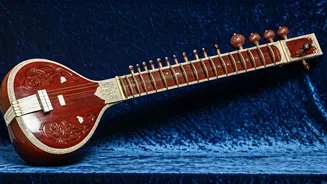
West Bengal's music scene, shaped by its rich cultural heritage, offers a diversity of genres. Rabindra Sangeet, songs composed and written by Rabindranath Tagore, holds a prominent place, embodying the state's literary and spiritual ethos. Modern Bengali songs, known as 'adhunik gaan', showcase contemporary themes and musical styles. The state has a deep association with classical music, with many musicians practicing Hindustani classical music, reflecting influences from various gharanas (schools). Instruments like the 'tabla', 'sitar', and 'harmonium' play an essential role in Bengali music, contributing to its intricate melodies. Music is an essential part of Bengal's culture, used to express the state's emotions, stories, and its passion for art.
Assam: Arts and Crafts
Assam is renowned for its diverse arts and crafts, which reflect the state's cultural heritage and the creativity of its communities. Silk weaving, especially the production of 'Muga' silk, is a significant industry, with its golden hue and natural luster. The state's artisans create intricate patterns and designs on fabrics like 'paat' silk and cotton. Cane and bamboo crafts are also prevalent, used for making household items, musical instruments, and decorative objects. The state's art includes traditional masks, pottery, and wood carving, each reflecting specific community traditions. Crafts are an important part of Assam's cultural identity and are often connected with local festivals, social rituals, and daily life. The skills have been passed down for generations, representing the unique cultural identity.
Assamese Fashion Styles
Fashion in Assam is characterized by the use of vibrant colours, traditional textiles, and distinct design elements. Women's traditional attire includes the 'mekhela chador,' a two-piece garment worn in various ways depending on regional customs. The 'mekhela' serves as a skirt, and the 'chador' is worn as a shawl. Fabrics made from Muga silk are highly valued. Men usually wear 'dhoti' and 'gamosa', a traditional woven cotton cloth used for various purposes including head covering. Traditional jewellery, including necklaces, earrings, and bangles, adds to the aesthetic appeal. The use of motifs and patterns reflects the culture, with each design element representing different aspects. The use of silk, cotton, and other natural materials makes Assamese fashion unique. The state's dress reflects its rich cultural diversity and regional influences.
Assam's Musical Journey
Assam's musical traditions encompass a variety of forms, reflecting the state's diverse ethnic groups and cultural influences. Bihu music and dance are central to Assamese identity, celebrating the agricultural seasons. 'Bihu geets' (songs) and 'dhol' (drums) and 'pepa' (buffalo horn instruments) are crucial elements of these celebrations. Folk music styles vary across districts, each with its unique melodies and rhythms. Instruments like 'toka', 'gogona', and 'sutuli' create unique sounds. The songs and dances tell stories, celebrate life, and mark the rhythms of the seasons. From traditional Bihu performances to contemporary songs, the musical traditions of Assam enrich the cultural tapestry of the state.