





The Unveiling of Lonikot
In 2015, Ivan and his wife Purnima Lamech discovered a sprawling 10-acre plot situated approximately 50 kilometers from Allahabad. This expanse of land,
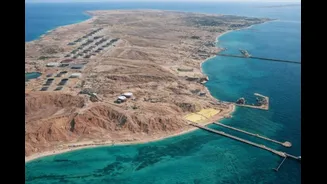
initially appearing arid and uncultivable, held a unique allure for the couple who were actively seeking a location to establish their dream homestay, which they would eventually name Lonikot. What truly captivated them about this parcel was its proximity to a flowing river. Ivan fondly recalls the picturesque panorama, a scene dotted with fishermen on the water and the evocative remnants of an ancient kothi, a grand mansion that once belonged to the Devra Royal family and dated back an impressive 450 years. This historical backdrop, combined with the natural beauty of the riverside setting, sparked the initial vision for their ambitious project. The land's inherent potential, masked by its current state, presented a compelling challenge and opportunity for the couple to embark on a significant endeavor in rural transformation.
Nurturing a Green Oasis
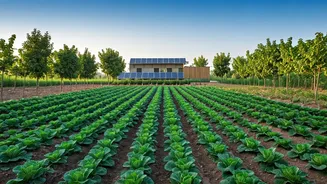
Over the subsequent five years, Ivan and Purnima dedicated themselves to meticulously transforming the seemingly desolate 10 acres into a vibrant, verdant sanctuary. Ivan drew significantly from his prior experience working in the tea gardens of Munnar, applying these learned principles to cultivate the soil. He discovered that incorporating cow dung was instrumental in revitalizing the land, shifting it from its barren state to one that was fertile and capable of sustaining diverse plant life. Their strategic planting began with hardy forest trees, creating a foundational canopy. This was followed by the introduction of fruit-bearing trees, promising future bounty. Subsequently, they carefully demarcated specific zones for cultivating essential crops such as rice, wheat, dal (lentils), and sarson (mustard), ensuring self-sufficiency in food production. To further enhance the ecosystem and water management, they ingeniously converted two natural depressions into ponds, creating vital water sources and habitats. The final flourish was the establishment of a dedicated vegetable garden, completing their vision of a self-sustaining agricultural landscape that was both productive and aesthetically pleasing.
Sustainable Living Embodied
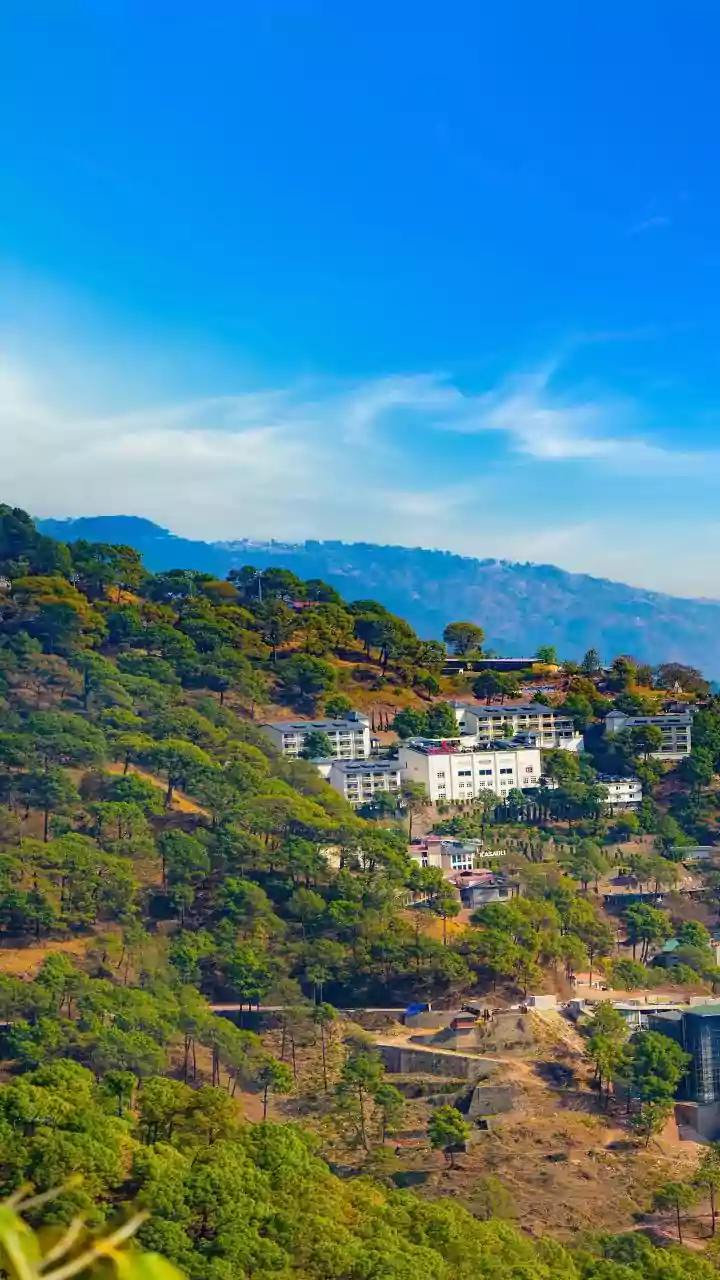
Today, the landscape of Lonikot is beautifully punctuated by approximately 900 trees, a testament to the couple's dedication to ecological restoration. The entire operation of the homestay is rooted in organic practices, ensuring minimal environmental impact and promoting the health of the land and its produce. Sustainability is not merely a concept but the guiding principle that permeates every aspect of the homestay. Ivan further elaborates that the entire property operates on solar power, a conscious choice to harness renewable energy and reduce their carbon footprint. This commitment to eco-friendly living is also deeply embedded in the architectural design and construction of the homestay itself. They prioritized engaging local labor for the construction, fostering community development and preserving traditional building techniques. A key element in their architectural approach was the extensive use of local stone, which not only provided a sustainable building material but also seamlessly integrated the structures with the surrounding natural environment, creating a harmonious and authentic aesthetic. Guests can enjoy the tranquility of the property by taking leisurely walks to the nearby river or arranging a delightful picnic amidst the revitalized natural beauty.