





Rinse Away Starch
The foundational step to fluffy rice lies in thorough rinsing. Begin by placing your rice in a bowl and gently swishing it with water. Repeat this process
about 3 to 4 times, or until the water you drain off appears noticeably clear. This diligent rinsing removes excess surface starch, a primary culprit behind rice clumping into a sticky mass. It's crucial to be gentle; aggressive scrubbing can break the grains. A light, consistent washing action is sufficient to achieve the desired clarity and minimize stickiness, ensuring your grains remain distinct.
The Soaking Secret
After you've rinsed your rice until the water runs clear, consider giving it a soak. Allowing the grains to rest in water for approximately 15 to 30 minutes before cooking is a highly beneficial practice. This period lets the rice absorb moisture evenly, which promotes a more uniform cooking process. Consequently, your rice is less likely to become mushy or undercooked in parts. This soaking step is particularly advantageous for long-grain varieties like basmati, as it helps them elongate beautifully, maintaining their individual, non-sticky character.
Master Water Ratios
Achieving the correct proportion of water to rice is absolutely critical for the final texture. For delicate basmati rice, aim for a ratio of about 1.5 to 1.75 cups of water for every cup of rice. If you're cooking regular white rice, a ratio of around 2 cups of water per cup of rice is generally effective. Deviating too much from these guidelines can lead to disappointment: excessive water results in a gummy, overcooked consistency, while insufficient water will leave your rice hard and underdone. Small adjustments can be made based on whether the rice is fresh or has been stored for a while.
Add a Citrus Zing
Elevate your rice's texture and appearance with a simple acidic addition. Incorporating just a few drops of lemon juice or a splash of white vinegar into the cooking water can work wonders. This acidic element aids in breaking down some of the starches that would otherwise cause the grains to stick together. The result is not only more separated rice but also a brighter, more appealing look. This is a subtle yet effective technique often employed to achieve that desirable restaurant-quality fluffiness.
A Touch of Fat
To further combat stickiness and enhance the overall mouthfeel of your rice, consider adding a small amount of fat. A teaspoon of cooking oil or a dab of ghee stirred into the water before cooking can help keep the individual grains from adhering to one another. While this method is famously used in elaborate rice dishes like biryani to ensure distinct grains, it’s wise to use it sparingly. Moderation is key to maintaining the healthfulness of your meals while still reaping the benefits of a less sticky outcome.
Heat Control is Key
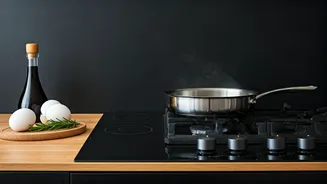
The cooking process itself requires attention to heat management for optimal results. Begin by bringing the rice and water mixture to a boil over high heat. Once a rolling boil is achieved, immediately reduce the heat to the lowest setting. This gradual transition from high to low heat allows the rice to cook through gently after the initial rapid absorption of water. If, by chance, you find there's a bit too much moisture remaining, resist the urge to stir vigorously. Instead, think of advanced techniques rather than everyday solutions to avoid waste.
The Crucial Rest
Once your rice has finished cooking and the heat is turned off, resist the immediate temptation to lift the lid. Allowing the rice to rest, undisturbed, with the lid firmly in place for a period of 10 to 15 minutes is a vital step. During this resting phase, the steam trapped within the pot continues to gently cook any remaining firm grains and distributes moisture evenly. This resting period is instrumental in achieving a light, fluffy texture and preventing a soggy bottom. It allows the grains to firm up and become perfectly separated.
Fluff with Finesse
The final step in achieving perfectly fluffy rice involves how you handle it after resting. Instead of using a spoon, which can crush or mash the delicate grains, opt for a fork. Gently aerate the rice by running the fork through the grains, lifting and separating them. This careful fluffing process ensures that the steam has escaped and the rice remains light and distinct. Following this methodical approach, from initial rinse to final fluff, guarantees that your rice will be beautifully cooked, fluffy, and never sticky, perfect for any meal.