





Understanding Menopause Stages
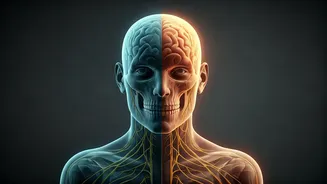
Menopause, a natural biological transition, signifies the cessation of menstruation and fertility, typically occurring 12 months after the last period.
Before full menopause, women experience premenopause, the period leading up to it, and perimenopause, a more volatile phase characterized by fluctuating hormone levels and irregular cycles. These transitional stages, beginning for many between ages 40 and 65, can manifest a wide array of symptoms. It's crucial to note that the experience and timing of menopause can vary significantly across individuals, influenced by factors such as genetics and lifestyle. Understanding these distinct phases is the first step in preparing for and managing the changes ahead, allowing for proactive health management.
Common Symptoms and Relief
As the body navigates hormonal shifts during perimenopause and menopause, a spectrum of symptoms can emerge. These commonly include vasomotor symptoms like hot flashes and night sweats, which can disrupt sleep and overall comfort. Other prevalent issues are vaginal dryness, leading to discomfort during intimacy, and potential changes in mood, cognition, and sleep patterns. Recognizing these symptoms is vital for seeking appropriate relief. While the duration of these symptoms varies, often extending through the menopausal transition, various strategies exist to mitigate their impact. These range from lifestyle adjustments and at-home remedies to medical interventions, offering personalized solutions for enhanced quality of life during this phase.
Treatment and Medication Options
Managing the diverse symptoms of menopause often involves a combination of approaches, with a growing number of treatment advancements available. Prescription medications, including hormone therapy, are among the most effective options for alleviating severe symptoms like hot flashes and vaginal dryness, significantly improving quality of life for many. Hormone therapy, when carefully considered for its benefits and risks, can help restore hormonal balance. Beyond conventional medicine, alternative therapies and lifestyle modifications play a crucial role. Exploring these varied treatment pathways allows individuals to find personalized strategies that best suit their health needs and preferences, ensuring comfort and well-being throughout the menopausal journey.
Lifestyle and Weight Management
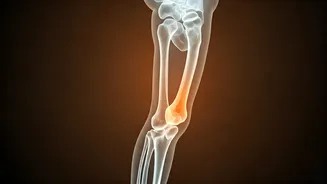
The menopausal transition brings about metabolic and hormonal changes that can influence body composition, making weight management a key focus. Adopting a balanced diet rich in whole foods, lean proteins, and healthy fats, while moderating intake of processed items and sugars, can support hormonal equilibrium and energy levels. Regular physical activity, incorporating strength training for muscle mass maintenance and flexibility exercises for mobility, is equally important for overall health and preventing weight gain. These lifestyle choices not only aid in weight management but also contribute to better bone health, cardiovascular well-being, and mental clarity, empowering individuals to embrace healthy aging during and after menopause.
Early and Surgical Menopause
While menopause typically occurs naturally in later life, it can also manifest prematurely, before the age of 45, or even in one's 20s. This early onset, often due to genetic factors or medical treatments like chemotherapy, means the ovaries produce less estrogen, leading to a cessation of periods and fertility. Surgical menopause occurs when both ovaries are removed, usually during a hysterectomy, leading to an abrupt onset of menopausal symptoms. Understanding the causes and implications of early or surgical menopause is critical, as it may require specialized medical guidance and support to manage long-term health, including bone density and cardiovascular health, and to address the emotional impact on life planning, such as decisions about family.