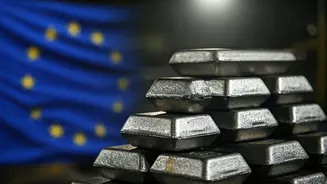








EU's Steel Overhaul
The European Union is set to implement new regulations concerning steel overcapacity, slated to begin on July 1, 2026. This move will replace the current
safeguard measures. This transition is critical for India because it directly impacts its steel exports to the EU. India is actively seeking preferential treatment under the ongoing trade talks with the EU. The Indian government is hoping that the new regulations will pave the way for reduced tariffs and smoother trade flows, benefiting Indian steel manufacturers. The industry hopes to gain access to the EU market, which could result in increased exports and stronger economic ties between the two regions.
Preferential Treatment Sought
India is keenly focused on securing preferential access for its steel exports within the framework of the EU-India trade negotiations. The nation is aiming to phase out duties on a majority of iron and steel products. This would create a more competitive landscape for Indian steel producers in the EU market. The pursuit of preferential terms reflects India’s commitment to strengthening its steel industry. Successfully negotiating favorable conditions could lead to higher volumes of exports. This has the potential to boost revenue and foster economic growth within India. The Indian government has expressed optimism regarding the prospects for the trade deal.
Impact and Implications
The shift in EU regulations and the ongoing trade negotiations carry notable implications for the Indian steel sector. If successful in securing preferential treatment, Indian steel manufacturers could anticipate increased competitiveness, enhanced market access, and greater potential for revenue growth. The impact would stretch from individual companies to the overall economic outlook. The negotiations will define the future of the steel export relationship. Conversely, failure to achieve desired outcomes could pose challenges. It is vital for Indian producers to adapt to new regulations and maintain high standards. This is essential to remaining competitive within the global market. The outcomes of the trade talks will affect investment, employment, and the overall health of the Indian steel industry.
Future Prospects Examined
The future of India's steel exports to the EU hinges on the details of the new regulations and the conclusions of the trade negotiations. The Indian government and industry stakeholders must closely monitor the situation. They should adopt forward-looking strategies to maximize benefits and mitigate potential risks. This strategy requires consistent dialogue, adaptability, and a proactive approach. The evolving global economic landscape, coupled with shifts in trade policies, will require careful navigation. India must explore new opportunities. It should also build resilient partnerships to safeguard its interests in the European market. The actions taken today will influence the course of the Indian steel industry in the coming years.