






Kailash: Abode of Shiva
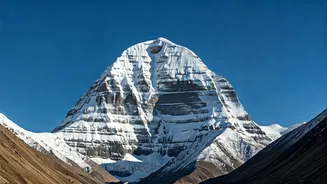
Mount Kailash, located in Tibet, is considered the holiest mountain in the world by Hindus, Buddhists, Jains, and Bonpo followers. Hindus believe it is the earthly
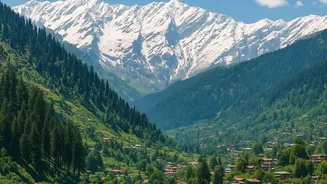
abode of Lord Shiva, while Buddhists regard it as Mount Meru, the center of the universe. The mountain’s remote location and challenging conditions have limited human access, adding to its mystique. Pilgrims often undertake circumambulation (parikrama) around the mountain, a journey of approximately 52 kilometers. This sacred practice is believed to cleanse sins and bring spiritual enlightenment. The sheer beauty and spiritual aura of Mount Kailash make it a revered site for millions, embodying devotion and reverence.
Fuji: Japan's Icon
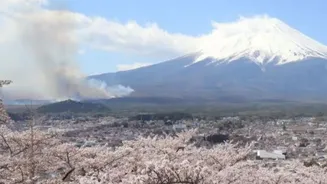
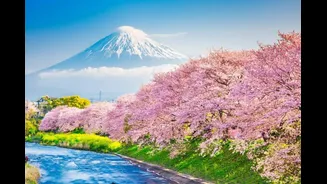
Mount Fuji, Japan's highest peak, is a symbol of the nation and holds deep cultural and spiritual significance for the Japanese people. It has been a subject of artistic inspiration for centuries, appearing in countless paintings, poems, and artworks. The mountain is considered sacred within Shinto and Buddhist traditions. Climbing Mount Fuji is a popular activity, particularly during the summer months, with thousands making the ascent to experience the sunrise from its summit. The reverence for Fuji extends beyond its beauty; it represents a connection to nature, national identity, and spiritual reflection for all who view it. Its symmetrical cone shape, often capped with snow, has made it instantly recognizable around the globe.
Other Sacred Peaks
Beyond Kailash and Fuji, many other mountains worldwide are considered sacred. Mount Olympus in Greece, the home of the Greek gods, holds significant mythological and historical importance. The Andes Mountains in South America feature several peaks revered by indigenous cultures, such as Machu Picchu, which has sacred ties to the Incan civilization. In Australia, Uluru, also known as Ayers Rock, is a sacred site for the Aboriginal people, with deep spiritual connections to the land and its ancestral heritage. These mountains serve not only as geographical landmarks but also as powerful symbols of faith, history, and cultural identity, illustrating the profound relationship between humans and the natural world.
Beliefs and Practices
The sacredness of these mountains often stems from various beliefs and practices. Many cultures associate mountains with deities, considering them the dwelling places of gods or gateways to the heavens. Rituals, ceremonies, and pilgrimages are common, where people seek blessings, enlightenment, and spiritual connection. The physical ascent itself can symbolize a spiritual journey, representing the challenges and triumphs one faces in life. The natural elements, such as the mountain’s heights, beauty, and often isolation, create a sense of awe and inspire feelings of humility. These mountains act as powerful anchors for local and regional beliefs, contributing to cultural preservation and communal solidarity across the world. They continue to play an important role in spiritual practices.
Preserving Sacred Sites
Protecting these sacred mountains is vital to preserve both their ecological integrity and cultural heritage. Environmental conservation efforts aim to minimize human impact, preventing pollution and deforestation that could damage the delicate ecosystems surrounding the mountains. Sustainable tourism practices are important to ensure that the influx of visitors does not degrade the environment or disrespect local cultures. Local communities play a key role in protecting these sites, often acting as guardians and promoting responsible tourism. The shared goal is to protect these unique natural and spiritual landscapes for future generations. These conservation efforts help ensure that future generations can experience the beauty and power of these mountains.