





Understanding Cellular Defense
Our bodies are in constant motion, with cells dividing and repairing daily, which naturally leads to minor genetic alterations. Fortunately, our immune
system is adept at identifying and rectifying most of these insignificant changes. The real danger emerges when these mutations accumulate beyond the body's repair capacity. Factors like chronic inflammation, insulin resistance, obesity, and oxidative stress create an internal environment conducive to the survival and proliferation of damaged cells. The choices we make regarding our diet and exercise directly influence whether our bodies become more susceptible to these issues or develop robust resistance. These lifestyle decisions are far more influential in determining cancer risk than genetic predispositions, shaping how we combat inflammation, strengthen immunity, maintain hormonal balance, and mend cellular damage.
Nourishing Your Body's Shield
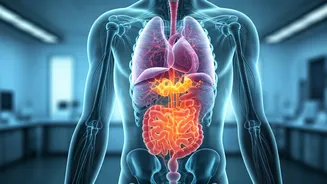
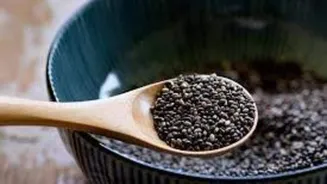
Dietary habits play a crucial role in mitigating two primary drivers of cancer development. A diet rich in fruits, vegetables, whole grains, legumes, nuts, and seeds provides vital antioxidants and phytochemicals that actively neutralize free radicals, thereby protecting DNA from damage. The inclusion of dietary fiber is particularly beneficial; it aids gastrointestinal function, improves insulin sensitivity, and helps to efficiently clear potential carcinogens from the body, significantly lowering the risk of colorectal cancer. Conversely, consuming ultra-processed foods, excessive refined sugars, and unhealthy fats can foster persistent inflammation and disrupt hormonal equilibrium. Furthermore, processed meats such as sausages and bacon have been definitively linked to an increased risk of certain cancers, most notably colon cancer. Excessive alcohol consumption also elevates the likelihood of developing cancers of the breast, liver, mouth, and esophagus. Maintaining a healthy body weight through balanced nutrition is essential, as excess adipose tissue can elevate estrogen levels and inflammatory markers, both contributors to the development of various cancers.
Movement as Protection
Engaging in regular physical activity offers benefits extending far beyond simple calorie expenditure. Consistent exercise enhances immune surveillance, empowering the body to detect and eliminate aberrant cells before they can turn cancerous. It also helps to reduce insulin resistance and lowers circulating levels of insulin and growth factors that can promote the proliferation of cancer cells. Research consistently demonstrates that individuals who participate in regular, moderate exercise experience a reduced risk of developing cancers such as breast, colon, and endometrial cancer. Physical movement effectively diminishes systemic inflammation and promotes better hormonal balance, cultivating an internal milieu that is less hospitable to cancer development. This protective shield is built through consistent effort, not through sporadic bursts of activity.
Synergistic Defense Strategies
The most impactful approach to cancer prevention involves the integrated application of both diet and exercise. Wholesome food provides the necessary building blocks for cellular repair and robust immune function, while physical activity optimizes blood circulation, metabolic processes, and hormonal regulation. Together, these strategies work to decrease oxidative damage, stabilize blood sugar levels, and control chronic inflammation, all of which are precursors to DNA damage and life-threatening mutations. Regular exercise enhances the muscles' capacity for glucose uptake, thereby reducing elevated insulin levels that can spur abnormal cell growth. Simultaneously, nutrient-dense foods supply the essential antioxidants and micronutrients that are critical for the optimal functioning of DNA repair enzymes, reinforcing the body's internal maintenance systems.
Building Resilience Over Time
It is crucial to understand that no single diet or exercise regimen can offer absolute immunity from cancer. True protection is cultivated gradually, emphasizing consistency over perfection. Small, sustained modifications, such as incorporating more whole foods, limiting processed items, remaining physically active, and maintaining a healthy weight, accumulate over years to significantly diminish cancer risk. The ultimate goal is not a quick fix but the establishment of an internal bodily environment that actively discourages harmful cellular mutations and effectively supports the body's innate repair mechanisms. By harmonizing a balanced diet with consistent physical activity, individuals equip their bodies with superior capabilities to resist chronic inflammation, manage abnormal cell growth, and safeguard against potentially fatal genetic alterations.