





White & Basmati: Enjoy Wisely
White rice and basmati rice, beloved for their mild flavors and fluffy textures, have earned their place at the table, but moderation is essential when
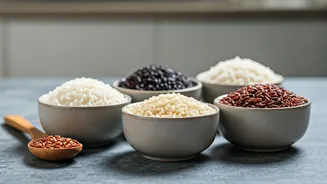
including these varieties in a diet. Both are refined grains, meaning they’ve had their outer layers removed during processing. This process strips away some fiber and nutrients, making them digest faster than whole grains. When consumed in excess, white and basmati rice can cause spikes in blood sugar levels. However, this doesn't mean you must banish them from your diet. Portion control is key. A moderate serving alongside other fiber-rich foods, such as vegetables and lean proteins, can help balance the effects. Furthermore, choosing smaller portions and combining them with healthy fats and proteins can slow down the digestion process, preventing rapid blood sugar increases. These rice varieties can still be enjoyed as part of a varied and balanced eating plan.
Black Rice: Ancient Powerhouse
Black rice, also known as 'forbidden rice,' stands out as a nutritional superstar. Unlike white or basmati rice, black rice retains its bran layer, which is packed with antioxidants, fiber, and vital nutrients. This makes it a great choice for those looking to add more health benefits to their diet. The dark color of black rice comes from anthocyanins, powerful antioxidants associated with various health benefits, including reducing inflammation and protecting against chronic diseases. Black rice also offers a higher fiber content than refined rice, which helps to keep you feeling full for longer and aids in digestion. Furthermore, it has a lower glycemic index compared to white rice, resulting in a slower release of glucose into the bloodstream, which is beneficial for managing blood sugar levels. Incorporating black rice into your diet is a simple way to boost nutrient intake and support overall health and well-being. Consider it a tasty and beneficial swap for your usual rice.
Red Rice: Metabolic Marvel
Red rice presents another excellent option for health-conscious eaters. This variety earns its vibrant color from the presence of anthocyanins, much like black rice. These antioxidants are potent allies in combating oxidative stress and cell damage, contributing to overall health. Furthermore, red rice has a higher fiber content compared to white rice, helping to improve digestion and keep you feeling satiated. Its fiber content also assists in stabilizing blood sugar levels, preventing the dramatic spikes often associated with refined grains. For those aiming to boost their metabolism, red rice can be an excellent addition. The nutrients within this variety may play a role in supporting metabolic function, making it a good choice for those focused on weight management. Integrating red rice into your diet, whether as a side dish or a base for your meals, can add both flavor and significant nutritional advantages to your daily intake.
Brown Rice: Fiber Champion
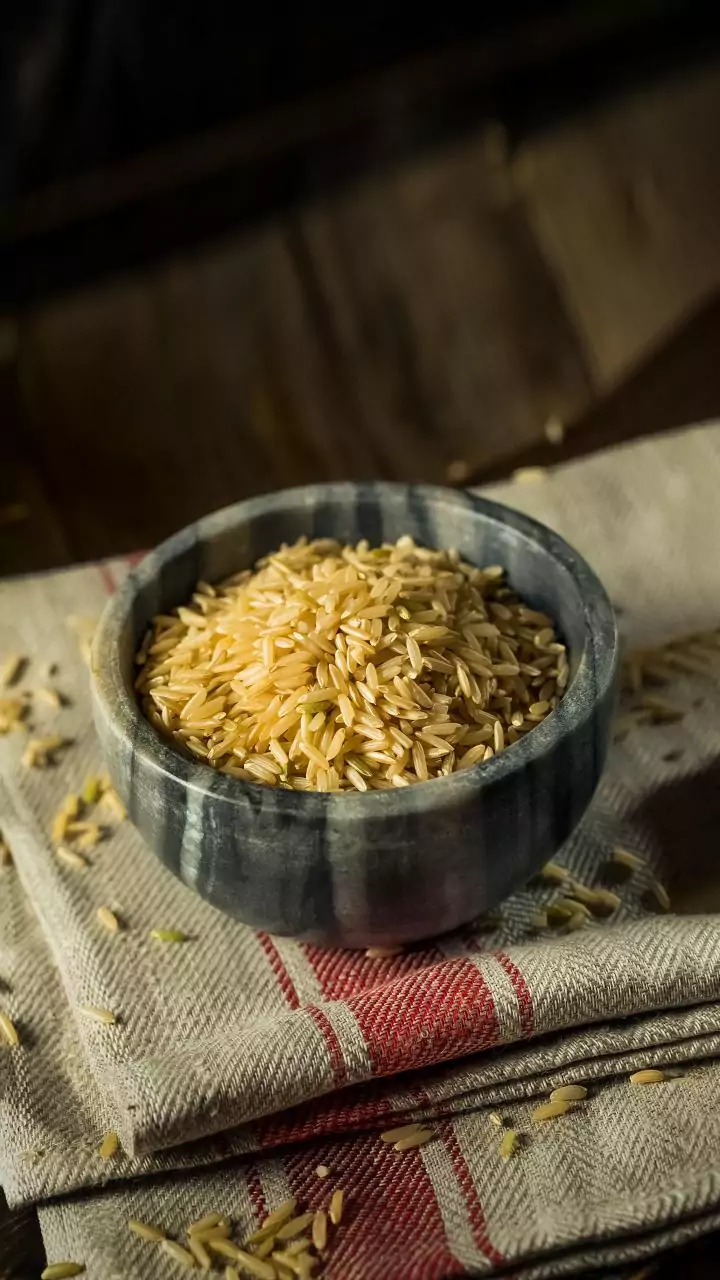
Brown rice stands as a nutritional powerhouse, celebrated for its high fiber content and numerous health advantages. Unlike white rice, brown rice still retains its bran layer, which is where many of the beneficial nutrients reside. Fiber is a crucial component of a balanced diet; it aids digestion, promotes satiety, and contributes to stable blood sugar levels. By choosing brown rice, you are not only gaining more fiber but also essential vitamins and minerals, which are often lost during the refining process of white rice. The slow digestion of brown rice makes it a filling food choice, helping you to feel full for longer and reducing the urge to snack between meals. For those seeking to manage their weight or improve their digestive health, brown rice is an excellent option. Its nutty flavor and satisfying texture make it a versatile choice for a range of meals, from simple side dishes to complex grain bowls. Swapping white rice for brown rice can be a beneficial step toward a healthier lifestyle.