





The Pitfalls of Haste
Many DIY enthusiasts embark on home improvement tasks with confidence, expecting straightforward execution. However, the journey from a simple idea, like
fixing a drawer or pruning a bush, often hits unexpected snags. These difficulties typically stem not from grand miscalculations, but from overlooked minor details. When these small oversights accumulate, they transform a manageable project into a time-consuming correction exercise. Experts consistently point to rushing through fundamental stages as a primary culprit, leading to extra hours spent rectifying errors rather than completing the initial task. A slight shift in approach, focusing on these often-neglected preliminary steps, can significantly alter the outcome and prevent unnecessary complications down the line, making the entire process more efficient and less stressful.
Cabinet Painting Pains
Transforming kitchen cabinets with a fresh coat of paint often appears deceptively simple, yet it's a common source of DIY frustration. The root of many subpar finishes lies in inadequate surface preparation. Failing to thoroughly clean and degrease the cabinets means imperfections and grease spots remain, creating a barrier that paint simply won't adhere to properly. This oversight results in a low-quality job that requires extensive rework. Just as crucial as the paint itself is the preparatory phase, involving cleaning, sanding, and priming, especially for surfaces like cabinetry. Investing sufficient time in these initial steps ensures a smooth, durable finish and prevents the disappointment of a job that needs to be redone, ultimately saving time and materials.
Gardening Tool Troubles
In the realm of home gardening, employing the wrong tools can create as many problems as it solves. Attempting to prune plants with dull shears, for instance, not only makes the task arduous but can also inflict damage on the plant itself, hindering its health and recovery. This improper tool usage can lead to a neglected garden over time. Research consistently shows that utilizing the appropriate tools at the right moment significantly boosts plant vitality and minimizes damage. Studies, such as one published in Horticultural Science, highlight that correct pruning techniques and timing enable plants to recuperate faster and foster more robust growth. Therefore, selecting the right equipment for each gardening task is paramount for both efficiency and the well-being of your plants.
Planning and Safety Lapses
A significant error preceding many DIY endeavors is diving straight into the repair or improvement process without thorough planning. While online tutorials often simplify complex tasks, they frequently omit a complete picture of the necessary steps, preparation, and safety precautions. Many individuals overlook critical aspects like ensuring they have all the required tools and materials, understanding potential hazards, or implementing safety measures. This lack of foresight can make a task unnecessarily complicated and extend the project duration significantly. Neglecting safety, in particular, can lead to accidents or damage, turning a simple fix into a major problem. A well-structured plan, incorporating a safety checklist, is essential for a smooth and successful DIY outcome.
Tool Misuse and Maintenance
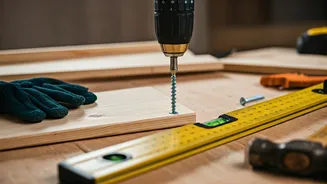
A common and often unconscious mistake made by DIYers is using tools for purposes they were not designed for, such as employing a screwdriver as a makeshift lever. This misuse not only leads to inefficiency but also increases the risk of damaging the equipment. Similarly, using dull or poorly maintained tools, like a worn-out blade, can make tasks unnecessarily difficult and compromise the quality of the work. Following guidance from home improvement experts, it is highly recommended to use tools as intended and to perform regular maintenance. This ensures their longevity, enhances performance, and prevents frustration and potential injury, contributing to a more positive DIY experience.
The Power of Final Touches
When projects face delays or become tedious, the final details often get relegated to an afterthought. However, these small elements, like cabinet knobs, hardware, or under-cabinet lighting, have a substantial impact on both the aesthetic appeal and the functional usability of a space. Adding these finishing touches, according to home improvement advice, doesn't necessarily require significant investment or effort but can dramatically enhance the perceived value and enjoyment of a property. These details contribute to a polished look and improved functionality, making the overall project feel more complete and satisfying, and ultimately increasing the homeowner's satisfaction with the outcome.
Combating Mental Fatigue
A pervasive factor contributing to many DIY mistakes is mental fatigue. Research in psychology suggests that as our mental energy depletes, our decision-making abilities tend to falter. In the context of DIY, this manifests as skipping crucial steps, rushing through tasks, or opting for quicker, less durable solutions. When feeling mentally drained, individuals are more prone to errors that can compromise the integrity and longevity of their projects. Recognizing this can help, prompting a need for breaks and ensuring tasks are tackled when mental resources are replenished. Prioritizing rest and approaching projects with a clear mind is vital for maintaining quality and avoiding cumulative errors.