




Global Launch Network
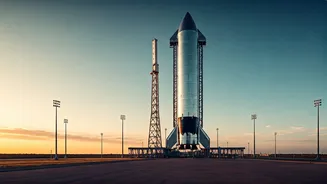
SpaceX, the aerospace giant behind the revolutionary Starship megarocket, is on an expansive quest to establish a global network of launch sites. The company's
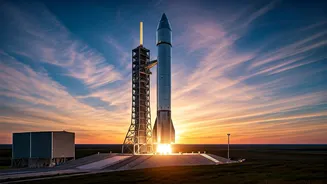
ambitious vision for Starship includes facilitating humanity's settlement on the Moon and Mars, a goal that necessitates an unprecedented launch frequency, potentially reaching thousands of flights annually. To support this monumental undertaking, SpaceX is actively investigating numerous potential locations for future liftoffs, both within the United States and across international territories. This strategic pursuit of diverse launch facilities underscores the sheer scale of Starship's intended operations and its pivotal role in future deep-space endeavors.
Domestic Expansion Efforts
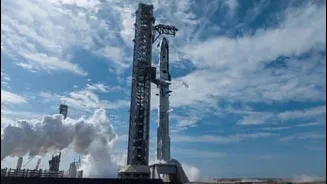
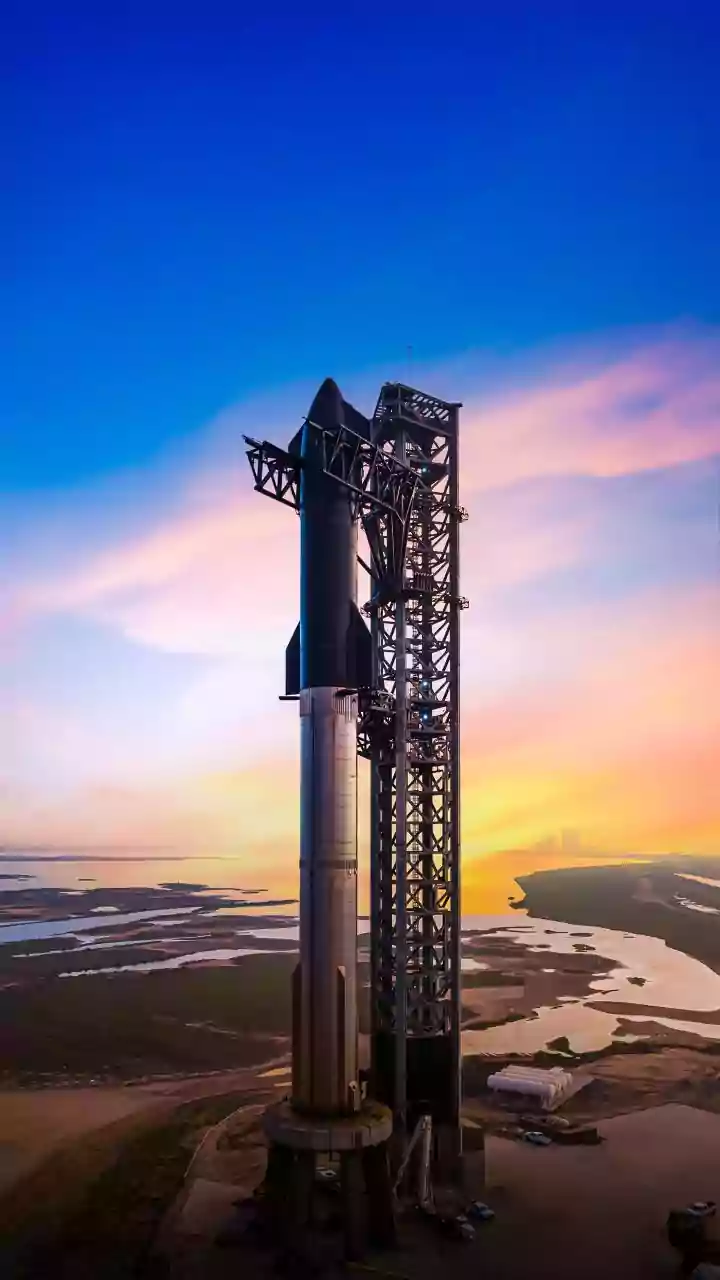
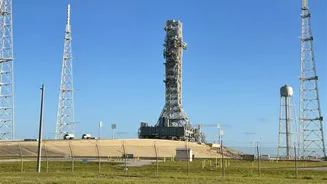
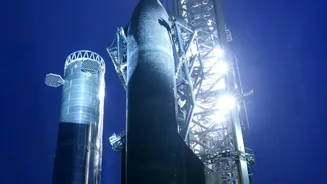
Currently, Starship's sole launch site is Starbase in Boca Chica, Texas, the hub for its manufacturing and all 11 test flights conducted to date. However, SpaceX is also making significant strides in diversifying its domestic launch capabilities. The company is actively modifying three launch pads in the Cape Canaveral, Florida area. These include Pad 39A at NASA's Kennedy Space Center, along with Launch Complex 37-A and 37-B at Cape Canaveral Space Force Station. These enhancements are specifically designed to accommodate Starship launches, with the possibility of the first liftoff from Florida occurring later this year, provided all development schedules align perfectly. Furthermore, Starbase itself is enhancing its infrastructure with a second launch mount, poised for its inaugural use with Starship Flight 12, which is also set to debut the advanced Starship Version 3, capable of lunar and deep-space missions.
International Launch Considerations
While domestic expansion is underway, SpaceX is also looking beyond U.S. soil for potential launch locations. Developing new sites overseas presents distinct logistical and regulatory advantages, despite initial complexities. The U.S. government categorizes rockets as sensitive national-security technology, subjecting launches to stringent International Traffic in Arms Regulations (ITAR). American companies aiming to launch from foreign territory must navigate a complex web of bureaucratic procedures. However, these hurdles can be significantly eased through the establishment of Trade Security Agreements (TSA) between nations. This opens up possibilities for SpaceX to explore sites in countries like Norway, New Zealand, Australia, the United Kingdom, and Brazil, all of which have existing TSAs with the U.S. This international approach mirrors existing practices, as seen with Rocket Lab's operations in New Zealand, demonstrating the viability of foreign launch infrastructure for American space ventures.
Strategic Site Acquisition Rumors
Recent discussions and rumors have highlighted potential real estate acquisitions that could support SpaceX's growing infrastructure needs. One notable rumor involves the potential acquisition of approximately 212 square miles (550 square kilometers) of land in coastal Louisiana. This specific parcel is strategically located near the Freshwater City boat launch, featuring a plot readily convertible for port operations. Crucially, it offers direct access to the Intercoastal Canal and the Gulf of Mexico, a prime location for maritime logistics. Its geographic positioning, situated roughly halfway between existing launch sites in Boca Chica, Texas, and Cape Canaveral, Florida, suggests a thoughtful approach to expanding the company's launch footprint within the United States.