






The Desk Job Connection
A significant factor contributing to the alarming rise of Non-Alcoholic Fatty Liver Disease (NAFLD), now termed Metabolic Dysfunction-Associated Steatotic
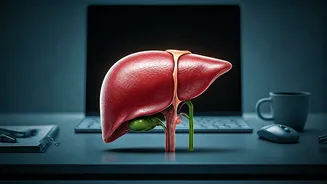
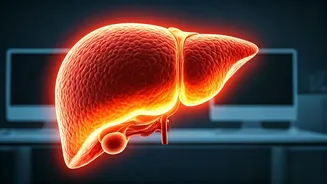
Liver Disease (MASLD), among young Indian adults is the modern work culture. Many professionals dedicate 7 to 9 hours or even more of their day to sitting at a desk. This prolonged sedentary behaviour is not merely a lifestyle choice but a physiological challenge. Extended periods of inactivity can lead to a noticeable slowdown in metabolism, which in turn encourages the body to store more fat. Crucially, it also contributes to increased insulin resistance, a primary mechanism that drives the accumulation of fat within the liver. This makes individuals, even those in their 20s, 30s, and 40s, susceptible to developing liver issues that were once considered rare in this age group and primarily linked to alcohol consumption or older demographics.
Unhealthy Habits Fueling Fat
Beyond prolonged sitting, a constellation of unhealthy lifestyle choices further exacerbates the risk of fatty liver disease in young Indians. Irregular meal timings, often dictated by demanding work schedules and tight deadlines, play a significant role. Skipping breakfast, a critical meal for kick-starting metabolism, and frequent reliance on junk food for convenience and quick energy contribute to poor nutritional intake. Diets that are excessively high in sugars and refined carbohydrates are particularly detrimental, as they directly promote the buildup of excess fat within the liver's cells. Furthermore, inadequate sleep, which disrupts the body's natural metabolic balance, adds another layer of risk. The cumulative effect of these poor eating habits, combined with chronic stress and a general lack of physical activity, creates a fertile ground for the development of fatty liver and can also elevate the risk of serious cardiovascular issues.
The Silent Progression
Fatty liver disease is often described as a 'silent' condition due to its subtle presentation in its nascent stages. Many individuals remain unaware of the brewing problem because the initial symptoms are often vague and easily dismissed. Common complaints might include persistent feelings of fatigue, a sensation of heaviness in the abdomen after meals, or mild, transient discomfort. These signs are frequently mistaken for everyday digestive disturbances or general tiredness, leading to them being overlooked. This lack of early recognition allows the disease to advance stealthily, potentially causing significant damage to the liver before any serious concerns are raised or medical attention is sought.
Wider Health Implications
The consequences of excess fat accumulation in the liver extend far beyond the organ itself, impacting the body's overall metabolic health. A fatty liver impairs the body's ability to effectively regulate crucial functions such as blood sugar levels, cholesterol management, and the body's inflammatory responses. Over an extended period, this disruption significantly escalates the likelihood of developing serious chronic conditions. These include Type 2 diabetes, which arises from impaired glucose regulation, hypertension or high blood pressure, and various cardiovascular diseases, which are linked to poor cholesterol control and inflammation. In some cases, the strain on the body's systems can even lead to complications affecting kidney health, underscoring the systemic impact of this liver condition.
Empowering Prevention Strategies
Fortunately, the progression of fatty liver disease can be significantly mitigated and often reversed through the adoption of proactive lifestyle changes. A fundamental step is to actively combat prolonged sedentary periods; incorporating short walking breaks and engaging in regular stretching exercises throughout the workday is highly recommended. Simple actions, such as opting to stand during meetings when feasible, can also make a difference. Diet plays a pivotal role, emphasizing the consumption of balanced meals rich in lean proteins, whole grains, and a variety of vegetables. Regular health monitoring, including periodic checks of blood sugar levels and liver function tests, is essential for early detection and management. Should persistent or concerning abdominal discomfort arise, seeking timely consultation with a healthcare professional is crucial for accurate diagnosis and appropriate guidance.