





A Welcoming Heritage
The initial impression of Diya Kumari's Jaipur residence is one of profound hospitality, deeply rooted in Rajasthani traditions. Upon entering, guests
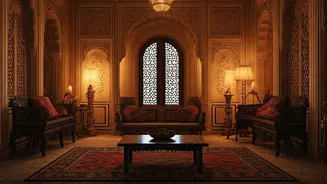
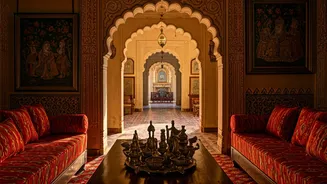
are greeted with a ceremonial welcome, embodying the ethos of 'atithi devo bhava,' where the guest is revered. This cultural pride is not merely symbolic; it permeates the entire home, influencing everything from the artworks displayed to the overall ambiance. From a psychological perspective, such environments significantly shape our self-perception and sense of belonging. When a dwelling artfully integrates elements of cultural heritage, it transforms into more than just a physical space; it becomes a tangible repository of memories and a cornerstone of identity. Surrounded by artifacts that echo one's history and cultural roots, individuals often experience a reinforced sense of grounding and emotional stability. This connection to heritage fosters a deeper understanding of one's place in the world, creating a sense of continuity that is psychologically reassuring and grounding.
Walls Narrating History
The walls of Diya Kumari's home are adorned with pieces that resonate with Rajasthan's storied past, most notably a painting of the iconic Amber Fort. This artwork, for Kumari, transcends mere decoration; it carries the weight of historical significance, marking Amber as the former capital before Jaipur's establishment. This connection extends to a broader appreciation of Rajasthan's architectural grandeur, with mentions of formidable forts like Kumbhalgarh, Chittorgarh, and the desert citadel of Jaisalmer. Each structure, she notes, narrates a unique chapter of the state's glorious history. The fort of Kumbhalgarh, in particular, is highlighted for its impressive scale, noted as having the second-longest wall in the world after the Great Wall of China. Such immersion in regional landscapes and history fosters a profound sense of pride, linking individuals to a narrative larger than personal accomplishments. These cultural symbols act as potent reminders of ancestry, collective values, and traditions, thereby bolstering self-identity and contributing to emotional equilibrium.
Personal Touches Abound
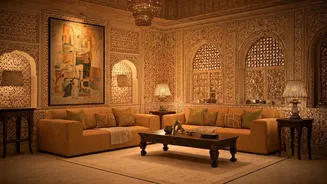
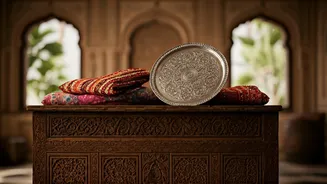
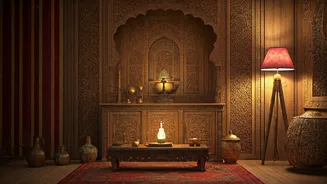
Despite being an official residence, Diya Kumari has meticulously infused her Jaipur home with a distinct personal design philosophy, emphasizing local handicrafts and artistry. Visitors can observe numerous paintings that were not part of the original setup, reflecting her personal curation. The decor is a thoughtful blend of traditional Rajasthani elements, including cushions featuring Sanganeri prints, intricate blue pottery displays, and carefully framed miniature paintings, an art form for which Rajasthan is internationally acclaimed. Kumari's conscious effort to incorporate these local crafts underscores a deep appreciation for the region's artistic heritage. A particularly striking piece is a blue pottery rendition of Srinathji, artfully merging devotional imagery with the renowned ceramic tradition of Jaipur. This integration of personal taste with cultural artifacts creates an environment that is both unique and deeply rooted in its locale.
Spiritual Connections Beyond
While the residence is rich with Rajasthani artistry, it also embraces spiritual connections that extend beyond the state's borders. One corner features a serene painting of the Varanasi ghats, a piece that holds significant personal and historical meaning for Kumari. Her family's lineage is historically linked to Varanasi, notably through Raja Man Singh's contributions, including the construction of Man Ghat and support for the Kashi Vishwanath Temple. Kumari finds this painting deeply beautiful and spiritual, often using it as a focal point for morning reflection and work. This artwork transforms the space into more than just an aesthetic element; it becomes a contemplative sanctuary, offering peace and a moment of pause amidst the demands of public life. The presence of such artwork highlights how personal sanctuaries can integrate diverse cultural and spiritual influences within a home.
The Office Sanctuary
Paradoxically, amidst the visually rich and aesthetically curated spaces, Diya Kumari's favorite spot in her Jaipur home is her office. She describes it as a place where she finds significant peace and can work undisturbed, a testament to its function as both a workspace and a personal sanctuary. For a public figure balancing numerous responsibilities, such a dedicated area is crucial for maintaining emotional balance and productivity. Psychologically, personal corners like this offer a sense of control and safety, allowing for a retreat from social roles and external pressures. These restorative spaces are vital for emotional regulation and mental clarity, enabling individuals to recharge before re-engaging with more social aspects of their lives. The office, therefore, serves as a critical zone for focus, creativity, and overall well-being.
Treasures from Travels
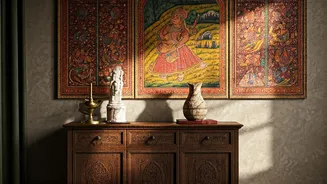
Another sunlit area within the residence showcases a collection of art acquired from various travels, both within India and internationally. Kumari's practice of collecting art from new destinations reflects a broader belief in supporting artisans and their craft. By acquiring these pieces, she not only personalizes her home but also provides much-needed exposure and recognition to talented artists. This approach transforms her residence into a quiet gallery, celebrating diverse craft traditions from around the world. Beyond personal mementos, this practice highlights a conscious effort to appreciate and preserve artisanal skills, turning travel souvenirs into meaningful connections to different cultures and creators. The vibrant display of these collected works adds another layer of narrative and aesthetic richness to the home.
Courtyard Living's Light
The architectural design of the house incorporates an open courtyard, a characteristic feature of traditional Indian homes, which bathes the surrounding rooms in natural light. Kumari expresses her fondness for this feature, noting the pleasant, light, and airy atmosphere it creates. This element harks back to older Indian housing styles, where architectural choices were deeply intertwined with climate adaptation and daily living patterns. From a psychological standpoint, such light-filled, open spaces act as effective 'mental reset zones.' They provide opportunities for individuals to temporarily step away from social demands and external expectations, facilitating essential moments of solitude. These periods of quiet reflection are crucial for emotional regulation and achieving mental clarity, helping to mitigate cognitive overload that can arise from constant social interaction or environmental stimulation.
Heirlooms' Enduring Stories
Beyond the visual arts and interior decor, Diya Kumari's personal wardrobe also serves as a powerful repository of inherited history, particularly through her extensive saree collection. Many of these cherished pieces are not new acquisitions but have been passed down from her grandmother and mother, carrying with them generations of memories and sentimental value. Additionally, sarees received as gifts further add to this collection, reflecting a deep personal fondness for the garment. Kumari also enjoys acquiring unique sarees during her travels, viewing each one as a tangible piece of a place or experience. This practice of preserving and collecting heirlooms underscores a profound connection to family history and tradition, integrating these personal legacies into her daily life and personal expression.