







Why Start from Seed?
Embarking on your hanging flower journey by starting from seed offers distinct advantages, especially for budding gardeners in India. Beyond the significant
cost savings compared to purchasing mature plants, growing from seed unlocks a vast spectrum of floral varieties not commonly found in local nurseries. This early start allows plants to acclimate to your specific climate from their nascent stages, fostering robust health and resilience. Furthermore, it provides the unique opportunity to select seasonal blooms perfectly suited to India's diverse weather patterns, ensuring a vibrant display throughout the year. This method grants you complete creative control over your garden's aesthetic, leading to a deeply satisfying and personalised gardening experience.
Choosing Ideal Plants
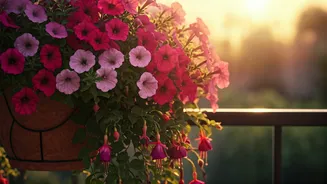
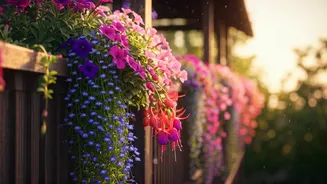
Not every bloom is cut out for the cascade of a hanging basket. For a successful and aesthetically pleasing display, select varieties that either gracefully trail downwards or grow in a compact, bushy manner without becoming overly weighty for their suspension. India offers several beginner-friendly options that thrive in hanging conditions. Consider the cheerful Petunia, the sun-loving Portulaca (Moss Rose), the versatile Verbena, and the fragrant Alyssum. For cooler periods, Pansies are an excellent choice. Nasturtiums provide vibrant colour, while annual Phlox and Dianthus add charm. Lobelia offers delicate blue hues, and Balsam (Impatiens) is perfect for shaded nooks. To achieve a lush, full appearance, combine trailing beauties like Petunias with mounding fillers such as Alyssum.
Timing Your Sowing
The opportune moment to sow your hanging flower seeds in India is intrinsically linked to the prevailing seasons. For the vibrant hues of winter blooms, aim to sow seeds between September and October, giving them ample time to establish before the colder months set in. As winter wanes and the warmth of summer approaches, the ideal window for sowing summer-flowering varieties is from January to February. Plants like Portulaca, known for their resilience, can be sown just before the monsoon season arrives, ensuring they benefit from the early rains. While these guidelines are helpful, always consult the specific seed packet for precise timing recommendations, as India's varied climatic zones may necessitate slight adjustments to ensure optimal germination and growth.
Basket and Soil Prep
Selecting the appropriate hanging basket and preparing a suitable potting mix are foundational steps for successful seed germination. Ensure your chosen basket is equipped with adequate drainage holes to prevent waterlogging, a common pitfall for delicate seedlings. Materials like plastic, coir-lined, or metal baskets are all viable options, with the primary consideration being their depth; generally, a depth of 6 to 8 inches is sufficient for most flowering plants. The potting mix should be light and well-draining to facilitate root development. A simple yet effective homemade mix can be created by combining 40 percent garden soil, 30 percent compost or vermicompost for nutrients, and 30 percent cocopeat or sand to enhance aeration and drainage. This blend provides the ideal environment for young plants to thrive.
Sowing Seeds Correctly
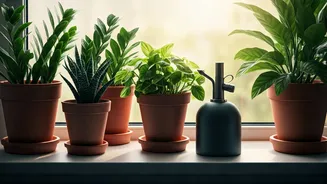
Planting your flower seeds with care is crucial for their initial development. Avoid burying seeds too deeply, as most are small and require light to trigger germination. Instead, gently sprinkle the seeds evenly across the surface of your prepared potting mix. Cover them with a very thin layer of soil or cocopeat, just enough to provide a bit of protection. After sowing, lightly press the surface to ensure good contact between the seeds and the soil, which aids in moisture absorption. Crucially, water the newly sown seeds using a spray bottle. This gentle method prevents dislodging the seeds and ensures consistent moisture without disrupting their delicate placement.
Germination Conditions
Once sown, providing the correct environment for germination is key to a successful start. Place your hanging basket in a bright location, but initially shield it from harsh, direct sunlight, which can be too intense for fragile emerging seedlings. It's vital to maintain a consistently moist soil environment, without allowing it to become waterlogged. Germination typically occurs within 5 to 14 days, depending on the specific flower variety. As soon as the first delicate seedlings emerge, begin to gradually expose them to more sunlight. For young plants, particularly in India's strong climate, morning sunlight is often the most beneficial, promoting healthy growth without causing stress.
Thinning Seedlings
As your seedlings grow and develop their first set of true leaves, they may begin to appear crowded within the confines of the hanging basket. This is the opportune moment to practice thinning. Carefully remove the weaker or leggy seedlings, leaving more space for the stronger ones to flourish. This crucial step prevents competition for light, water, and nutrients, ensuring that the remaining plants can develop robust root systems and healthy foliage. Adequate spacing is paramount for the overall success and visual appeal of your hanging flower display, allowing each plant to reach its full potential.
Feeding Your Plants
Approximately two to three weeks after germination, your young plants will benefit from a gentle feeding regimen to support their ongoing growth. Opt for mild fertilisers to avoid overwhelming their developing root systems. Excellent options include liquid compost tea, a diluted solution of cow dung manure, or a balanced liquid fertiliser applied sparingly every 10 to 15 days. It's essential to remember that over-fertilisation can be detrimental, potentially causing damage to delicate young roots. Regular, gentle nourishment will help your hanging flowers develop strong stems and abundant blooms.
Watering and Sunlight
Hanging baskets are notorious for drying out much faster than plants in the ground, a characteristic that is amplified during India's hot summer months. Therefore, diligent watering is essential; daily watering is often necessary in summer, while reduced frequency will suffice during cooler winter periods. Always ensure that any excess water can freely drain away from the roots. Most flowering plants require a minimum of 4 to 6 hours of sunlight each day to thrive and produce abundant blooms. To ensure even growth and prevent lopsided development, remember to rotate the basket periodically, allowing all sides to receive equitable light exposure.
Encouraging More Blooms
To maintain a consistently full and vibrant display, consistent care focused on encouraging new growth is vital. Regularly 'deadhead' your plants by pinching off spent flowers; this action prompts the plant to redirect its energy into producing more blossoms. Additionally, trim any leggy or overgrown stems to help the plant maintain a desirable shape and encourage bushier growth. Vigilance against common garden pests is also important. Frequently inspect your plants for signs of infestation, such as aphids, and address any issues promptly. A natural solution like neem oil spray can effectively manage many common pests without harming your plants or the environment.