
Embracing Plant-Based Cuisine
Plant-based cooking has gained immense popularity, attracting both vegans and individuals seeking healthier eating habits. Its core principle revolves
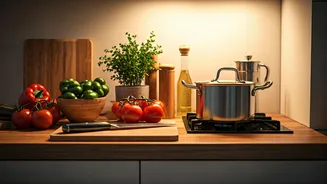
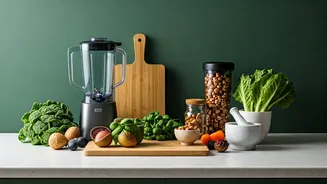
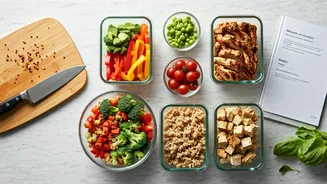
around utilizing ingredients exclusively sourced from plants, encompassing fruits, vegetables, legumes, grains, nuts, and seeds. This culinary approach not only aligns with ethical and environmental consciousness but also offers diverse flavors and nutritional advantages. The popularity stems from its flexibility, with plant-based recipes easily adapted to suit different preferences. By embracing plant-based cuisine, individuals gain the opportunity to explore a wider spectrum of flavors and textures, fostering creativity in the kitchen. Learning to cook plant-based meals opens the door to a world of delicious possibilities. This approach encourages a deeper appreciation for fresh ingredients, allowing you to create dishes that are not only delicious but also beneficial for your overall well-being. Furthermore, cooking plant-based meals provides the chance to experiment with new ingredients, expanding your culinary horizons.
Essential Cooking Techniques
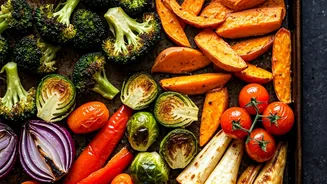
Mastering plant-based cooking involves key techniques like proper ingredient preparation, such as washing, chopping, and soaking beans. The art of sautéing vegetables to perfection by ensuring a slight browning for enhanced flavor is vital. Experimenting with various cooking methods, including roasting, grilling, and steaming, also plays a crucial role. For example, roasting vegetables brings out natural sweetness, while steaming preserves nutrients. Understanding the proper use of spices and herbs is equally important to create complex and layered flavors. Building a solid foundation in these essential techniques significantly elevates the taste and appeal of plant-based meals. The integration of these techniques allows for the creation of flavorful and satisfying dishes that cater to different palates. From delicate tofu scrambles to hearty lentil stews, embracing these techniques provides versatility in the kitchen. Focusing on these foundational skills will result in more enjoyable and healthy meals that showcase the true potential of plant-based cooking.
Crafting Flavorful Dishes
The cornerstone of flavorful plant-based dishes lies in maximizing the taste potential of each ingredient. The art of enhancing flavor involves using aromatic herbs, spices, and seasonings thoughtfully. Experimenting with various flavor combinations, such as sweet, savory, and spicy, adds depth and complexity to your meals. Another important aspect is mastering the use of flavor-enhancing ingredients, like garlic, ginger, and onions, which form the base of many delicious dishes. Don't underestimate the impact of acidic elements such as lemon juice, vinegars, and tomatoes, which brighten and balance flavors. In plant-based cuisine, umami can be achieved through ingredients such as mushrooms, seaweed, and soy sauce, resulting in rich, savory tastes. By employing these techniques and ingredients, you can effortlessly craft plant-based meals that are both delicious and captivating. Furthermore, adjusting seasonings carefully is crucial, as is taste-testing throughout the cooking process. Enhancing the flavors of the ingredients can lead to creating healthy and delicious meals.
Pancakes & Waffles Reimagined
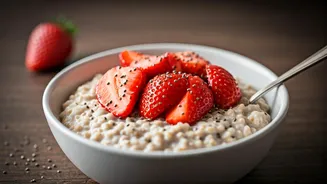
Making pancakes and waffles can be adapted to be plant-based while maintaining their deliciousness. The key lies in substituting traditional ingredients with plant-based alternatives. Replace eggs with flaxseed or chia seeds mixed with water, which acts as a binder. For milk, plant-based options such as almond, soy, or oat milk work well. Additionally, you can swap butter for coconut oil or vegan butter to add richness. When it comes to flour, the use of whole wheat, spelt, or gluten-free flour can enhance both flavor and nutritional value. For added flavor and texture, consider adding ingredients like mashed bananas, applesauce, or spices such as cinnamon and nutmeg. Experimenting with different combinations and tweaking the recipe can lead to the perfect pancake or waffle, offering a healthy and delectable breakfast option. These modifications ensure a delightful start to your day.
Vegan Charcuterie Board Magic
Creating an epic vegan charcuterie board is easier than you may think. Start with a selection of plant-based cheeses made from nuts, seeds, or soy, offering a range of textures and flavors. Include a variety of cured meats, such as vegan pepperoni or salami, providing a savory element. Incorporate fresh and dried fruits, like grapes, berries, and apricots, to add sweetness and color. Add crackers, breads, and nuts, such as almonds or walnuts, to offer crunch and variety. Including olives, pickles, and marinated vegetables provides a mix of textures and tangy flavors. Arrange your board creatively, using different heights and textures for visual appeal. A well-designed vegan charcuterie board is a crowd-pleaser and a great way to explore different vegan ingredients. The balance of flavors and textures is key to a truly enjoyable experience.