


Sunscreen: Your Daily Shield
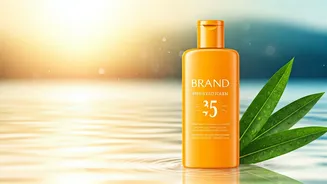
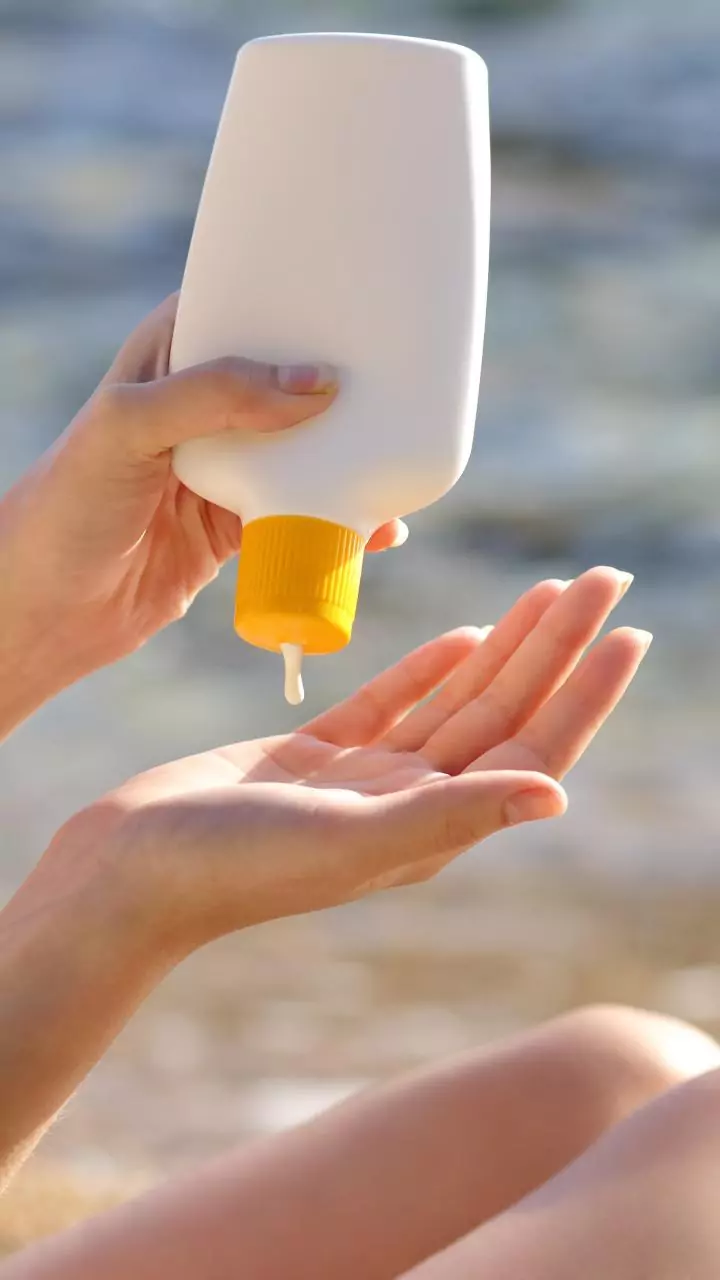
The foremost defence against the sun's harmful rays is daily sunscreen application. Dermatologists stress its importance in preventing tanning, pigmentation,
and premature aging, while also reducing the risk of skin cancer. When selecting a sunscreen, prioritize broad-spectrum formulas that guard against both UVA and UVB rays, with an SPF of 30 or higher, and ideally SPF 50 for extended sun exposure. Generous reapplication is key – every two hours, and more often if you're swimming or sweating heavily. Ensure all exposed areas, from your face and neck to your arms and legs, receive adequate protection.
Hydration & Cooling Tactics
Maintaining your skin's moisture is crucial, especially during intense heat. Dehydration can leave your complexion looking dull and exacerbate sun exposure effects. To combat this, drink at least 8-10 glasses of water daily and incorporate water-rich fruits and vegetables like watermelon and cucumber into your diet. Cool showers or baths can effectively lower body temperature and soothe your skin. Additionally, keeping a hydrating facial mist handy allows for refreshing and moisturizing your skin throughout the day, providing a much-needed boost.
Protective Clothing & Accessories
Beyond topical protection, physical barriers offer essential defence against the sun. Opt for lightweight, long-sleeved shirts and pants made from breathable fabrics such as cotton or linen. Complementing this, wide-brimmed hats are vital for shielding your face and neck from direct sunlight, while UV-protective sunglasses safeguard your eyes and the delicate skin surrounding them. Making a conscious effort to seek shade, particularly between 10 am and 4 pm when the sun's rays are strongest, significantly reduces your exposure and risk of damage.
Post-Sun Care Essentials
Even with the best precautions, some sun exposure is often unavoidable. To care for your skin afterward, pure aloe vera gel is an excellent choice for soothing sunburned or irritated areas. Following up with a gentle, hydrating moisturizer helps replenish lost moisture and restore your skin's natural barrier. It's also important to avoid harsh products like strong soaps or exfoliants, as these can further irritate sun-exposed skin and hinder its recovery process, ensuring a calmer and more comfortable post-sun experience.
Tackling Pigmentation & Tan
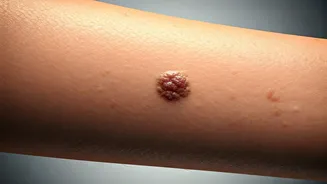
While prevention is paramount, addressing existing tanning and pigmentation is also a concern for many. Dermatologists suggest topical treatments like Vitamin C serums and retinoids, or in some cases, hydroquinone under strict medical supervision, to help lighten dark spots and even out skin tone. For more stubborn pigmentation, professional interventions such as chemical peels or laser treatments can be highly effective. Consulting a dermatologist is vital for personalized treatment plans, especially for persistent issues, ensuring safe and effective resolution.