
What is Cosmetic Acupuncture?
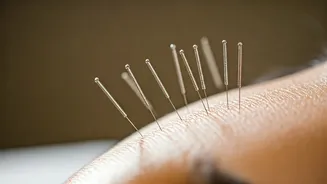
Cosmetic acupuncture is a specialized form of acupuncture focused on enhancing facial appearance and promoting overall well-being. It involves inserting
very thin needles into specific points on the face and body. These points are selected based on traditional Chinese medicine principles, which aim to stimulate the body's natural healing processes and improve the flow of energy, known as qi. The treatment is often touted as a natural alternative to cosmetic procedures like Botox and fillers. The technique is thought to stimulate collagen production, improve blood circulation, and reduce muscle tension. Some practitioners also claim it can help with issues such as acne, wrinkles, and skin tone. The process typically involves a series of sessions, with each lasting approximately an hour. This series will bring lasting effects to the skin and its appearance.
Benefits for the Face
Advocates of cosmetic acupuncture claim it can lead to several aesthetic improvements. One of the most common benefits mentioned is a reduction in wrinkles and fine lines. By stimulating collagen production, the skin becomes firmer and more elastic, which helps to smooth out existing wrinkles and prevent new ones from forming. This can result in a more youthful appearance without resorting to invasive procedures. Beyond wrinkle reduction, cosmetic acupuncture is also believed to improve skin tone and texture. Increased blood circulation brings essential nutrients and oxygen to the skin, leading to a healthier glow and a more even complexion. The procedure has the potential to address issues such as acne, scarring, and pigmentation. Many individuals have also reported a visible lift in the face due to the relaxation of facial muscles and the stimulation of collagen. This natural face-lift effect is a key reason for the popularity of this technique.
Body Detox Claims Debunked
While cosmetic acupuncture is primarily focused on facial rejuvenation, some practitioners promote its use for body detoxification. They claim that the procedure can support the liver and kidneys. However, the concept of detoxifying the body through acupuncture lacks robust scientific evidence. The liver and kidneys are the primary organs responsible for detoxification. They perform their functions effectively on their own. The idea that acupuncture can enhance these functions is speculative. Medical professionals emphasize the importance of maintaining a healthy lifestyle, including a balanced diet, adequate hydration, and regular exercise. These practices naturally support the body's detoxification processes. There is no conclusive evidence to support claims that acupuncture can replace or significantly improve the natural detoxification mechanisms of the body. Claims should be looked at with skepticism.
Ideal Candidates
Cosmetic acupuncture is suitable for people who are interested in a non-invasive approach to enhance their appearance. Individuals looking to reduce wrinkles, improve skin tone, and achieve a natural face-lift effect are potential candidates. People who are hesitant about surgical procedures or injectables may find cosmetic acupuncture to be an appealing alternative. The treatment is generally considered safe, but consulting with a qualified practitioner is essential to determine suitability. It's particularly beneficial for those with mild to moderate signs of aging. Younger people can also use this procedure as a preventative measure. Individuals with specific skin conditions or health concerns should consult with a dermatologist or healthcare provider before proceeding. It is important to have realistic expectations. Cosmetic acupuncture may not yield results comparable to more invasive treatments. However, it can provide a subtle yet noticeable improvement in overall skin appearance.
Is It Painless?
One of the key selling points of cosmetic acupuncture is its claim of being a painless procedure. The needles used are much thinner than those used for injections. This minimizes discomfort. Most individuals report minimal pain or sensation during the treatment. Some may feel a slight pinch or tingling sensation when the needles are inserted. However, this is usually temporary and well-tolerated. The practitioner's skill plays a crucial role in ensuring a comfortable experience. Experienced practitioners use gentle techniques. They adjust the needle placement to minimize discomfort. Psychological factors can also influence pain perception. A relaxed and trusting patient is more likely to experience a painless session. If you are worried about pain, open communication with the practitioner is key. Discuss any concerns you have beforehand.