






Fats and the Body
Ghee and oil, essential dietary components, are integral to various bodily functions. They provide energy, aid in nutrient absorption, and contribute to the
structure of cell membranes. Ghee, in particular, is a source of saturated fat, which, while often criticized, plays a role in hormone production and is considered beneficial in moderation. Conversely, oils, especially those derived from plants, are rich in unsaturated fats, which are considered heart-healthy. These fats offer omega-3 and omega-6 fatty acids, crucial for brain health and reducing inflammation. When these fats are abruptly removed, the body initiates a series of adaptations, which can be observed across various physiological systems. Understanding these initial impacts is crucial for individuals considering significant dietary changes, especially regarding fat intake.
Energy Levels Shift
One of the immediate effects of eliminating ghee and oil is a potential alteration in energy levels. Fats are a concentrated source of energy, and their absence can lead to feelings of fatigue, particularly during the initial adjustment period. The body will start using other sources like carbohydrates and stored fats to fuel itself. The liver produces ketones from fats, which the body starts using for energy. This adaptation can cause tiredness, which gradually stabilizes as the body gets used to the altered intake. Individuals may experience changes in appetite, possibly feeling hungrier between meals because of the lack of fat's satiating effect. Careful food choices are important, ensuring a balance of protein, carbohydrates, and healthy fats from other sources like avocados, nuts, or seeds, to support energy levels throughout the day.
Digestive System Impacts
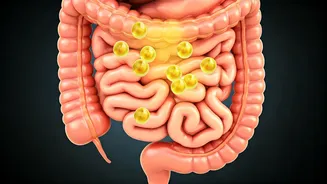
The digestive system also responds to changes in dietary fat intake. Fats play a crucial role in the absorption of fat-soluble vitamins (A, D, E, and K), and their absence might impact the absorption of these essential nutrients. Additionally, fats facilitate the movement of food through the digestive tract. Removing them might lead to changes in bowel movements. Some people might experience constipation because of a lack of lubrication, while others might experience looser stools as the digestive system adjusts to the new composition of food. The gallbladder, which stores bile needed to digest fats, might alter its activity levels. In the long term, adjustments could improve gut health because individuals might reduce their intake of processed foods and fried foods and turn to plant-based diets rich in fiber. Careful monitoring and adjustment of other dietary elements, such as increased fiber intake, are helpful to maintain digestive comfort during the adaptation phase.
Skin and Hormones
Fats affect skin health and hormone production. The skin's cell structure relies on fatty acids for structure and function. Removing ghee and oil can result in drier skin. The presence of essential fatty acids in the diet helps to maintain skin hydration and health. Moreover, fats are vital for producing hormones, like those in the reproductive system. The absence of sufficient fat intake can impact hormone balance, potentially affecting menstrual cycles in women. The body's ability to maintain optimal health is affected if there's an imbalance in hormone production. Replacing the intake with other healthy fats is important, supporting skin health, hormone balance, and overall well-being. Focusing on a diet rich in essential fatty acids from sources like avocados and nuts may help prevent these effects.
Long-Term Effects
The long-term effects of eliminating ghee and oil depend on the overall dietary and lifestyle habits. Cutting out these fats and not replacing them with other healthy sources can lead to malnutrition or nutrient deficiencies. However, when paired with a balanced diet, it can lead to health benefits. Reducing intake of saturated fats and processed foods, which are often high in unhealthy fats, can promote heart health and better cholesterol levels. People may experience a reduction in overall inflammation and a decrease in the risk of certain chronic diseases. The effect on weight management is complex, depending on caloric intake and activity levels. Careful planning and monitoring by healthcare professionals are very crucial to ensure that any dietary adjustments meet the individual needs for optimal long-term health.