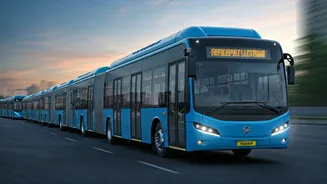








Safety as Priority
Safety emerges as the cornerstone of employee transportation within the Indian context. Ensuring secure travel for employees requires comprehensive strategies.
Companies need to implement stringent vehicle maintenance protocols, including routine inspections and timely repairs, to mitigate risks associated with breakdowns or mechanical failures. Moreover, driver training and continuous education play a pivotal role. Drivers must undergo thorough training programs, emphasizing defensive driving techniques, adherence to traffic regulations, and responsiveness to potential hazards. This ongoing training helps in minimizing accidents. Furthermore, route planning is crucial for safety. Detailed route analysis must factor in traffic density, road conditions, and security concerns, thereby enabling employers to choose safer, more efficient routes for employee commute. Regular monitoring and emergency response planning are also integral to the safety measures. Real-time tracking of vehicles and drivers enables prompt response to emergencies, coupled with well-defined protocols for incident management and first aid. Adhering to these guidelines creates a secure transportation system.
Technology Integration
Technology is revolutionizing employee transportation across India. The introduction of GPS tracking systems allows for real-time monitoring of vehicles, providing updates on location, speed, and potential delays. This improves operational efficiency and increases accountability. Mobile apps are being used more often by companies to streamline the commuting process, giving employees access to transportation schedules, route information, and the ability to book rides. Data analytics offers valuable insights to enhance transport management. Analyzing data on travel times, route performance, and employee preferences allows businesses to optimize resource allocation and improve service quality. The adoption of smart transport management systems is also on the rise, using automation to manage vehicle fleets, track driver performance, and enhance communication between employees and transportation providers. The goal is to maximize efficiency and minimize inefficiencies. This helps the transportation process to be more accessible, dependable, and responsive to the needs of the staff.
Sustainability Initiatives
Sustainable transportation is gaining prominence in India. Companies increasingly explore strategies to decrease their carbon footprint and promote environmental responsibility. Switching to electric vehicles (EVs) is a major move towards reducing emissions, as businesses gradually integrate electric buses and cars into their transport fleets. Implementing carpooling programs is another method to reduce the number of vehicles on the road, lessening congestion and lowering emissions. The promotion of public transport is also significant. Encouraging employees to utilize public transportation through incentives and support helps reduce reliance on private vehicles. Route optimization is essential to reduce fuel consumption and emissions, employing intelligent routing systems to minimize travel distances. By using alternative fuels and energy sources, businesses can further minimize their environmental impact, potentially using biofuels or renewable energy to power transport operations. These steps help promote both sustainability and environmentally conscious business practices.