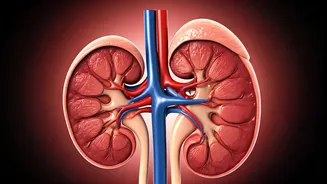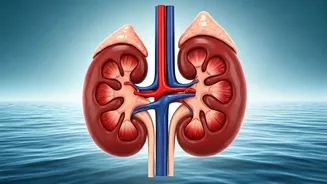








Hydration: Your Kidneys' Best Friend
Maintaining optimal kidney function hinges significantly on adequate fluid intake. Experts strongly advocate for consuming between 2.5 to 3.0 liters of
water daily, a crucial amount that ensures robust blood flow to the kidneys' intricate filtering systems. Insufficient hydration, often referred to as dehydration, poses a substantial risk, not only by potentially leading to the formation of painful kidney stones but also by causing a dip in blood pressure and diminishing the kidneys' overall efficiency. These detrimental effects can cumulatively pave the way for more serious kidney ailments. Therefore, making a conscious effort to drink enough water is a foundational step in preserving the health and proper operation of these vital organs.
Ditch the Salt Shaker
The temptation to add extra salt to meals for enhanced flavor is a common practice, but it's one that can significantly harm your kidneys. A diet restricted in salt, ideally keeping intake below 4 grams per day, is paramount for managing blood pressure effectively. This moderation is also vital to prevent excessive protein from leaking through the delicate kidney filters, reduce the likelihood of fluid retention and swelling, and crucially, to slow down the progression of any existing kidney disease. Beyond table salt, be mindful of hidden sodium in processed foods, condiments, packaged meats, and salty snacks. Prioritizing home-cooked meals, where you have greater control over sodium content, is a much healthier approach. Furthermore, while protein is essential, excessive intake, particularly from supplements like whey protein, can place undue stress on the kidneys' delicate blood capillary networks, necessitating a balanced and moderated consumption as recommended by health organizations.
Embrace a Smoke-Free Life
The detrimental effects of smoking on overall health are widely acknowledged, and its impact on kidney function is no exception. Nicotine and other toxins present in cigarette smoke are directly harmful to the kidney's filtering units, potentially impairing blood flow to the kidneys and increasing the risk of developing kidney cancers. Despite the established health risks, smoking remains a prevalent habit for many. It is imperative to reiterate that quitting smoking is one of the most impactful actions an individual can take to protect their kidneys from direct damage and reduce the long-term threat of serious kidney-related diseases.
Move Your Body Daily
Regular physical activity is a cornerstone of maintaining good health, and its benefits extend significantly to kidney well-being. Engaging in consistent exercise helps manage body weight, which is critical as excess weight or obesity can place considerable strain on the kidneys, increasing the risk of high blood pressure and diabetes, both major contributors to kidney damage. Aiming for a healthy Body Mass Index (BMI) through exercise not only improves your physical appearance but more importantly, enhances overall metabolic function and supports better circulation, which directly benefits kidney health. Making exercise a daily habit is a proactive step towards preventing strain and damage to these essential organs.
Judicious Medicine Use
The instinct to reach for painkillers at the first sign of discomfort is a common one, but it's a habit that requires careful reconsideration, especially concerning kidney health. Many over-the-counter pain relievers, such as non-steroidal anti-inflammatory drugs (NSAIDs) like diclofenac and ibuprofen, can be nephrotoxic, meaning they can be directly damaging to the kidneys. It is crucial to use these medications only when absolutely necessary and under medical guidance. Additionally, caution should be exercised with Ayurvedic medicines, as some formulations may contain heavy metals that can accumulate and cause direct harm to kidney tissues. Always consult a healthcare professional before taking any medication, to ensure it is safe for your kidneys.
Annual Health Check-ups
Proactive health monitoring is vital for kidney health, as many kidney disorders can progress silently without obvious symptoms until they reach advanced stages. Therefore, scheduling annual health check-ups is a critical preventative measure. These check-ups should include comprehensive kidney function tests, such as assessing creatinine levels in the blood, performing a urinalysis to detect protein or blood, and conducting an ultrasound of the entire abdomen, including a post-void residual volume check. Additionally, monitoring blood pressure, complete blood count (CBC), and blood glucose levels (fasting and post-prandial, along with HbA1c) provides a holistic view of your health and helps in the early detection of any potential kidney issues or related conditions like diabetes and hypertension.