
Embrace Simple Principles
The cornerstone of eating well, made easy, revolves around grasping some fundamental principles. It's about recognizing that complex cooking methods aren't
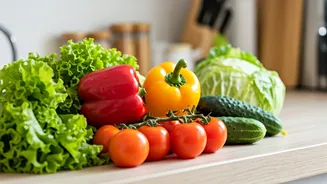
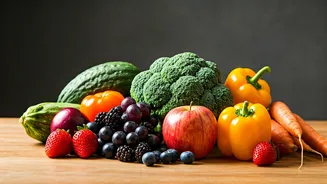
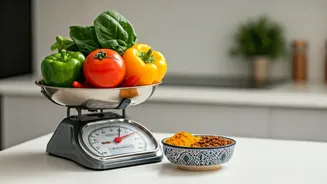
always necessary for tasty and wholesome food. A key element is focusing on fresh, unprocessed ingredients whenever feasible. Think vibrant vegetables, lean proteins, and whole grains, which form the building blocks of any nutritious meal. Furthermore, embracing portion control is vital; it prevents overeating and supports healthy weight management. This also includes understanding that good eating habits involve mindful eating – paying attention to your body's hunger and fullness cues instead of eating on autopilot. It also encompasses planning ahead, whether through meal prepping a few times a week or keeping a stocked pantry with healthy snack options to avoid unhealthy cravings. Lastly, it emphasizes balance: including a variety of foods from all food groups to ensure you receive a comprehensive range of nutrients, which sustains your body and boosts overall well-being. By adopting these principles, the journey towards enjoying good food without complexity becomes more achievable.
Master Meal Planning
Meal planning is a powerful tool to simplify healthy eating, and it starts with a little organization. Take some time at the beginning of the week to brainstorm meal ideas. Consider your schedule and choose recipes that fit into your busy life. When choosing recipes, select ones with a combination of simplicity and nutrition. Look for recipes that require minimal prep time and ingredients, and use the ingredients from your favorite recipes. Once the meals are decided, create a detailed shopping list. Then, on a designated day, head to the grocery store with your list and gather all the ingredients you need for your meals. A well-organized shopping list prevents impulse purchases and makes the shopping trip much more efficient. Don't forget about leftovers; incorporate them into your meal plan for quick lunches or dinners. This way, meal planning doesn't become a chore. In fact, it's a strategic way to make the entire process more manageable.
Prep Smarter, Not Harder
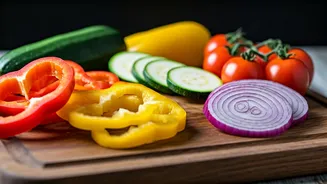
Efficient food preparation is an essential part of the 'Eating Well Made Easy' approach, and it doesn't always demand extensive time commitments. A straightforward method involves dedicating an hour or two each week to prepare components of your meals. For instance, chopping vegetables, cooking grains, and portioning proteins can be done in advance. This approach significantly reduces the time spent on weekday cooking. Another smart strategy involves utilizing your freezer. Freezing leftovers, cooked beans, or even pre-portioned ingredients is a practical means to have healthy options ready to go when you are busy. Another useful tip includes keeping staples ready at all times. This can be pre-washed and cut vegetables, such as salad greens, carrots, and celery, which can be stored in the refrigerator, ready to use as a quick snack or a last-minute addition to a meal. Consider using a slow cooker or a pressure cooker to speed up the cooking process. Both appliances are great for hands-off cooking and are perfect for busy weeknights when you want a home-cooked meal.
Quick & Easy Recipes
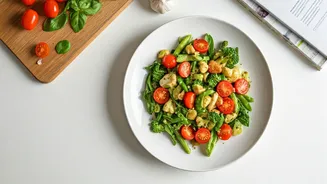
The path to eating well, made easy, is paved with simple recipes that require minimal time and effort. For example, consider a quick stir-fry using pre-cut vegetables, your favorite protein (chicken, tofu, or shrimp), and a flavorful sauce. This meal can be ready in under 30 minutes and is a great option for a fast weeknight dinner. Another option is a simple salad, but elevate it with ingredients such as grilled chicken, quinoa, or chickpeas to make it more filling. Another quick meal idea is a smoothie. You can blend fruits, vegetables, yogurt, and protein powder for a healthy and satisfying breakfast or snack. You might think about preparing one-pan meals. These meals require minimal cleanup and are cooked in one pan, which keeps things simple. Some examples include roasting vegetables with chicken or fish. The key is to select recipes that use fresh, readily available ingredients and prioritize simple cooking techniques, such as grilling, steaming, or sautéing, which minimizes both preparation time and the number of dishes you have to wash.
Smart Snack Strategies
Incorporating smart snacking strategies is essential for maintaining energy levels and avoiding unhealthy eating habits. The key is to have healthy snacks readily available. Keep easy-to-grab options like fresh fruits, vegetables with hummus, nuts, and yogurt in your pantry or fridge. Having these options at hand reduces the temptation to reach for processed snacks when hunger strikes. Mindful snacking involves paying attention to your body's hunger signals and consuming snacks in moderation. Aim for snacks that provide a good balance of nutrients, including protein, fiber, and healthy fats, to keep you feeling full and satisfied. Portioning your snacks is a great strategy to avoid overeating. Use small containers or pre-packaged portions to control the amount you consume. Plan your snacks in advance by incorporating them into your meal plan. Consider the timing and type of snack based on your daily activities and nutritional needs. For instance, if you have a mid-afternoon energy dip, a snack containing protein and fiber can provide a sustained energy boost.
Hydration's Vital Role
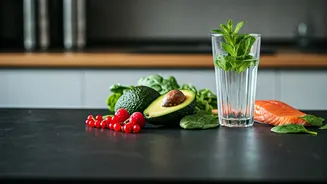
Staying hydrated is a critical component of eating well, made easy, often overlooked but foundational for overall health. Drinking enough water supports numerous bodily functions, from aiding digestion and nutrient absorption to regulating body temperature and maintaining healthy skin. Make it a practice to sip water throughout the day. Keep a water bottle with you and refill it regularly. Set reminders on your phone or computer to drink water at intervals. When you're busy, it's easy to forget to drink. If you find plain water boring, add flavors like slices of lemon, cucumber, or berries to enhance the taste and make it more appealing. Herbal teas, unsweetened fruit-infused water, and sparkling water are excellent alternatives. Avoid sugary drinks, which can lead to weight gain and hinder your eating habits. Make hydrating a natural part of your daily routine. By making a conscious effort to stay hydrated, you're boosting your health and supporting your path to eating well.