








Erythritol: What Is It?
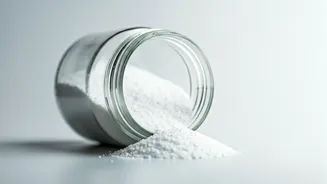
Erythritol is a sugar alcohol, often used as a sugar substitute in various food and beverage products, including diet drinks, protein bars, and desserts.
It's derived from natural sources, such as fruits, and is known for its low-calorie content and minimal impact on blood sugar levels. Because of these qualities, erythritol has become a popular choice for those looking to reduce their sugar intake or manage diabetes. However, it's essential to understand that despite being a naturally derived product, it may have effects that warrant consideration. The diabetologist's warnings highlight the need for a deeper understanding of its potential health implications, particularly when consumed regularly.
Diet Drinks and Concerns
Diet drinks, often marketed as a healthier alternative to sugary beverages, commonly contain erythritol as a sweetener. While the initial appeal lies in their calorie-free or low-calorie nature, concerns arise from the potential long-term effects of consuming these drinks regularly. One of the main worries stems from the possible impact on gut health. Erythritol, unlike other sugar alcohols, is mostly absorbed into the bloodstream. Yet, any excess can contribute to digestive issues for some individuals. The concern also extends to how erythritol may affect metabolism and the body's overall response to glucose. The diabetologist's warnings underscore the need to assess the wider implications of regular intake, especially regarding weight management and metabolic health, which is crucial for individuals with diabetes and those at risk.
Protein Bars and Erythritol
Protein bars have become a staple in the diets of fitness enthusiasts and those seeking convenient, high-protein snacks. Many of these bars use erythritol to enhance taste and texture. Yet, the diabetologist's caution applies here too. One significant aspect is portion control. People may consume multiple bars without considering the amount of erythritol they are ingesting. Additionally, the fiber and protein content in protein bars may vary, which can influence how erythritol is processed by the body. Another factor is the potential for these products to promote overeating or frequent snacking, which could counteract the benefits of a balanced diet. The expert's recommendation is to be mindful of the overall composition of these bars and the overall diet, keeping in mind that erythritol is still present and could affect some individuals.
Desserts and Daily Consumption
The popularity of erythritol extends to desserts, where it's used as a sugar substitute in cakes, cookies, and other sweet treats. While these products may appeal to those watching their sugar intake, the diabetologist's warning suggests it's crucial to approach them with prudence, especially if consumed regularly. The concern is not only about the amount of erythritol itself but also about the potential for these foods to foster unhealthy eating habits. Frequent consumption of desserts, even if sugar-free, might increase the likelihood of overeating and promote a preference for sweets. This could undermine the goal of weight management and overall health improvement. A critical approach, taking into account the broader dietary pattern and the individual's health status, remains critical.
Making Informed Choices
To make informed choices, it's essential to understand the potential effects of erythritol. While it may offer a low-calorie alternative to sugar, it's not without potential health impacts, particularly in some people. The diabetologist recommends careful consideration of products with erythritol, like diet drinks, protein bars, and desserts, and their contribution to your overall diet. Reading labels carefully to understand the exact erythritol content in each serving is advised, along with the other ingredients in the product. It's also important to be aware of the daily recommended intake and its effects on your health, which varies from individual to individual. For those with diabetes or other health concerns, consulting a healthcare professional is crucial. Balancing dietary choices with exercise, and overall healthy lifestyle habits are also important.