



Millets Aren't Magic
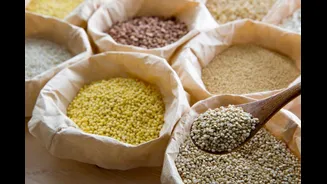
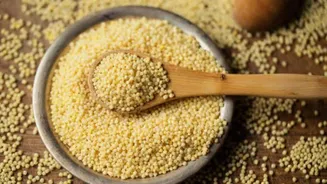
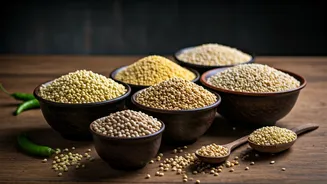
While millets like bajra, jowar, and ragi are packed with fibre, protein, and essential minerals such as iron and magnesium, they are still a source of
carbohydrates. Enthusiastically replacing all other grains with millets without considering portion sizes can inadvertently increase calorie intake, potentially hindering weight management goals. It's vital to remember that millets are a component of a balanced diet, not a standalone solution. Over-reliance on a single grain, even a healthy one, is generally discouraged by nutrition experts who advocate for dietary variety. The notion that millets possess magical properties that can negate an otherwise unbalanced eating pattern is a misconception. They contribute positively to health when integrated thoughtfully, but cannot compensate for poor dietary choices.
Processed Millet Pitfalls
The healthy perception of millets can be misleading when it comes to processed products. Many commercially available millet-based snacks, such as cookies, chips, and breakfast mixes, undergo extensive processing. This often involves the addition of significant amounts of salt, sugar, and unhealthy fats to enhance flavour and shelf-life. Consequently, a so-called 'healthy' millet biscuit is, in essence, still a biscuit, potentially offering little nutritional advantage over its refined counterparts. Consumers might unknowingly be consuming more marketing hype than genuine nutritional benefits if their primary source of millets comes from packaged goods rather than home preparation.
Cooking Matters Significantly
The nutritional value and digestibility of millets are significantly influenced by their preparation methods. Naturally occurring compounds known as anti-nutrients, such as phytates, are present in millets and can impede the absorption of minerals like iron and zinc. Fortunately, traditional culinary techniques effectively mitigate these compounds. Soaking, fermenting, sprouting, and thorough cooking are traditional methods that substantially reduce anti-nutrients, thereby enhancing the bioavailability of essential minerals. The way millets are prepared is as crucial as their inclusion in the diet for unlocking their full nutritional potential and ensuring optimal nutrient uptake by the body.
Individual Responses Vary
While millets offer widespread health benefits, individual responses can differ. Some millet varieties contain goitrogens, compounds that, in excessive quantities, might interfere with iodine absorption, a concern for individuals with thyroid conditions. It's advisable for those with pre-existing thyroid issues to consult a healthcare professional or dietitian. Additionally, the high fibre content in millets can initially be challenging for some to digest, particularly if introduced too rapidly into the diet. A food perceived as healthy might still cause discomfort if the body isn't accustomed to it or if the digestive system is sensitive. Gradual introduction and proper preparation are key for smoother adaptation.
Context of Your Plate
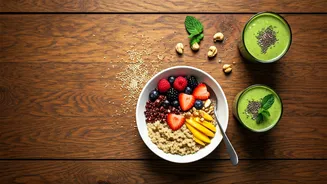
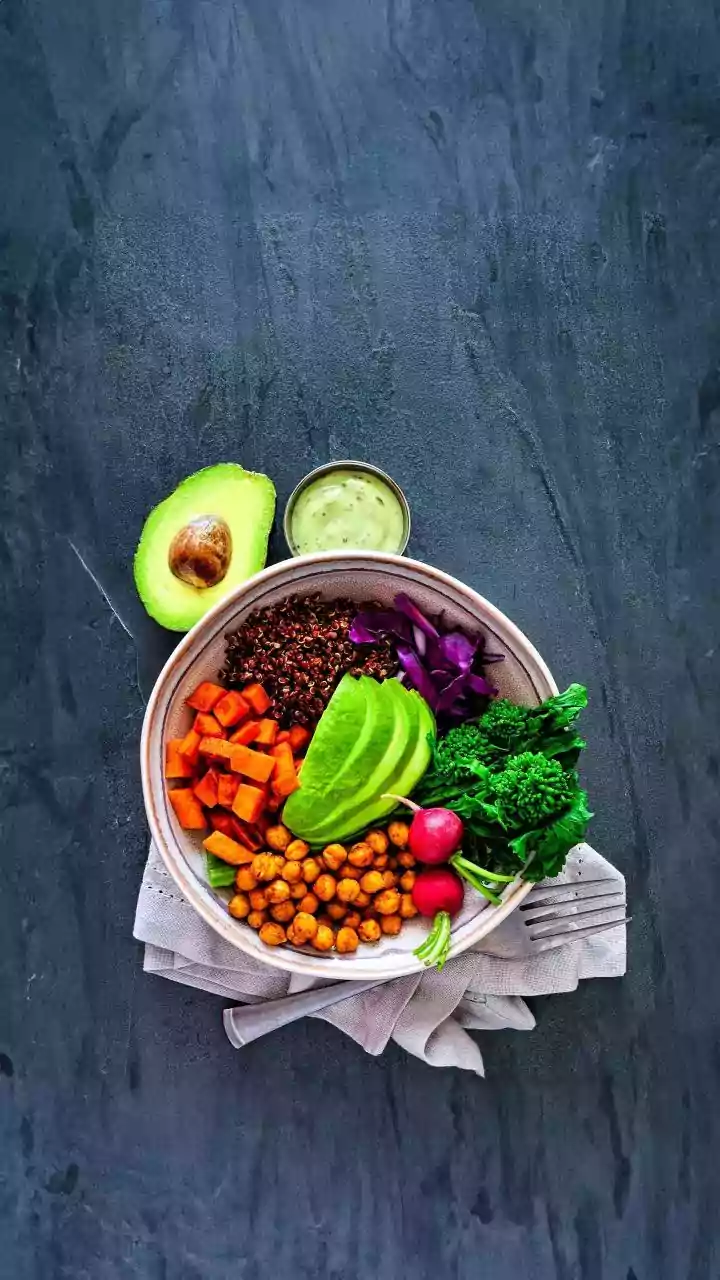
The impact of incorporating millets into your diet hinges on what they are replacing and the overall composition of your meals. Swapping refined grains like white rice for millet can certainly boost fibre intake and offer nutritional advantages. However, simply substituting a balanced meal with a plain millet dish might not lead to the desired health improvements. Optimal health outcomes are achieved through a holistic approach that considers the entire meal, including adequate protein, abundant vegetables, healthy fats, sufficient hydration, and mindful portion control. Millets can significantly enhance a diet, but they are not capable of constructing a healthy eating pattern on their own; they work best as part of a well-rounded nutritional strategy.