





The Power Trio
The foundation of this breakfast powerhouse lies in its simplicity and the synergistic benefits of its core components: oats, bananas, and a protein source.
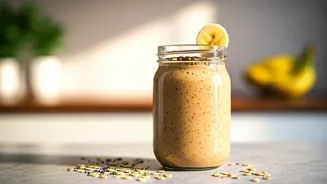
Oats, rich in soluble fiber like beta-glucan, are celebrated for their ability to promote sustained energy release, keeping you satiated for longer periods and contributing positively to gut health while stabilizing blood sugar levels. They also offer a substantial protein count, making them a staple for a filling breakfast. Bananas complement oats by providing natural sweetness, essential potassium, and easily accessible carbohydrates for an immediate energy boost, particularly beneficial for morning alertness. Freezing bananas enhances the smoothie's texture, making it thicker and colder without dilution from ice. Combined, oats and bananas create a harmonious blend of immediate and enduring energy, setting the stage for a productive day.
Boosting Protein Content
While oats and bananas offer a nutritious base, augmenting the protein count is key to transforming this smoothie into a complete meal replacement. Indian kitchens readily accommodate options like thick curd or Greek yogurt, which contribute significantly to protein intake. Regular curd typically provides 8-10 grams of protein per cup, while the more concentrated Greek yogurt can offer 15-17 grams, both adding a pleasant tanginess that balances the banana's sweetness. For a protein-rich, homemade option, straining regular yogurt to create hung curd is an effective method. Peanut butter is another excellent addition, contributing 7-8 grams of protein per two tablespoons, along with healthy fats that further enhance satiety and a delightful nutty flavor. Opting for natural peanut butter, with minimal ingredients, is recommended. Even milk, whether dairy or plant-based like soy, adds to the protein count, with full-fat dairy milk and soy milk being particularly good sources. For those with higher protein needs, such as athletes, incorporating half a scoop of whey protein powder can elevate the total protein content to over 25 grams, making it an ideal post-workout recovery drink.
Mastering Texture & Flavor
Achieving the perfect smoothie consistency and taste involves a few thoughtful steps. Soaking rolled oats, ideally overnight in milk or curd, significantly refines the texture. This pre-soaking process partially breaks down the oats, preventing any grittiness, especially with less powerful blenders, and results in a noticeably smoother, creamier consistency. While instant oats blend more easily, rolled oats are preferred for their superior nutritional profile, retaining more fiber and having a lower glycemic index, which aligns with the smoothie's goal of slow energy release. Adding a pinch of cinnamon, though seemingly minor, imparts a warm, subtle spice that elevates the overall flavor, making the smoothie more complex and enjoyable. It also offers potential benefits for blood sugar regulation. Freezing ripe bananas is crucial for achieving a thick, cold, and creamy texture without watering down the flavor with ice cubes. Using thick curd, rather than watery varieties, is also essential for maintaining the smoothie's body and richness.
Creative Flavor Variations
Once the base recipe is mastered, the possibilities for customization are vast, allowing you to tailor the smoothie to your preferences and what's available. For a decadent yet healthy twist, try the chocolate version by adding a tablespoon of unsweetened cocoa powder and a touch more sweetener; this variation is also great for engaging children. Adding instant coffee powder transforms it into a mocha, perfect for a combined caffeine and breakfast fix. If you're craving something tropical, the Mango Lassi Smoothie replaces half the banana with frozen mango, uses full-fat curd, and incorporates a hint of cardamom, creating a refreshing beverage reminiscent of the traditional Indian drink. For an extra nutritional punch, the Seed-Boosted Version includes chia seeds and pumpkin or sunflower seeds, adding protein, omega-3 fatty acids, and thickening the smoothie further. The Post-Workout Version is designed for recovery, with increased peanut butter and added whey protein to maximize protein intake. Finally, the No-Dairy Version offers a plant-based alternative by substituting dairy with coconut or soy yogurt and plant-based milk, providing a lighter yet still satisfying option.