





Recognizing Mild Breakouts
The summer heat often brings increased sweat and oil production, which can initially lead to minor skin irritations. In the first stage of acne, you might
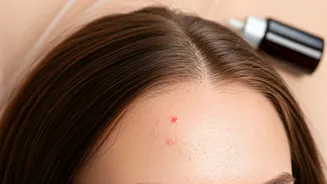
notice small, non-inflammatory blemishes like whiteheads and blackheads, particularly on areas like the forehead and nose. These are typically a result of pores becoming blocked by sweat and oil. At this point, simple at-home care, such as cleansing your face twice daily with a product containing salicylic acid and avoiding heavy, pore-clogging creams, is usually sufficient. However, if your skin barrier is compromised, these minor bumps can escalate into red, tender, and inflamed pimples. To manage this progression, incorporating products with niacinamide and using spot treatments with benzoyl peroxide can be beneficial in restoring skin balance and calming inflammation.
Addressing Severe Acne
When acne progresses beyond superficial blemishes, it enters a more severe inflammatory phase. This stage is characterized by the development of painful, deep-seated cysts and nodules, often appearing along the jawline. These lesions are significantly swollen and can cause considerable discomfort. It's critical to seek professional dermatological advice when your acne reaches this level, as these severe forms have a higher propensity to cause lasting damage to the skin. Untreated, these deep breakouts can lead to prominent and permanent scars, potentially causing significant aesthetic and emotional distress. A dermatologist can offer a tailored treatment plan, which may include prescription-strength topical creams, oral antibiotics to combat infection, professional chemical peeling sessions to improve skin texture, and sometimes hormonal assessments to identify underlying causes.
Understanding Hormonal Acne
The third category of acne deals with breakouts that are closely linked to internal bodily changes, particularly hormonal fluctuations. This type of acne commonly appears around the chin and jawline and can manifest as recurring cystic acne or adult acne that persists. Often, these breakouts are exacerbated by factors such as menstrual cycles, underlying conditions like PCOS (Polycystic Ovary Syndrome), disrupted sleep patterns, or significant stress. Recognizing these patterns is key to seeking the right help. A dermatologist can conduct specific hormonal tests to pinpoint the source of the imbalance. Treatment strategies often involve a combination of lifestyle modifications, such as improving sleep hygiene and stress management techniques, along with oral medications and potent prescription retinoids, which are highly effective in regulating skin cell turnover and reducing inflammation.
Preventive Summer Skincare
To proactively combat the summer acne surge, adopting a mindful skincare routine is paramount. Opt for lightweight, non-comedogenic products, such as oil-free sunscreens and gel-based moisturizers, to avoid suffocating your pores. Sunscreen is non-negotiable; its UV protection is vital for preventing acne marks from darkening and for mitigating post-inflammatory hyperpigmentation. It's also essential to wash off sweat promptly after exercise or exposure to the heat, as prolonged contact with perspiration can lead to clogged pores. Maintaining cleanliness extends to your environment, so cleaning pillowcases twice weekly during the summer months helps reduce bacterial transfer. During this season, it's wise to be judicious with harsh exfoliants and strong acid treatments, as they can sensitize the skin and disrupt its natural barrier. Staying adequately hydrated by drinking plenty of water also supports overall skin health and resilience.