

Painting Over Brick
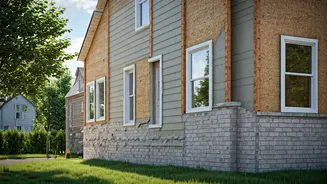
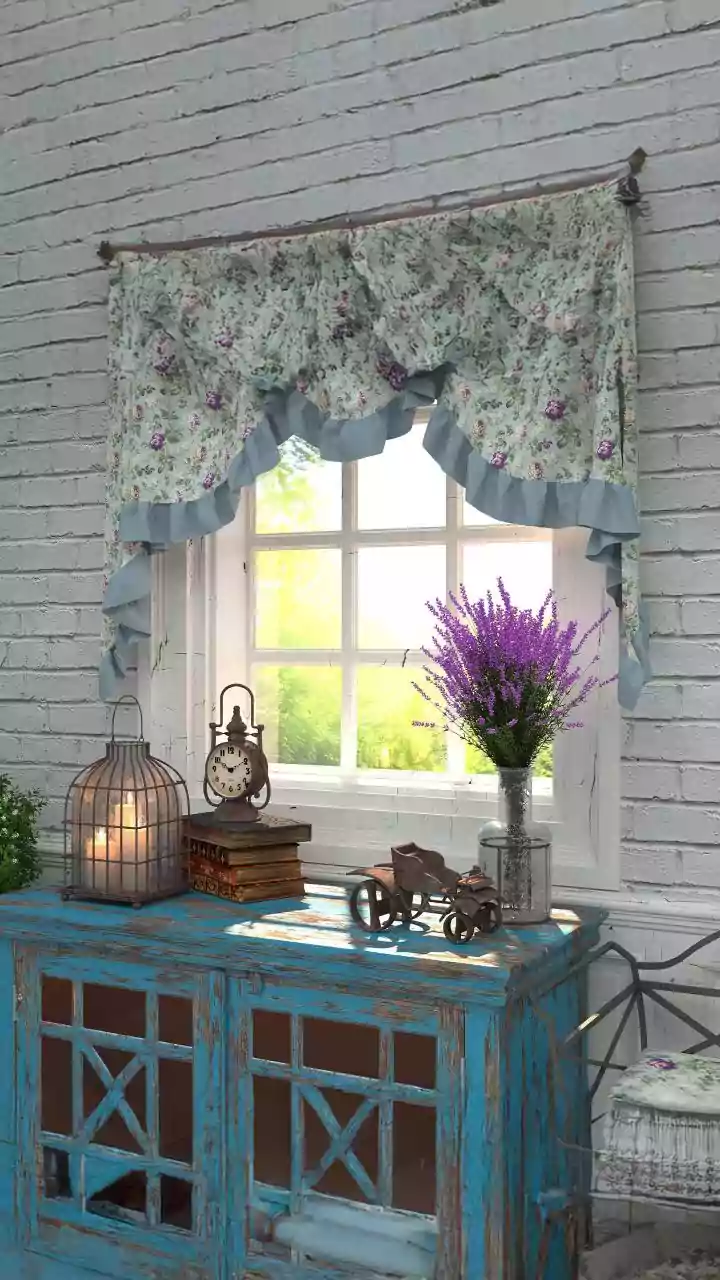
While painting brick can offer a rapid aesthetic transformation, it's a renovation experts strongly advise against. This process traps moisture within
the brick, hindering its natural ability to 'breathe.' Over time, this trapped moisture can lead to significant structural issues, including cracking and deterioration, requiring constant upkeep. Unpainted brick, on the other hand, naturally weathers the elements with grace and requires far less maintenance. If painting is absolutely essential, meticulous surface preparation is paramount to mitigate potential damage and ensure a more durable finish that still demands frequent repainting.
Improper Paint Prep
The most common culprits behind exterior paint failures aren't the products themselves, but rather the hasty or inadequate preparation of the surfaces. Harsh weather conditions, characterized by intense sun, extreme temperature fluctuations, and hail, will quickly expose any shortcuts taken during the painting process. To ensure longevity and resilience, it's crucial to meticulously sand surfaces, conduct thorough moisture checks, and address any substrate-specific imperfections before applying any paint. This diligent prep work is vital for paint to adhere properly and withstand the relentless assault of the elements.
Trendy Over Traditional
Forcing highly contemporary or fleeting trendy design choices onto homes with traditional architecture is a decision that often leads to long-term regret. Experts emphasize that successful exterior design should harmonize with the property's original architectural character rather than clash with it. What appears cutting-edge and visually striking today can quickly become dated and out of place within a decade. The guiding principle shared by many professionals is that clean, enduring aesthetics are far superior to busy, artificial-looking enhancements that lack timeless appeal.
Complex Roof Additions
Adding ornate rooflines or decorative rooftop features purely for aesthetic appeal can create significant long-term problems. Roof systems are complex, and introducing more angles, peaks, and valleys dramatically increases the number of seams and joints. A standard roof might have around 20 to 30 connection points, but a highly intricate design can exceed 80. Each of these extra connections presents a potential entry point for water, which can eventually infiltrate and damage interior ceilings. This complexity also escalates annual maintenance costs as these numerous details inevitably degrade over time.
Front Yard Water Features
While appealing initially, elaborate water features like koi ponds or decorative fountains can transform into significant maintenance burdens. These installations, especially those with pumps and shallow basins, readily collect dust and debris, demanding constant attention. Weekly maintenance is often the minimum requirement to keep them clean and functional. Professionals suggest redirecting funds that would be spent on such features towards enhancing the garden with layered plantings and subtle low-voltage lighting, creating a more sustainable and captivating landscape that complements nature.
Excessive Hardscaping
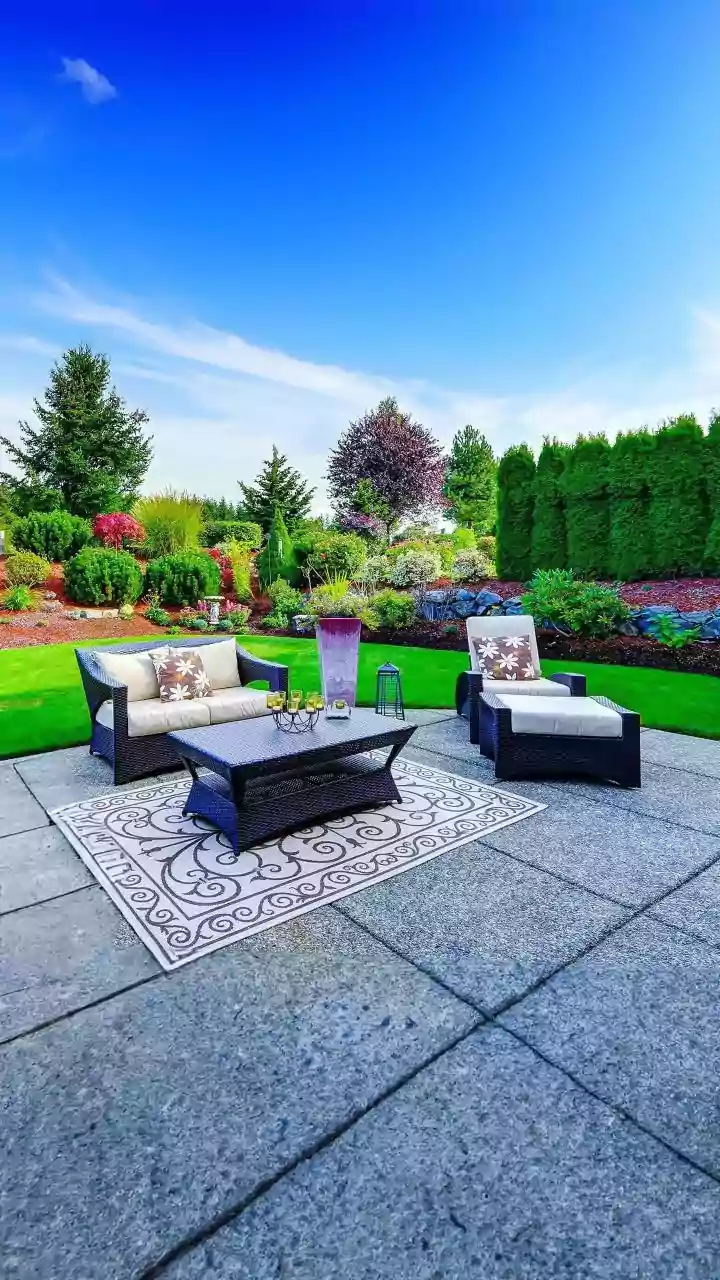
Covering a front yard predominantly with hardscape materials like concrete or pavers can negatively impact a home's appearance, comfort, and market value. While the appeal of low-maintenance yards is understandable, a property's appeal is significantly enhanced by having a balance, ideally 30% to 40% softscape. This green space provides visual relief for observers. Furthermore, an abundance of hardscaping can exacerbate heat buildup around the home and lead to drainage complications during heavy rainfall.
Quick Deck Stains
Opting for a quick-fix deck stain to revitalize a worn deck can be a tempting but ultimately flawed decision. Homeowners often prioritize the desired color over the actual condition of the wood and its exposure to the elements. Applying a low-quality stain over damp wood or rushing through the essential sanding process is a wasteful endeavor. A proper deck treatment requires careful consideration of the wood's state and its environmental exposure to ensure the finish lasts and provides adequate protection.