








Hygiene Crisis Uncovered
In a significant crackdown on food safety violations, Hyderabad authorities, specifically the Food Adulteration Surveillance Team (H-FAST) working alongside
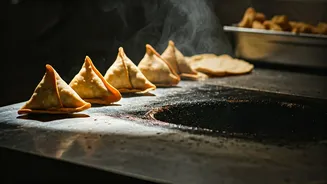
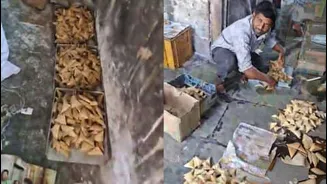
Kulsumpura Police, successfully dismantled a large-scale illegal operation dedicated to producing samosas. This raid, which took place on March 20, 2026, in the Jiyaguda area, revealed a manufacturing environment that was not only unlicensed but also shockingly deficient in basic sanitation. The unit, overseen by Abdul Rasheed, a 73-year-old individual, was found to be functioning without essential permits, including FSSAI, Trade, and Fire Safety clearances. This lack of regulation meant that oversight regarding the quality and safety of the food being produced was non-existent, creating a direct hazard for consumers who would have purchased these items, particularly given the widespread popularity of samosas as a fast-moving street food. The investigation highlighted a blatant disregard for established food safety protocols, which authorities indicated posed a serious threat to the well-being of the local population. The discovery served as a stark reminder of the importance of stringent food safety enforcement and consumer vigilance.
Contaminated Contents Revealed
During the thorough inspection of the illegal samosa manufacturing site, investigators made a disturbing discovery: the food preparation was actively utilizing ingredients that were well past their prime and of inferior quality. Specifically, the evidence pointed to the use of stale boiled eggs, which are a significant health risk when not properly handled and stored, and cooking oil that had been recycled multiple times. Reusing cooking oil excessively can lead to the formation of harmful compounds that are detrimental to health. These practices represent a severe breach of fundamental food safety standards. Officials emphasized that such methods are not only illegal but also carry the potential to cause severe gastrointestinal distress and other serious health complications for anyone who consumed the products. The deliberate use of substandard and contaminated materials underscores a complete disregard for consumer safety and ethical business practices by the operators of the unit, further solidifying the need for immediate intervention and closure of such establishments.
Seizure and Legal Action
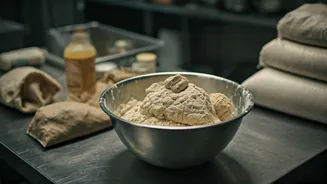
Following the discovery of the unsanitary conditions and the use of adulterated ingredients, the Task Force moved swiftly to confiscate all relevant materials and equipment. The seized items include a substantial quantity of samosas in various stages of preparation, along with key raw materials like maida (all-purpose flour) and sweet corn, and other miscellaneous ingredients. The machinery used in the food production process was also impounded. The total value of the confiscated adulterated food items, raw materials, and machinery is estimated to be around Rs 5 lakh. The authorities described the overall conditions within the manufacturing unit as "grossly unhygienic," falling far below any acceptable standard for food production facilities. The individual responsible for operating the unit, Abdul Rasheed, has been apprehended, and the authorities have initiated legal proceedings against him under the pertinent sections of food safety and public health legislation. This decisive action signals a strong stance against food adulteration and illegal manufacturing practices that endanger public health.