







Why Brush Hygiene Matters
Maintaining clean makeup brushes is not just about aesthetics; it's a critical component of skincare and makeup application. Dirty brushes harbor bacteria,
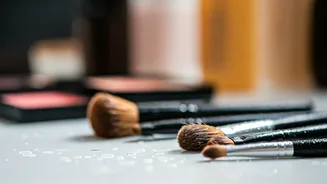
dead skin cells, and product buildup, all of which can lead to breakouts, skin irritation, and even infections. Regularly cleaning your brushes ensures a smoother, more even makeup application, as clean brushes pick up and deposit product more effectively. Moreover, clean brushes help to extend the lifespan of your makeup, as they prevent contamination of your products. Consistent cleaning is a small but powerful habit, offering a significant impact on your skin's health and the quality of your makeup results. Brushes should be cleaned according to their use and the frequency of makeup application, and the product being applied.
Brush Cleaning Frequency
The frequency with which you should wash your makeup brushes depends largely on how often you use them and the types of products they apply. Brushes used for liquid or cream products, such as foundation and concealer, should be washed at least once a week, if not more frequently, to prevent buildup and bacterial growth. Brushes used for powder products, like blush or eyeshadow, can be washed every two to three weeks. If you have sensitive skin or are prone to breakouts, consider washing your brushes more often. A simple visual inspection can also guide your cleaning schedule; if your brushes appear caked with product or look dirty, it's time for a wash. Regular cleaning is a preventative measure, protecting your skin and preserving the quality of your makeup tools, ensuring the best results.
Step-by-Step Cleaning Guide
Cleaning your makeup brushes is a straightforward process that you can easily do at home. First, gather your supplies: a gentle brush cleaner (or mild soap), lukewarm water, and a clean towel. Wet the brush bristles under running water, ensuring only the bristles get wet, avoiding the ferrule (the metal part) as much as possible. Dispense a small amount of the cleanser into your palm or a clean surface. Gently swirl the brush bristles in the cleanser, working the product from the base to the tip to remove makeup and debris. Rinse the bristles thoroughly under lukewarm water until the water runs clear. Gently squeeze excess water from the brush head and reshape the bristles. Lay the brushes flat on a clean towel or hang them upside down to dry, allowing them to air dry completely before use, ideally overnight.
Cleaning Mistakes To Avoid
While cleaning your makeup brushes is simple, certain mistakes can compromise their quality and your skin's health. One common error is using harsh cleansers, such as those containing alcohol, which can dry out the bristles and damage them. Avoid soaking the brush handles in water, as this can loosen the glue that holds the bristles to the handle. Another mistake is failing to rinse the brushes thoroughly, which can leave residue and affect makeup application. Additionally, improper drying techniques can lead to mold and mildew; always lay the brushes flat or hang them upside down to dry to prevent water from seeping into the ferrule and handle. Patience is key; always allow the brushes to dry completely before use to prevent any residue transferring to your skin.
Rinsing and Drying Properly
Proper rinsing and drying are vital steps in the brush cleaning process, affecting the lifespan and performance of your brushes. When rinsing, ensure all cleanser is removed from the bristles by running water through them until it runs clear. Avoid any remaining soap or makeup residue, as this can affect makeup application and potentially irritate the skin. After rinsing, gently squeeze the excess water out of the brush head. Avoid pulling or twisting the bristles, which can cause damage and shedding. Reshape the brush head to its original form after squeezing. The drying process is equally important; lay the brushes flat on a clean towel or, ideally, hang them upside down, allowing the water to drain away from the handle. Ensure the brushes are completely dry before use to prevent any moisture buildup that can harbor bacteria.