






Mindset Matters Most
Embarking on a journey often sparks a desire for freedom and indulgence, sometimes at odds with a disciplined fitness routine. However, maintaining your
health while traveling is entirely achievable with the right perspective. Think of fitness not as a chore, but as a foundational lifestyle that supports your adventures. Aim for a consistent baseline of 3-4 days of strength training, regular cardio, and daily activity, coupled with mindful attention to nutrition. If you've built a solid fitness habit over time, allow yourself the flexibility to enjoy your travels without guilt. True fitness becomes an integrated part of you, leading to naturally mindful travel. Conversely, if consistency has been a challenge, it's wise to establish discipline over a few months before planning extensive trips as an escape.
Strategic Travel Prep
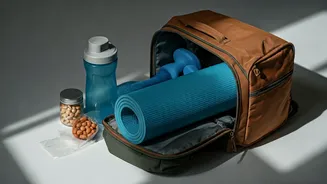
Effective preparation is key to navigating travel without sacrificing your fitness. A common pitfall is neglecting protein intake, which can be challenging to secure, especially in remote or less health-conscious locations. To counter this, pack portable protein sources like whey powder sachets or protein bars. These serve as convenient buffers against resorting to high-calorie, less nutritious snacks. Another invaluable travel companion is a set of resistance bands. These compact tools offer a surprisingly effective workout, mimicking gym sessions with minimal space requirements. If a gym is accessible, integrate it into your routine by performing full-body workouts, focusing on moderate intensity and shorter rest periods, and incorporating cardio. Remember, the goal of travel workouts is to maintain movement and aid recovery, not to set personal bests.
Movement is Exploration
Integrating physical activity into your travel experience transforms sightseeing into a fitness opportunity. Instead of succumbing to the allure of your hotel room, embrace the chance to explore your surroundings actively. Opt for invigorating morning walks along the beach, embark on scenic trail hikes, or conquer local hills. Choosing active exploration over passive comfort not only exposes you to new sights and cultures but also contributes significantly to your daily movement. This active engagement with your destination ensures you return not just with memories but also with a sense of accomplishment and well-being, fueled by the natural endorphins released through physical exertion.
Intermittent Fasting Tool
Intermittent fasting (IF) can serve as a strategic advantage when traveling, allowing for greater flexibility with evening meals. By delaying your first meal of the day, you can more comfortably enjoy dinners without the immediate concern of caloric surplus impacting your weight. This approach, however, is most effective when combined with consistent physical activity, as outlined in the exploration section. Sufficient movement helps maintain the energy balance necessary for IF to be a sustainable and beneficial strategy during your travels, ensuring you can enjoy local cuisine while still respecting your body's needs.
Hydration and Protein Focus
Prioritizing water intake and focusing on protein-rich foods are fundamental for sustained energy and satiety while traveling. Adequate hydration keeps you feeling revitalized and capable of engaging in activities throughout the day. Similarly, ensuring each meal includes a good source of protein—such as eggs, lean chicken, or paneer prepared with minimal oil—helps you feel fuller for longer, curbing unnecessary cravings. If access to these protein sources is limited, revisit your smart packing strategy for portable options. By consistently incorporating these basic, yet powerful, habits, you can maintain your energy levels and support your fitness goals effectively, even on the go.